
Decoding the SSC Scam: A Crisis of Trust for India’s Aspirants
The Staff Selection Commission (SSC) is a crucial gateway for millions of young Indians seeking government jobs. However, over the past several years, the commission has been at the center of a series of controversies and protests, collectively known as the “SSC Scam.” This isn’t a single, isolated event, but a recurring issue that has eroded the trust of aspirants and brought the integrity of the examination system into question.
What is the SSC Scam?
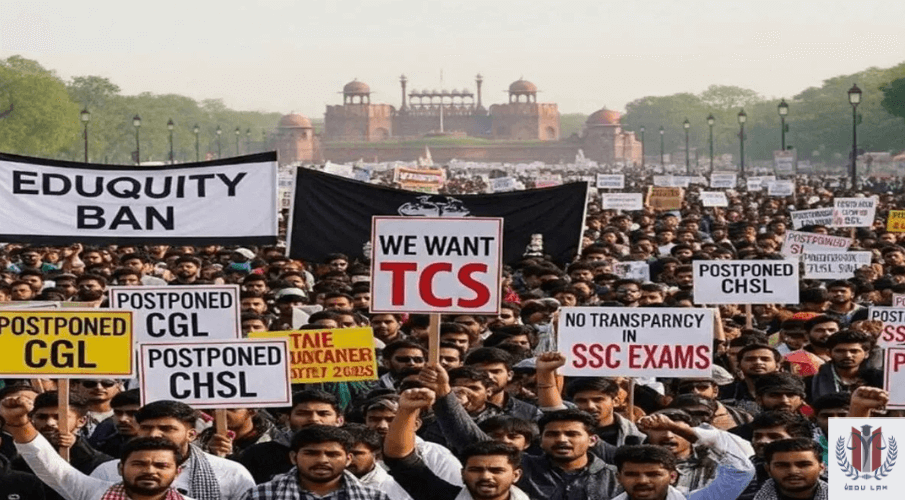
The term “SSC Scam” primarily refers to allegations of large-scale paper leaks, unfair assessments, and mismanagement in examinations conducted by the Staff Selection Commission. The issue first gained significant attention in 2018 when widespread protests erupted over an alleged paper leak in the SSC Combined Graduate Level (CGL) 2017 examination. Students took to the streets, demanding a CBI inquiry into the matter, which was eventually granted. The Supreme Court even stayed the results of the CGL and Combined Higher Secondary Level (CHSL) 2017 exams, stating that it could not permit people who benefited from the scam to get into government service.
While the 2018 protests were pivotal, the issues have continued to surface. The root of the problem often lies in the outsourcing of exam centers to private vendors, which has been criticized for leading to poor infrastructure, technical failures, and a lack of accountability.
The Protests of 2025: A New Wave of Discontent
In July and early August 2025, a new wave of protests broke out across the country. This time, the focus was on the SSC Selection Post Phase 13 recruitment exam. Aspirants and teachers gathered in New Delhi and other major cities to protest what they described as “mismanagement” and a “broken exam system.”
The main points of contention in the 2025 protests were:
- Technical Failures: Numerous complaints were made about server crashes, unresponsive computer systems, and abrupt cancellations of exams.
- Faulty Logistics: Students reported being assigned remote exam centers located hundreds of kilometers from their homes, creating logistical and financial burdens.
- Changes in Methodology: The SSC’s significant changes to the medium and methodology of the examinations reportedly caused widespread confusion and dissatisfaction.
- Police Intervention: The protests in Delhi escalated when police intervened, allegedly resorting to lathi charge to disperse the crowd. This resulted in injuries and detentions of several students and teachers, including some well-known educators.
The Impact on Aspirants
For the millions of students who dedicate years of their lives to preparing for these competitive exams, the recurring scams and mismanagement are devastating. It creates an environment of uncertainty and frustration, where hard work and merit are often overshadowed by corruption and administrative failures. These incidents not only delay the recruitment process but also shatter the dreams of countless young people, leading to widespread disillusionment and a crisis of faith in public institutions.
A Demand for Reform
The student protests have consistently called for greater transparency, accountability, and a complete overhaul of the examination process. Demands include:
- A transparent and fair vendor selection process.
- The establishment of a dedicated and efficient grievance redressal mechanism.
- Strict action against those responsible for mismanagement and corruption.
- A review of the recent changes in exam methodology to ensure they are fair and beneficial to all candidates.
The SSC scam is a stark reminder of the challenges facing India’s education and employment system. It highlights the urgent need for comprehensive reforms to ensure that the process is not only efficient but also equitable and trustworthy, providing a level playing field for all aspirants.
About The Author