A Step-by-Step Guide to Planning Your First Solo Trip
The idea of a solo trip can be exhilarating, terrifying, and utterly liberating all at once. For many, it’s a dream – a chance to explore the world on their own terms, make new discoveries, and truly get to know themselves. But the jump from dreaming to doing often feels like a giant leap, especially when you’re planning your very first one.
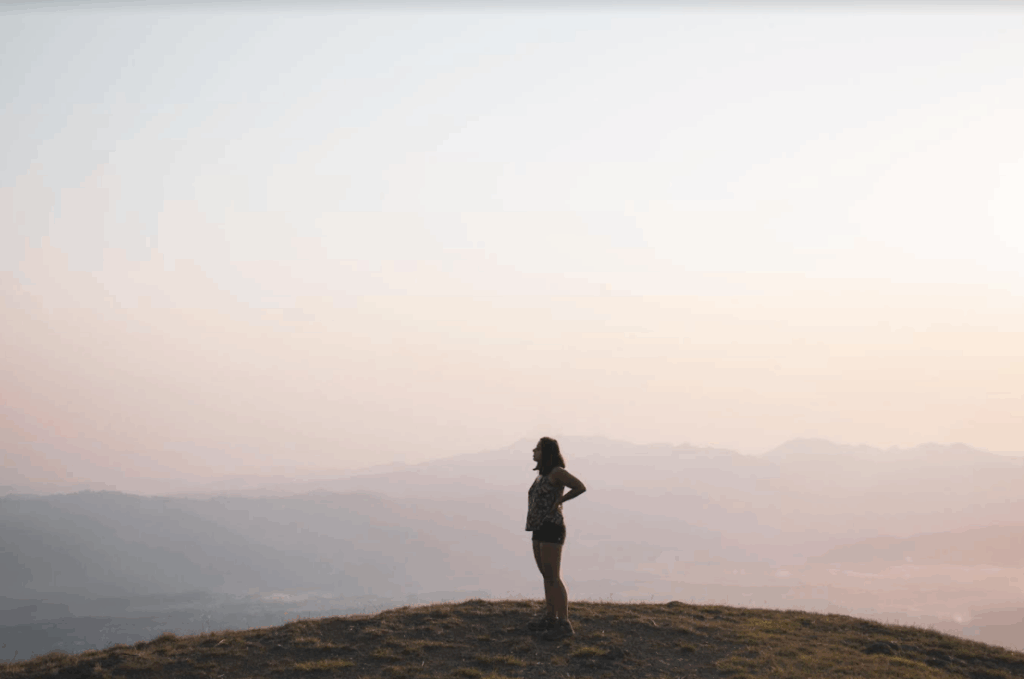
Fear not, intrepid adventurer! Planning a solo trip doesn’t have to be overwhelming. With a little foresight and a structured approach, you can turn that distant dream into a tangible itinerary. Here’s a step-by-step guide to help you plan your unforgettable first solo adventure.
Step 1: Choose Your Destination (and Your Vibe)
This is perhaps the most exciting part! Where do you envision yourself?
- Consider your comfort zone: For a first solo trip, you might want to pick a destination known for being safe and easy to navigate for solo travelers. Countries in Western Europe, parts of Southeast Asia, or even well-trodden routes in North America are often good starting points.
- Think about your interests: Do you crave bustling city life, serene nature, historical immersion, or a relaxing beach escape? If you love art, perhaps Florence. If you dream of hiking, maybe Patagonia.
- Research safety and logistics: Look into crime rates, transportation options, and the general ease of communication (language barriers). Websites like the U.S. State Department or your country’s equivalent offer travel advisories.
Pro-tip: Don’t feel pressured to go somewhere “exotic” for your first solo trip. A nearby city or even a different region within your own country can be an excellent way to dip your toes into solo travel.
Step 2: Set Your Budget (and Stick to It)
Money matters. Before you book anything, get a realistic idea of how much you’re willing (and able) to spend.
- Calculate daily expenses: Research typical costs for accommodation, food, transportation, activities, and a little extra for emergencies.
- Track your spending: Use a spreadsheet or a budgeting app to keep tabs on pre-trip expenses (flights, insurance) and daily spending while you’re away.
- Consider travel style: Are you a budget backpacker, a mid-range explorer, or do you prefer a touch of luxury? This will heavily influence your destination choices and accommodation.
Don’t forget to factor in travel insurance – it’s a non-negotiable for solo travelers!
Step 3: Book Your Flights & Accommodation
Once you have your destination and budget, it’s time to make it official!
- Flights: Be flexible with your dates if possible to snag the best deals. Use flight comparison websites like Google Flights, Skyscanner, or Kayak. Consider flying mid-week or during the off-season.
- Accommodation: This is key for solo travelers. Hostels (private rooms or female-only dorms are great for meeting people), boutique hotels, guesthouses, or even Airbnb (with good reviews) are all options. Read reviews specifically from solo travelers!
Pro-tip: Book your first night or two in advance. This takes the pressure off when you arrive, allowing you to settle in before exploring further options.
Step 4: Craft a Loose Itinerary (But Leave Room for Spontaneity)
While the beauty of solo travel is freedom, a basic plan provides structure and peace of mind.
- Identify must-sees: List the top 2-3 attractions or experiences you absolutely want to have.
- Map out transportation: How will you get between cities or regions? Trains, buses, or domestic flights?
- Research local activities: Look for walking tours, cooking classes, or unique local experiences that might appeal to you.
Remember: This is a guide, not a rigid schedule. The best solo trips often involve unexpected detours and spontaneous decisions.
Step 5: Prepare for Safety & Emergencies
Being prepared means you can relax more during your trip.
- Share your itinerary: Let a trusted friend or family member know where you’re going and when you expect to check in.
- Copies of documents: Keep digital and physical copies of your passport, visa, insurance, and booking confirmations.
- Emergency contacts: Save local emergency numbers and your country’s embassy details in your phone.
- Stay aware: Be mindful of your surroundings, especially at night. Trust your gut feeling.
Step 6: Pack Smart & Light
Less is truly more when you’re the only one carrying your bags.
- Essentials only: Lay out everything you think you need, then put half of it back.
- Versatile clothing: Pack items that can be mixed and matched.
- Comfortable shoes: You’ll be doing a lot of walking!
- First-aid kit: Small but essential items like pain relievers, band-aids, and any personal medications.
Step 7: Embrace the Journey!
You’ve planned, you’ve packed, and now it’s time to go! Solo travel is an incredible opportunity for self-discovery, growth, and unforgettable memories. Don’t be afraid to strike up conversations, try new things, and step outside your comfort zone. This is your adventure, designed entirely by you.
So, where will your first solo journey take you? The world is waiting!
About The Author