
The Anatomy of a Hoax: How a Political Remark and Pop Culture Sparked a “Trump is Dead” Trend
WASHINGTON, D.C. – In an era where misinformation can go viral within minutes, a recent social media trend has demonstrated the potent and often volatile mix of political commentary, health concerns, and pop culture. The unverified phrase “Trump is dead” took over the social media platform X, formerly Twitter, fueled by a remark from Vice President J.D. Vance and a separate joke from The Simpsons creator Matt Groening.
The Vice President’s Remark and Public Scrutiny
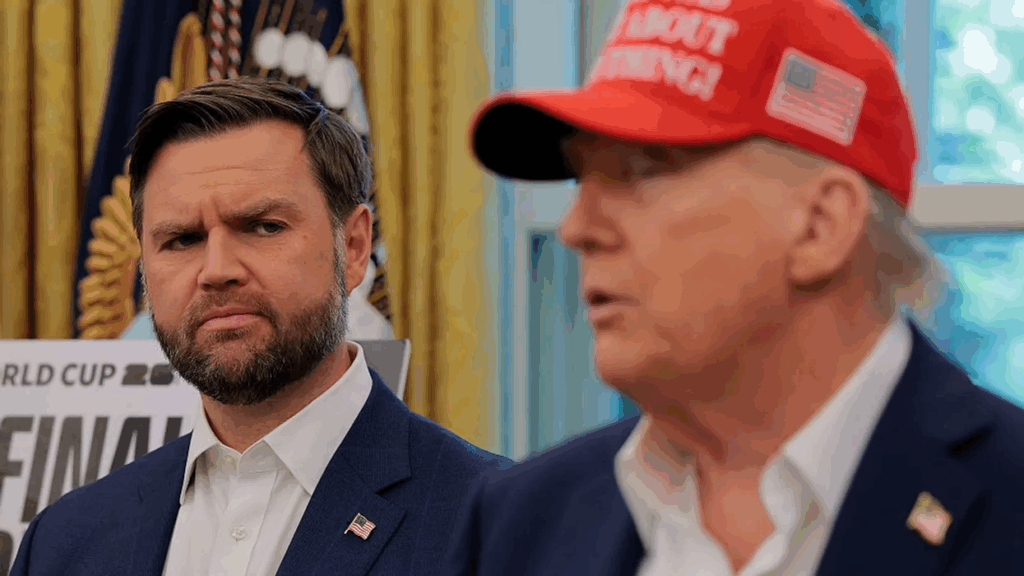
The viral trend gained momentum following an interview Vice President Vance gave to USA Today on August 27. When asked if he was prepared to assume the presidency should a “terrible tragedy” occur, Vance affirmed his readiness. While he also stressed that the 79-year-old President remains “incredibly good health” and “energetic,” the comments about a potential transfer of power ignited a flurry of speculation. The timing of Vance’s statement was particularly significant, as it came after a period of public scrutiny regarding President Trump’s health, including a recent diagnosis of chronic venous insufficiency and visible bruising on his hand.
The Simpsons and the Amplification of Rumors
Adding fuel to the online fire was a joke from Matt Groening, the creator of the long-running animated series The Simpsons. At a recent San Diego Comic-Con, Groening quipped that the show would continue “until somebody dies” and made a thinly veiled reference to a “you-know-who” whose death would be met with dancing that a future “President Vance” would then ban. Given the show’s history of eerily accurate coincidental predictions about Trump’s political career, the comment was quickly latched onto by social media users, many of whom are keen to connect the pop culture reference to real-world events.
The Dangers of Unverified Information
The “Trump is dead” trend, which quickly amassed tens of thousands of posts on X, highlights a recurring challenge for modern media and public discourse: the rapid spread of unverified information. Despite the lack of any official confirmation or credible reports from the White House, the online narrative took on a life of its own. While the trend has been dismissed by credible news organizations as unfounded speculation, it underscores how easily a narrative can be created and propagated in a digital environment where information is shared faster than it can be fact-checked.
About The Author