The Evolving US-India Trade Dynamic
NEW DELHI – A significant shift in diplomatic and economic relations between the United States and India has emerged with the recent implementation of a 50% tariff on certain Indian exports by the U.S. government. This move, which took effect recently, is a direct response to India’s continued procurement of discounted crude oil from Russia, a trade that the United States views as funding Moscow’s military actions in Ukraine.

The tariff imposition has sent ripples through the Indian export sector, with particular concern for labor-intensive industries such as textiles, gems, and jewelry. The decision highlights a growing divide between the two nations, despite previously strong diplomatic ties. The U.S. stance suggests a firm commitment to pressuring nations to comply with sanctions against Russia, even at the cost of strained relationships with key partners in the Global South.
India’s Response and Diplomatic Efforts
In the wake of this economic pressure, India has signaled a strategy of diversification to mitigate the impact. Indian commerce officials are reportedly encouraging exporters to explore new markets in China and the Middle East. Furthermore, diplomatic channels remain open. A former Indian foreign secretary expressed hope that the relationship between Prime Minister Narendra Modi and President Donald Trump, citing past engagements like the “Howdy Modi” and “Namaste Trump” events, could pave the way for a future free trade agreement that would resolve the current impasse. This perspective suggests that while economic leverage is being applied, there is a mutual interest in preserving the broader strategic partnership.
The Broader Geopolitical Context
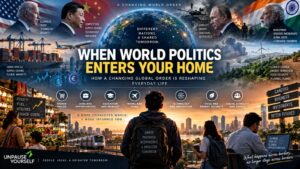
While the tariffs present a tangible challenge to India’s export economy, the long-term outcome remains uncertain. The situation underscores the complex balance between national economic interests, geopolitical alliances, and the evolving global order. Future negotiations and diplomatic efforts will determine whether this punitive measure becomes a long-term obstacle or a temporary hurdle on the path to a more comprehensive trade and strategic partnership.
About The Author