The Creative-Logical Tango: Can They Coexist?
We often think of creativity and logic as two different teams, forever locked in a mental tug-of-war. We’ve been taught to believe that creative people are a bit whimsical and disorganized, while logical thinkers are rigid and bound by rules. But what if this is a false dichotomy? What if the most brilliant innovations, the most impactful art, and the most elegant solutions are born from a beautiful collaboration between the two?
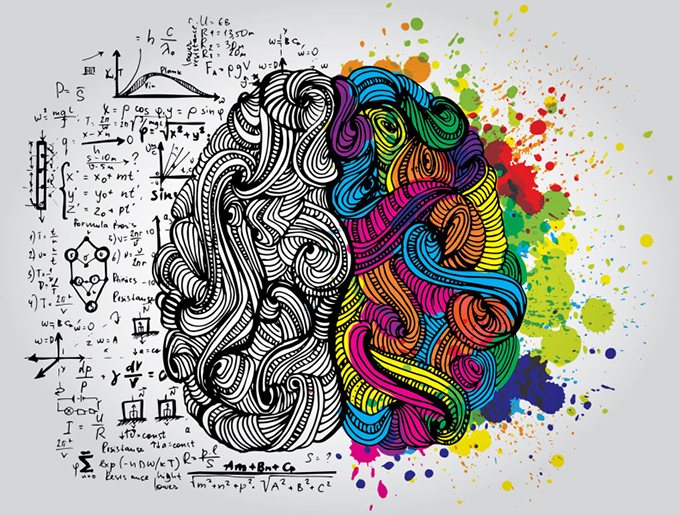
Think of it as a tango. Creativity leads, swirling with inspiration, “what-if” scenarios, and wild ideas. It’s the spontaneous flash of insight—the new melody that pops into your head, the unconventional marketing campaign idea, the brilliant architectural concept. But without a partner, the dance is just a series of random movements.
This is where logic steps in. Logic is the anchor, the rhythm, and the structure. It’s the analysis that turns a melody into a full symphony, the data that proves a marketing idea will work, and the physics that make a building stand. Logic takes the creative impulse and gives it form, purpose, and a path to execution. It transforms a whisper of an idea into a tangible, functional reality.
The Dynamic Duo in Action
Consider some of the world’s most enduring innovations. The Wright brothers had the creative idea that a flying machine could be controlled by manipulating its wings. This was a radical departure from the common belief that flight was purely a matter of power. But what made their invention a success was the relentless logical rigor they applied. They built a wind tunnel to test different wing shapes, meticulously documented their experiments, and used a systematic trial-and-error process. Their creative vision was only realized because of their logical approach.
Or think about a painter. The initial vision for a masterpiece is a creative act. But the logical application of color theory, perspective, and composition is what makes the final painting coherent and impactful. A chef might creatively combine unexpected ingredients, but it’s their logical understanding of chemistry and technique that ensures the dish is delicious, not just daring.
The Challenge of Balance
The real challenge isn’t choosing between creativity and logic, but learning how to let them work together. This means embracing the messiness of brainstorming sessions without fear of judgment, and then applying a critical eye to refine and improve the best ideas. It’s about moving from “What if?” to “How can we make that work?”
So, the next time you’re faced with a problem, don’t just lean on one side of your brain. Start with a creative spark, let your imagination run wild, and then bring in your logical partner to ground the idea in reality. The most beautiful dances, after all, are the ones where both partners move in harmony.
About The Author