NATO Defense Chiefs Convene on Ukraine’s Security Future Amidst Peace Talks Speculation
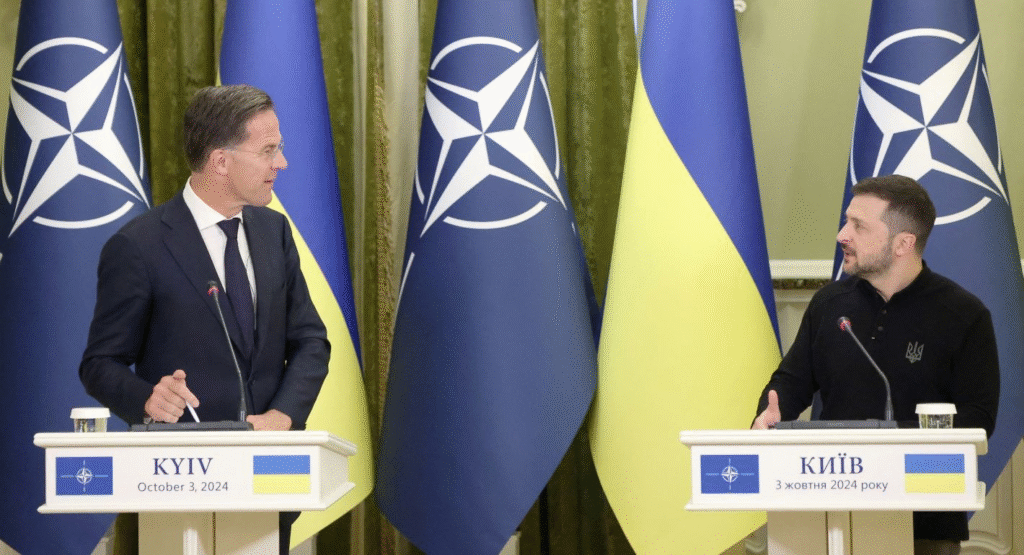
BRUSSELS – Top defense officials from NATO member countries are currently engaged in a critical virtual meeting today, focusing on the intricate issue of Ukraine’s long-term security guarantees. These high-level discussions come amidst increasing speculation regarding potential peace arrangements for the ongoing conflict in Ukraine, signaling a pivotal moment in international efforts to de-escalate tensions and secure stability in Eastern Europe.
The Alliance’s Enduring Commitment
The virtual gathering underscores the Alliance’s sustained commitment to Ukraine’s sovereignty and territorial integrity, even as diplomatic channels explore avenues for a cessation of hostilities. While the specifics of the security guarantees under consideration remain undisclosed, it is understood that the talks are exploring frameworks that would ensure Ukraine’s defense capabilities and deter future aggression, regardless of the outcome of any peace settlement.
Comprehensive Discussions on Security Architecture
Sources indicate that the discussions are comprehensive, delving into various aspects of defense cooperation, intelligence sharing, and potential military aid mechanisms that could form the bedrock of Ukraine’s post-conflict security architecture. The aim is to establish robust, long-term commitments that go beyond immediate wartime assistance and lay the groundwork for a more secure future for Ukraine.
Geopolitical Context and Diplomatic Avenues
The timing of this meeting is particularly significant. Reports circulating suggest that the White House is actively exploring Budapest as a potential venue for a trilateral meeting involving U.S. President Donald Trump, Russian President Vladimir Putin, and Ukrainian President Volodymyr Zelenskyy. Such a summit, if it materializes, would represent a major diplomatic push to broker a peace deal. However, the path to a comprehensive agreement remains fraught with challenges, including the fundamental question of territorial integrity and the future political status of occupied regions.
Navigating Complexities and External Statements
Furthermore, recent statements from key international actors highlight the complexities involved. While some nations, like Switzerland and Austria, have expressed willingness to host peace talks involving President Putin, even offering immunity from international arrest warrants, the broader implications of such gestures are still being weighed. Concurrently, President Trump has reiterated that the U.S. would not send troops to Ukraine to enforce any peace deal, though the possibility of U.S. air support remains on the table.
Shaping Future International Support
Today’s NATO defense chiefs’ meeting is thus a crucial step in aligning the Alliance’s strategic posture with the evolving diplomatic landscape. The outcomes of these discussions will likely shape the nature and extent of future international support for Ukraine, influencing both its immediate defense needs and its long-term stability in a post-conflict environment. The international community watches closely as these security guarantees are hammered out, hoping they pave the way for a lasting peace.
About The Author