Unwind and Learn: The Power of Podcasts and Audiobooks for Stress Relief
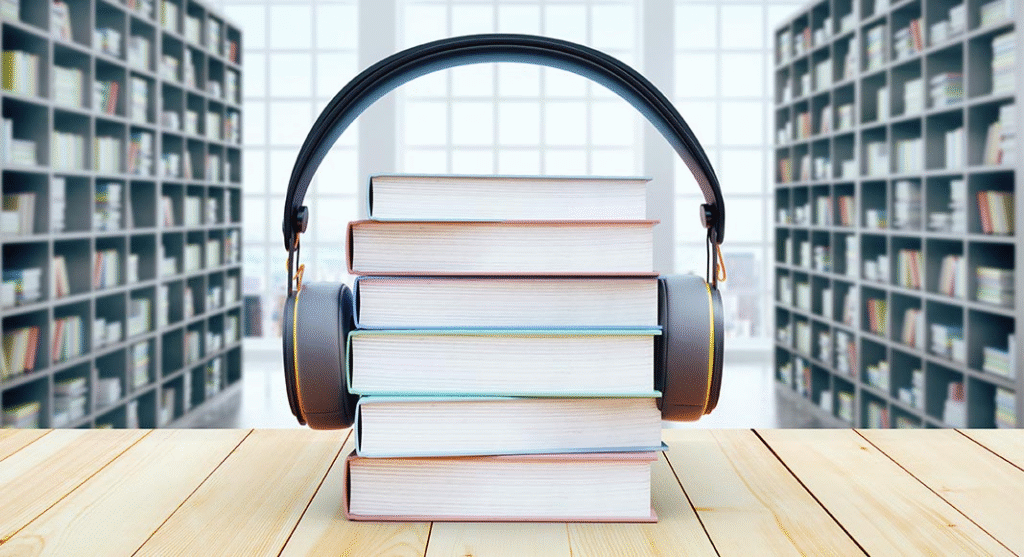
In our increasingly screen-dominated world, finding ways to relax and learn without adding to digital fatigue is a valuable skill, especially for those navigating demanding periods like exam preparation. While the allure of scrolling is strong, there’s a powerful and often overlooked alternative: the immersive world of podcasts and audiobooks. These auditory companions offer a unique blend of passive learning and entertainment, proving to be excellent tools for de-stressing and keeping your mind engaged without the visual strain.
The Mental Reset: How Audio Calms the Mind
One of the most significant benefits of podcasts and audiobooks is their ability to provide a mental reset. Unlike visual media that constantly demand your eyes’ attention, audio allows your mind to wander creatively while still absorbing information.
- Reduced Screen Time: Stepping away from screens (phones, laptops, textbooks) gives your eyes and brain a much-needed break from blue light and constant visual stimulation, which can contribute to eye strain and disrupted sleep patterns.
- Mindful Engagement: Listening can be a deeply immersive experience. A captivating story or an engaging discussion can effectively divert your thoughts from daily worries and study pressures, replacing negative thought patterns with something else entirely. This can lead to a more relaxed, refreshed, and focused state.
- Improved Focus and Imagination: Without visual cues, your brain actively works to create mental images and scenarios based on the narration. This unique exercise can enhance your active listening skills and stimulate your imagination, offering a different kind of mental workout than traditional reading.
Passive Learning: Knowledge on the Go
Podcasts and audiobooks aren’t just for relaxation; they are incredibly potent tools for passive learning, allowing you to absorb new information while performing other tasks.
- Multitasking Made Easy: Imagine learning about history, science, or a new skill while commuting, exercising, doing household chores, or even just resting your eyes. Audio content transforms otherwise mundane activities into productive learning opportunities, maximizing your time.
- Diverse Content at Your Fingertips: From in-depth analyses of complex subjects and expert interviews to storytelling and casual discussions, the range of topics available is vast. You can explore subjects that genuinely pique your interest, broadening your horizons beyond your core syllabus.
- Language and Comprehension Boost: For language learners, listening to native speakers in podcasts or audiobooks can significantly improve pronunciation, intonation, vocabulary, and overall comprehension by exposing you to natural language use.
Choosing Your Auditory Escape
To make the most of this de-stressing and learning strategy, consider exploring different genres and formats:
- For Relaxation: Look for podcasts with soothing voices, ambient sounds, or even guided meditations. “Nothing Much Happens: Bedtime Stories for Grown-ups” or “Sleepy” are popular choices for unwinding.
- For Passive Learning: Dive into educational podcasts like “TED Talks Daily” for bite-sized insights, “Radiolab” for fascinating scientific explorations, or “Stuff You Should Know” for a wide array of general knowledge. Audiobooks offer full-length narratives, allowing you to delve deep into fiction or non-fiction works that align with your interests.
- For Mental Well-being: Many audiobooks and podcasts specifically address mental health, offering coping strategies, mindfulness techniques, and relatable personal stories. Titles like “Why Has Nobody Told Me This Before?” or “Cleaning Up Your Mental Mess” provide valuable insights.
Incorporating podcasts and audiobooks into your routine is a smart way to manage stress, enhance your learning, and maintain a balanced lifestyle, especially when faced with demanding goals like government job exams. Give your eyes a break, plug in, and let the power of sound rejuvenate your mind.
About The Author