European Powers Reimpose Sweeping Sanctions on Iran Amid Escalating Tensions
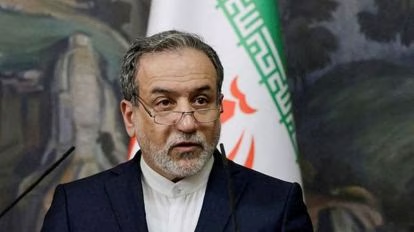
In a significant diplomatic and economic move, the United Kingdom, France, and Germany have confirmed the reinstatement of comprehensive sanctions against Iran. This decision marks a critical turning point in international relations with Tehran, signaling growing frustration and concern over its nuclear program and regional activities. The re-imposition of these punitive measures underscores a united European front aimed at pressuring Iran back into compliance with international agreements and de-escalating burgeoning tensions.
The Road to Re-Imposition
The European powers’ decision comes after months of diplomatic efforts to salvage the Joint Comprehensive Plan of Action (JCPOA), commonly known as the Iran nuclear deal. Following the United States’ withdrawal from the agreement in 2018 and its subsequent “maximum pressure” campaign, Iran has progressively rolled back its commitments under the deal. Reports from international atomic energy watchdogs have indicated Iran’s increased uranium enrichment activities and restricted access for inspectors, raising alarms in European capitals. The UK, France, and Germany, while initially advocating for the preservation of the JCPOA, have now deemed Iran’s actions a clear breach, necessitating a strong response to prevent further nuclear proliferation.
Scope and Implications of the Sanctions
The returning sanctions are expected to be sweeping, targeting key sectors of the Iranian economy, including its oil exports, financial institutions, and specific individuals and entities linked to its nuclear and ballistic missile programs. The immediate economic impact on Iran is anticipated to be severe, potentially exacerbating existing challenges within the country’s economy, such as inflation and a weakening currency. For Europe, the move signifies a departure from a purely diplomatic approach and a willingness to align more closely with the tougher stance previously adopted by the United States. This coordinated action is intended to amplify pressure on Tehran, forcing a reconsideration of its current trajectory.
Geopolitical Ramifications and Future Outlook
The re-imposition of European sanctions carries significant geopolitical ramifications. It will undoubtedly deepen Iran’s isolation on the international stage and could further entrench hardline elements within its political landscape. The move also highlights a broader concern among Western allies about regional stability, particularly in the Middle East, where Iran’s influence is a contentious issue. While the immediate goal is to compel Iran back to the negotiating table, there are inherent risks of further escalation. The coming months will be crucial in observing Iran’s reaction to these renewed pressures and whether international diplomacy can find a new pathway to de-escalation and a resolution to the nuclear standoff. The unified stance of the UK, France, and Germany represents a concerted effort to assert international norms and prevent a further erosion of non-proliferation safeguards.
About The Author