
Katabasis: A Descent into the Underworld of Power and Grief
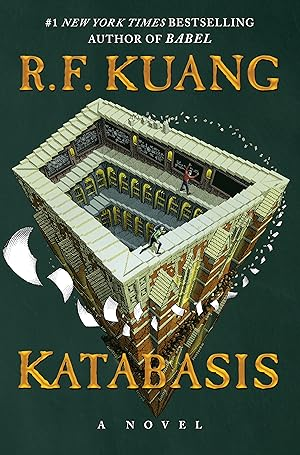
R.F. Kuang has cemented her place as a literary force, fearlessly tackling themes of power, identity, and the moral ambiguities inherent in their pursuit. In Katabasis, she once again plunges readers into a meticulously crafted world, delivering a narrative that is as intellectually stimulating as it is emotionally devastating. While Katabasis maintains Kuang’s signature sharp prose and unflinching gaze, it distinguishes itself through its intimate exploration of personal grief amidst grand, sweeping conflicts.
A Narrative of Descent
The term “katabasis,” an ancient Greek concept referring to a descent into the underworld, is not merely a title but the very blueprint of the novel. Kuang masterfully employs this mythological framework to chart not only a physical journey into perilous territories but, more profoundly, a psychological and emotional plunge into the depths of her protagonist’s psyche. The hero’s quest here is not solely for external victory, but for internal reconciliation with loss and the burdens of immense power. This dual-layered descent provides a rich tapestry against which the narrative unfolds, allowing for both epic scope and poignant intimacy.
The Weight of Grief and Power
Kuang has always excelled at portraying the corrosive effects of power, and Katabasis is no exception. However, what elevates this work is its nuanced depiction of grief as an equally potent, and often intertwined, destructive force. The protagonist’s journey is deeply informed by a profound personal loss, and Kuang expertly illustrates how this grief shapes decisions, warps perceptions, and ultimately fuels a relentless drive for retribution. The lines between justice and vengeance blur, creating a morally ambiguous landscape where every choice comes with a heavy toll. The novel avoids simplistic portrayals of good versus evil, instead immersing readers in the uncomfortable complexities of human motivation when faced with unimaginable suffering.
Kuang’s Unmistakable Voice
Fans of Kuang will find her distinctive voice ringing clear throughout Katabasis. Her prose is incisive and unsparing, capable of rendering brutal battle scenes with chilling precision while simultaneously delving into the most fragile corners of human emotion. She possesses a remarkable ability to build intricate, believable worlds that feel both fantastical and deeply rooted in socio-political realities. Her characters, though often flawed and morally compromised, are undeniably compelling, their struggles resonating long after the final page. The pacing is deliberate, building tension with a slow burn that culminates in explosive, cathartic moments.
A More Intimate Epic
Compared to some of Kuang’s earlier works that focused on broader societal upheavals, Katabasis feels more personal, more introspective. While the stakes are undoubtedly grand and the conflicts far-reaching, the narrative consistently returns to the protagonist’s internal landscape. This shift allows for a deeper exploration of individual trauma and its ripple effects, making the story intensely human despite its fantastical elements. It’s a testament to Kuang’s versatility that she can navigate both sweeping epics and more character-driven narratives with equal aplomb.
Final Verdict
Katabasis is another triumph for R.F. Kuang. It’s a challenging, thought-provoking, and often heartbreaking novel that demands much from its readers but rewards them with a profoundly resonant experience. Kuang continues to push the boundaries of fantasy, demonstrating that the genre can be a powerful vehicle for exploring complex ethical dilemmas and the enduring impact of human suffering. For those seeking a dark, intellectually stimulating, and emotionally charged read, Katabasis is an essential journey.
About The Author