Weapons: Cregger’s Bold, Divisive Follow-Up
⭐️⭐️⭐️⭐️ (4/5)
A Study in Controlled Chaos
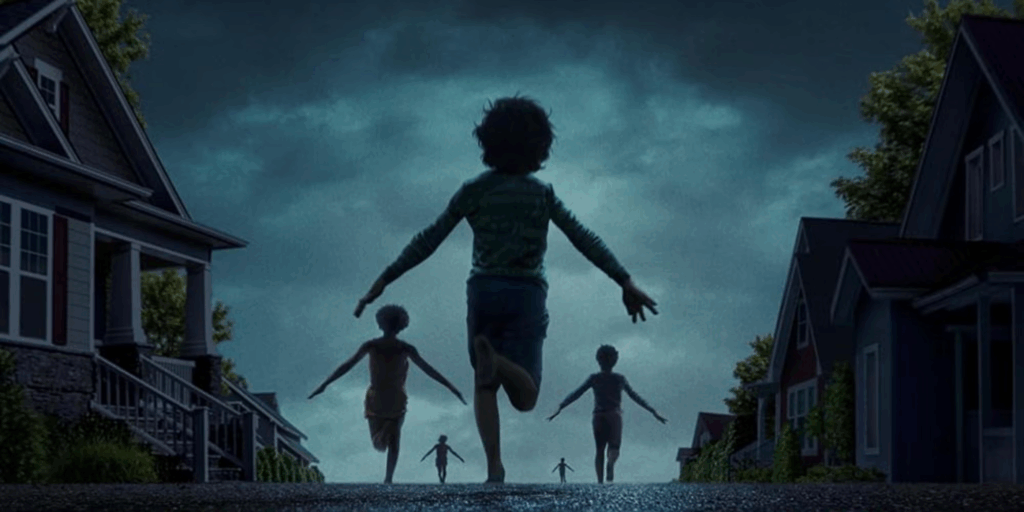
Zach Cregger, the director who shocked audiences with his breakout hit Barbarian, returns with Weapons, an ambitious and unnerving horror mystery that solidifies his place as a new voice in the genre. The film plunges the audience into the unsettling aftermath of a bizarre tragedy: the simultaneous disappearance of seventeen children from a single classroom. What follows is not a straightforward investigation but a fractured, non-linear descent into madness, told through the perspectives of a grieving teacher, a distraught father, and other townspeople searching for answers in a world that offers none. Cregger masterfully uses this splintered narrative to build a palpable sense of dread, making the absence of the children feel as profound as any on-screen terror.
Thematic Arsenal
The film’s title, Weapons, is its most provocative element and a source of significant thematic ambiguity. Cregger’s screenplay hints at larger societal horrors, drawing a chilling parallel between the inexplicable disappearance and America’s grim reality of school violence. However, the film resists becoming a straightforward allegory. It instead introduces a more fantastical, supernatural element that some critics found jarring, arguing that it undercuts the film’s initial gravitas. This deliberate refusal to “connect every dot” is either a stroke of genius or a narrative misstep, depending on the viewer. It’s a risk that pays off for those willing to embrace the absurdity, but may disappoint those seeking a neat, metaphorical explanation.
A Well-Crafted Machine
While the film’s narrative choices may divide audiences, its craftsmanship is undeniable. Julia Garner delivers a powerful and layered performance as the teacher unfairly scapegoated by her community, while Josh Brolin’s portrayal of a father consumed by grief is haunting. The film’s atmosphere is thick with unease, a testament to its unsettling sound design and cinematography. Cregger’s signature blend of genuine horror, situational humor, and unexpected twists is on full display, making Weapons a tense and unpredictable ride. It is a film that refuses to hold the audience’s hand, demanding active engagement with its complex structure and provocative ideas.
In conclusion, Weapons is a brilliant and challenging piece of filmmaking. It is a testament to Cregger’s confidence and willingness to experiment with the horror formula. While its central reveal may not land for everyone, the journey there is a gripping and memorable descent into a uniquely modern American nightmare. It is a film that will undoubtedly be discussed, debated, and dissected for years to come.
About The Author