
Ultraconservative Sanae Takaichi Elected Japan’s First Female Prime Minister Amid Coalition Turbulence and Immediate Crises
TOKYO – In a historic but politically fraught moment, Japan’s parliament has elected Sanae Takaichi as the nation’s first female Prime Minister. The ascent of the ultraconservative leader, a prominent protégé of the late Shinzo Abe, follows a last-minute coalition deal and places her immediately in the crosshairs of severe domestic economic challenges and a high-stakes diplomatic encounter with a visiting President Trump.
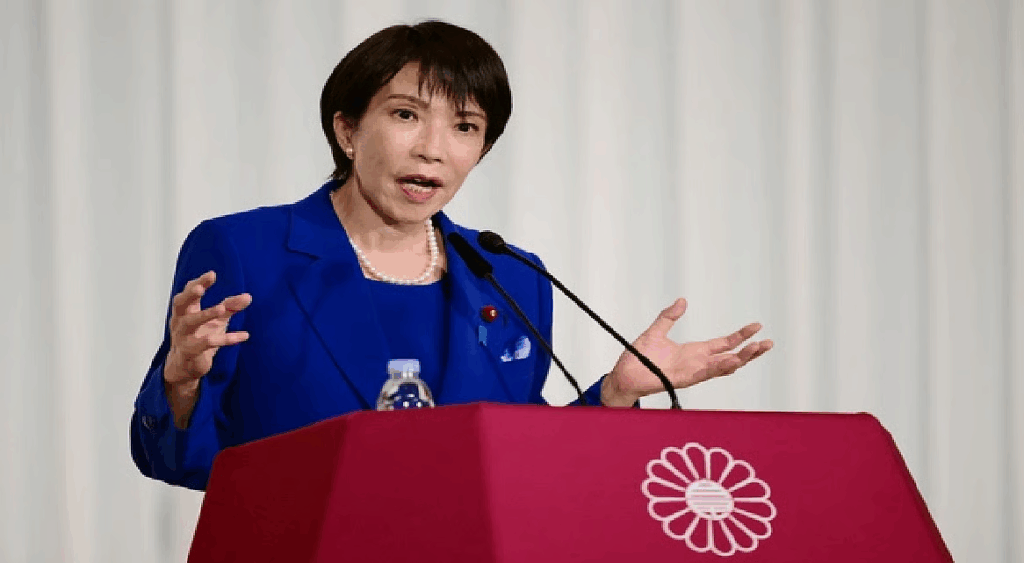
Takaichi, 64, secured the top post on Tuesday after her ruling Liberal Democratic Party (LDP) successfully forged an alliance with the right-wing Japan Innovation Party (Nippon Ishin). This new partnership became necessary after the LDP’s long-time, more moderate coalition ally, Komeito, dissolved the alliance, reportedly citing the LDP’s damaging funding scandals and Takaichi’s hardline political views.
Domestic Agenda: The Cost-of-Living Crisis
The new Prime Minister inherits a deeply challenging domestic landscape, where the primary concern is a persistent cost-of-living crisis. Inflationary pressures, driven in part by a weak Yen and rising global commodity prices, have eroded purchasing power, generating significant public frustration.
Takaichi’s economic platform, often likened to a continuation of “Abenomics,” calls for aggressive fiscal stimulus and maintaining an accommodative monetary policy, a stance that puts her at odds with the Bank of Japan’s gradual moves toward tightening. Her coalition agreement with Nippon Ishin includes proposals aimed at immediate consumer relief, such as the temporary suspension of the consumption tax on food and a focus on passing a supplementary budget to fund subsidies for gas and electricity.
However, the new government’s reliance on a fragile, inexperienced coalition means that passing legislation and delivering on economic promises will be an immediate test of her leadership.
Diplomatic Hurdles: Trump Visit and Regional Security
On the foreign policy front, Takaichi’s government faces an immediate, critical challenge: a scheduled visit by U.S. President Donald Trump. Takaichi, a strong proponent of the Japan-U.S. security alliance, is expected to seek cordial relations, following the example of her mentor, Abe. However, Trump is anticipated to pressure Japan to significantly increase its defense spending to meet NATO targets and potentially to renegotiate parts of existing trade and tariff agreements. Takaichi’s thin diplomatic experience will be keenly tested in these high-level negotiations.
Further complicating her foreign policy in-tray is her well-known ultranationalist and “China hawk” stance. Her positions include:
- Regional Tensions: Takaichi is a member of the ultranationalist lobby group Nippon Kaigi and has often visited the controversial Yasukuni Shrine. Such actions and her revisionist views on Japan’s wartime past have historically inflamed tensions with neighboring nations, particularly China and South Korea.
- Defense & Constitution: She advocates for greater defense spending and the revision of Article 9 of Japan’s post-war pacifist constitution, aiming to formalize and strengthen Japan’s military capabilities—a move strongly supported by the new coalition partner.
A Historic but Divisive Figure
Takaichi’s election as the first woman to lead Japan marks a powerful, symbolic crack in the nation’s entrenched, male-dominated political structure. Yet, her deeply socially conservative views prevent her win from being celebrated by many gender equality advocates. Takaichi opposes same-sex marriage, a revision to the law allowing separate surnames for married couples, and female succession to the Imperial Throne.
Often dubbed the “Iron Lady” of Japan in a nod to her admirer, Margaret Thatcher, Takaichi’s premiership signals a distinct move to the right for Japan’s governance. Her immediate future will depend on her ability to manage a tenuous coalition, deliver meaningful economic relief to a struggling populace, and navigate a complex, potentially volatile diplomatic path with both a critical ally and wary regional neighbors. Her tenure begins as a historic achievement shadowed by the daunting magnitude of the crises she now faces.
About The Author