
The “Lawnmower” Parent vs. the “Helicopter” Parent: A Guide to Navigating the Extremes of Modern Parenting Styles
In the complex landscape of modern parenting, two distinct styles have emerged as subjects of both popular conversation and academic study: the “helicopter” parent and the “lawnmower” parent. While both are driven by a deep desire to see their children succeed, they approach this goal with dramatically different, and often counterproductive, methods. Understanding these extremes is the first step toward finding a balanced approach that truly benefits a child’s development.
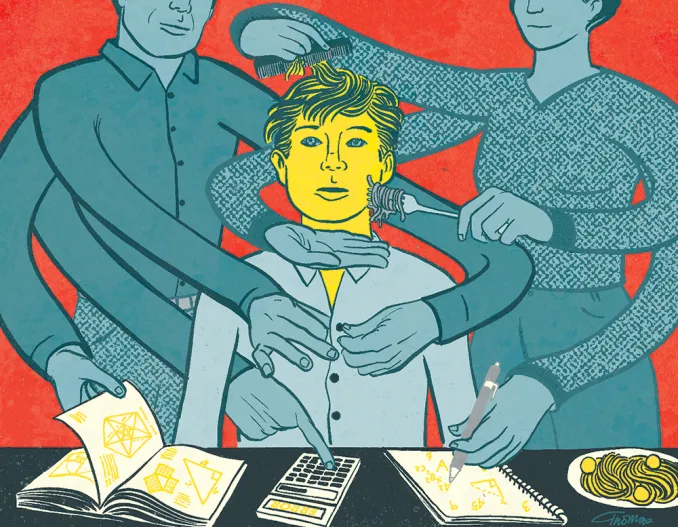
The Helicopter Parent: Hovering with Good Intentions
The term “helicopter parent” conjures an image of a parent constantly hovering over their child, ready to swoop in at the first sign of trouble. This behavior goes beyond typical parental concern; it involves an intense over-involvement in a child’s life, from micromanaging their schoolwork to intervening in their social conflicts.
While this style is often born from a place of love and anxiety, its effects can be detrimental. Children of helicopter parents may struggle to develop autonomy, resilience, and problem-solving skills. They may become overly dependent on their parents for guidance and validation, fearing failure and lacking the confidence to navigate challenges independently. In a world that demands adaptability and self-reliance, this lack of practice can leave them ill-equipped for adulthood.
The Lawnmower Parent: Clearing the Path to Success
If the helicopter parent hovers, the “lawnmower parent” actively mows down any obstacles in their child’s path. This is a more aggressive and proactive form of over-parenting. The lawnmower parent’s goal is to remove all potential struggles, discomfort, or failure, ensuring their child’s life is as smooth and easy as possible. This can manifest as calling a teacher to argue for a better grade, intervening with a coach to secure a spot on the team, or even filling out job applications for their college-aged child.
The consequences of this approach are just as significant. By never allowing their child to experience setbacks, lawnmower parents prevent them from building the crucial grit and perseverance needed to overcome adversity. When faced with a genuine challenge in the real world, a child raised in this environment may not have the emotional fortitude or practical skills to handle it, potentially leading to anxiety and a sense of helplessness.
Finding the Balance: Fostering Independence and Resilience
The key to effective modern parenting lies in finding a middle ground between these two extremes. Instead of hovering or mowing, the goal should be to provide a supportive environment that allows a child to learn and grow from their own experiences. This approach, often called “authoritative parenting,” emphasizes clear boundaries and high expectations, combined with warmth and open communication.
Here are some strategies for achieving this balance:
- Empower, Don’t Enable: Encourage your child to solve their own problems, whether it’s a disagreement with a friend or a challenging homework assignment. Offer guidance, not solutions.
- Embrace Failure as a Teaching Tool: Frame mistakes and setbacks not as failures, but as invaluable learning opportunities. Discuss what went wrong and what could be done differently next time.
- Allow for Appropriate Risk: As your child grows, provide them with age-appropriate opportunities to take risks and make their own choices. This could be anything from choosing their own outfit to navigating public transportation for the first time.
Ultimately, the most valuable gift a parent can give their child is the confidence and ability to navigate the world on their own. By stepping back and allowing them to face life’s challenges, you’re not just helping them succeed—you’re helping them thrive.
About The Author