
The H-1B Overhaul: A New Era for U.S. Immigration and Global Talent
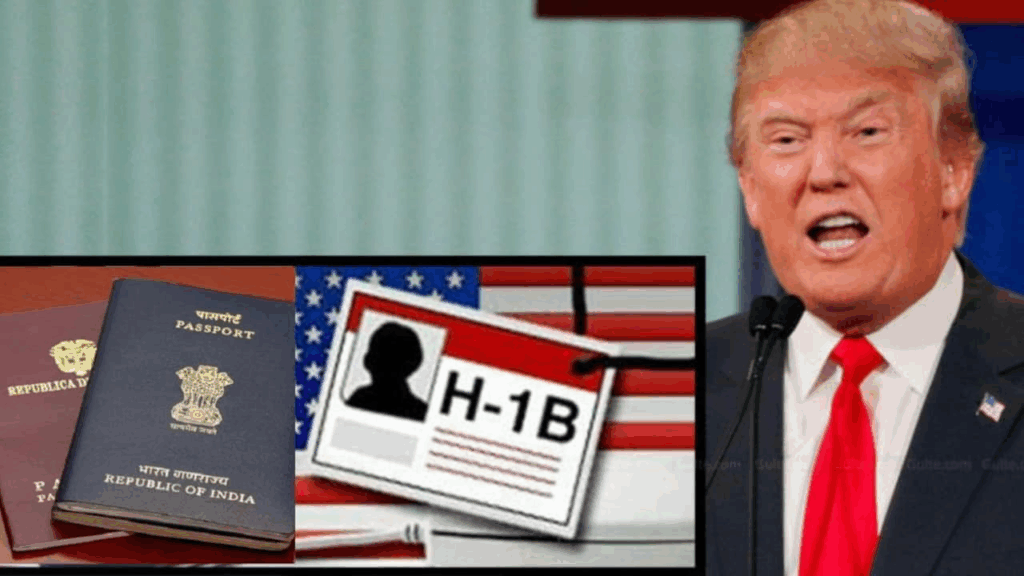
The Trump administration has initiated a significant overhaul of the H-1B visa program, proposing changes that would fundamentally alter how the U.S. attracts high-skilled foreign workers. The new measures, which include a “pay-to-play” fee structure and a wage-based selection process, are designed to prioritize top-tier talent and encourage higher compensation for foreign labor. While the administration frames these changes as a protection for American workers, they have prompted immediate concern from a broad coalition of stakeholders, particularly U.S. healthcare groups, and raised questions about the future of global talent flows.
Core Policy Changes: Wage-Based Selection
At the core of the proposed reform is a move away from the long-standing random lottery system. Instead, the Department of Homeland Security (DHS) is introducing a weighted selection process based on Occupational Employment and Wage Statistics (OEWS) tiers. Under this new system, applications would receive multiple entries in the selection pool according to their wage level, with a Wage Level IV registration receiving four entries and a Wage Level I registration receiving one. This shift aims to give a significant advantage to higher-paid, more experienced professionals, with DHS projecting a substantial increase in total wages for H-1B workers. This change is also accompanied by a dramatic fee increase, with a one-time charge of $100,000 imposed on new applications, a move that critics have labeled “executive taxation without Congress approval.”
Impact on the U.S. Healthcare Sector
The ramifications of this policy are most acutely felt in the U.S. healthcare sector. Hospitals and other health providers, already facing well-documented personnel shortages, rely on the H-1B program to recruit highly skilled physicians, researchers, and other professionals. The American Hospital Association (AHA) has voiced its concerns, emphasizing the critical role H-1B workers play in ensuring access to care, particularly in rural and underserved areas. The prohibitive cost and the new weighted selection process could make it increasingly difficult for hospitals—especially those that cannot afford to offer top-tier salaries—to fill crucial roles. The White House, in response to these concerns, has hinted at possible exemptions for physicians and medical residents, but the details and extent of such waivers remain unclear, leaving the industry in a state of uncertainty.
Global Ramifications and Talent Competition
Beyond the healthcare sector, the proposed H-1B changes carry broad implications for the global talent landscape. For the U.S. tech industry, the new fee and selection process could increase operational costs and deter top-tier talent from choosing American companies. Tech giants and venture capitalists have warned that these barriers risk a chilling effect on the nation’s innovation capacity. Conversely, countries like Canada and the United Kingdom are positioning themselves to capitalize on the shift, with some actively expanding their skilled migration programs to attract professionals who might be discouraged by the new U.S. policies. For India, the largest source of H-1B talent, the changes could paradoxically be a “winning hand,” prompting a talent return that fuels domestic startups and shifts the nation’s focus from a service-driven to a product-innovation model.
Conclusion and Future Outlook
In conclusion, the Trump administration’s H-1B visa reforms represent a sweeping policy shift with a clear objective: to re-engineer the high-skilled immigration system to favor workers with higher wages and skills. However, the potential economic and societal consequences are complex and far-reaching. From the immediate staffing anxieties of the U.S. healthcare sector to the broader remapping of the global innovation landscape, the debate over these changes highlights a fundamental tension between a nationalistic approach to labor policy and the historical reliance on foreign talent that has long powered American economic supremacy. The coming months will likely see legal challenges and continued debate as the full impact of these new rules becomes clearer.
About The Author