EU Proposes New Sanctions on Russia in Response to Kyiv Attacks
BRUSSELS – The European Union has unveiled its 19th package of sanctions against Russia, a decisive move following a recent escalation in Russian aggression, including a missile and drone strike that directly hit the EU’s office in Kyiv. The new measures, announced by European Commission President Ursula von der Leyen, are designed to further cripple Russia’s war economy by targeting its energy sector, financial loopholes, and military supply chains.
The latest sanctions package, which must be unanimously approved by all 27 member states, represents a significant tightening of the screws on Moscow. In a statement, von der Leyen highlighted Russia’s “contempt for diplomacy and international law” and its persistent escalation, noting that the strike on the EU office and other civilian targets in Ukraine was a grim reminder of the Kremlin’s brutal tactics.
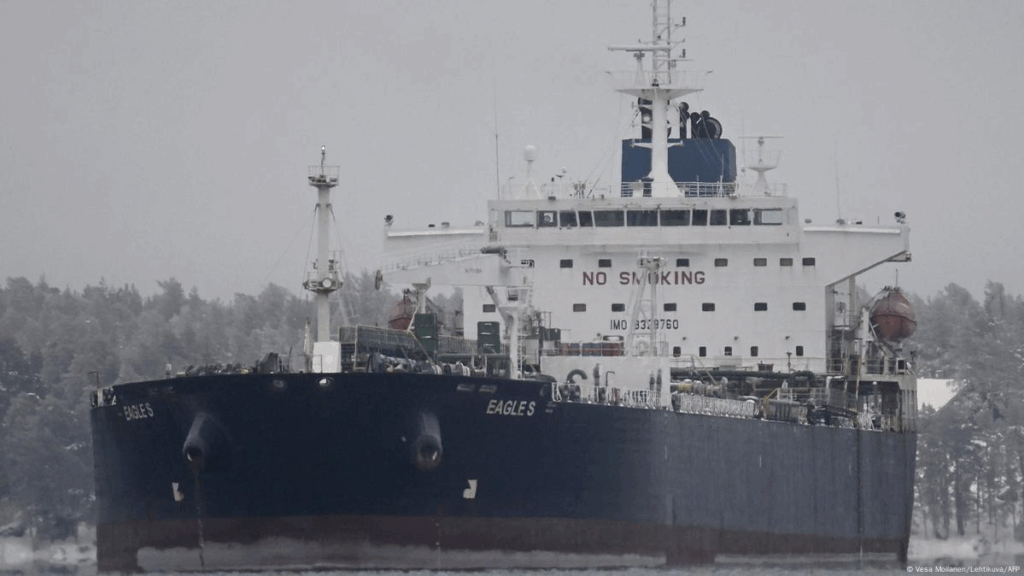
At the heart of the new proposals is a push to cut off Russia’s fossil fuel revenues. The EU plans to ban imports of Russian liquefied natural gas (LNG) into European markets, a move von der Leyen described as “time to turn off the tap.” A full prohibition of Russian LNG imports is aimed for by January 2027. The package also lowers the crude oil price cap to $47.6 per barrel and targets 118 additional vessels from Russia’s “shadow fleet,” a network of older oil tankers used to circumvent existing sanctions. Major energy trading companies Rosneft and Gazpromneft will also be placed under a full transaction ban.
Beyond energy, the EU is cracking down on financial evasion. For the first time, sanctions will hit cryptocurrency platforms and prohibit transactions, as Russia has increasingly used digital assets to evade restrictions. The new measures also propose a transaction ban on additional Russian banks and financial institutions in third countries that aid in circumvention efforts.
Furthermore, the sanctions aim to choke off Russia’s access to technologies used on the battlefield. A list of 45 companies in Russia and other countries, including China, have been identified for providing direct or indirect support to the Russian military-industrial complex. These export restrictions are particularly focused on components for drones and other advanced military hardware.
The European Commission insists that the sanctions are having a tangible impact, citing Russia’s high inflation and diminishing access to financing. Von der Leyen concluded her statement with a clear message: “We want Russia to leave the battlefield and come to the negotiating table… This is the way to give peace a real chance.” The proposal is currently under review by member states, with the EU leadership urging a quick endorsement to maintain pressure on the Kremlin.
About The Author