
A Nation Devastated: Afghanistan Earthquake’s Human Toll Mounts
A catastrophic earthquake has devastated eastern Afghanistan, with the death toll now tragically exceeding 1,400 people. The initial 6.0 magnitude quake on Sunday was followed by a significant 5.2 magnitude aftershock within 48 hours, compounding the destruction and severely hampering rescue efforts. The sheer force of the tremors, which struck late at night as most people slept, has flattened entire villages, leaving a trail of unimaginable devastation.
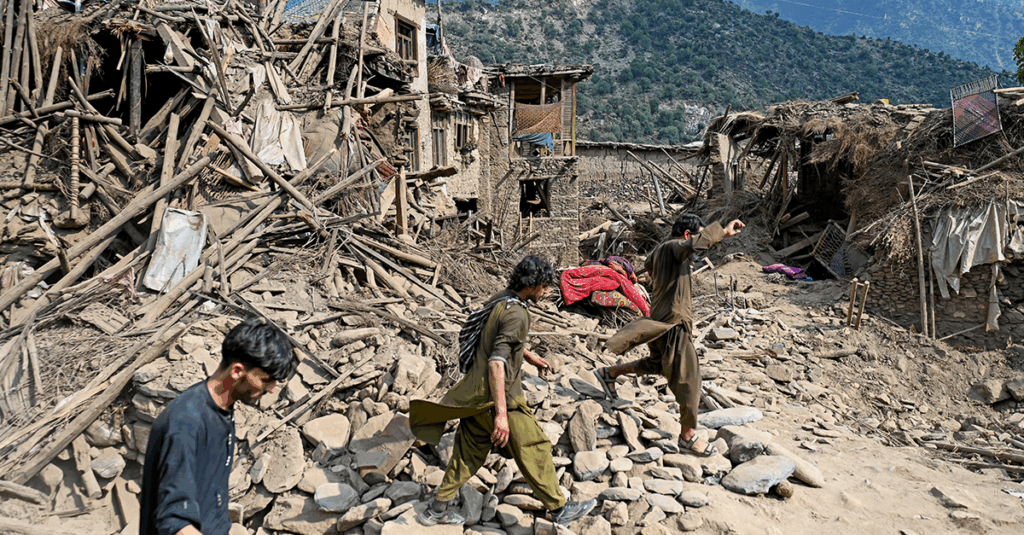
The majority of casualties have been reported in Kunar province, the worst-affected area, where over 5,000 homes have been destroyed. The shallow nature of the quake, with its epicenter near the Pakistan border, magnified its destructive power, particularly in a region where homes are predominantly constructed from mud-brick and wood. This construction style offered little to no defense against the seismic force, resulting in the widespread collapse of structures and trapping countless residents under the rubble. . Survivors have described scenes of absolute destruction, with one resident stating, “There is not a single standing room visible in this village,” and adding that adjoining villages had suffered a similar fate.
Rescue Efforts Face Severe Obstacles
Rescue operations are facing immense challenges that have slowed the pace of a response. The affected areas are remote and mountainous, and the quakes have triggered landslides and rockfalls that have blocked key roads and cut off communication networks. With many villages now inaccessible by vehicles, aid workers are being forced to travel for hours on foot, carrying essential supplies on their backs.
While the Taliban authorities have deployed helicopters to airlift critically injured people, the difficult terrain and lack of landing zones have severely limited their effectiveness. This has left many families to frantically dig through the debris with their bare hands in a desperate search for loved ones. As each hour passes, the critical 72-hour window for rescue is closing, and the hope of finding survivors is rapidly fading. The United Nations has reported that communication and connectivity issues are a major hurdle for humanitarian teams, making it difficult to coordinate a swift and comprehensive response.
Humanitarian Crisis Deepens Amid Funding Shortfalls
The disaster has exacerbated an already dire humanitarian crisis in Afghanistan. The country is grappling with reduced international aid, a weak economy, and the recent return of hundreds of thousands of Afghans deported from neighboring countries like Iran and Pakistan. These internal and external pressures have left the nation’s resources stretched to the breaking point.
International organizations and countries, including India and the UK, have pledged emergency relief, with supplies like tents, food, and medical kits being airlifted into the country. The UN has released emergency funds to help kick-start the humanitarian response, but the scale of the disaster is overwhelming existing resources. Concerns remain about the distribution of aid due to the lack of official international recognition of the Taliban government and their restrictive policies, which have been criticized for hindering the work of humanitarian agencies. Officials from various organizations warn that the death toll is likely to rise as rescuers continue to access more remote areas. The situation underscores the urgent need for a coordinated, sustained international effort to provide both immediate relief and long-term recovery support for the people of Afghanistan.
About The Author