The Inner Diya: How the Festival of Lights Encourages Personal Introspection and Renewal
Diwali, the ancient Festival of Lights, is globally recognized for its stunning displays of illumination, vibrant fireworks, and joyful community gatherings. While the external celebration is mesmerizing, the profound relevance of this five-day festival in the modern age lies not in the brightness of the streets, but in the internal process it encourages: personal introspection and renewal.
The Symbolic Victory of Light
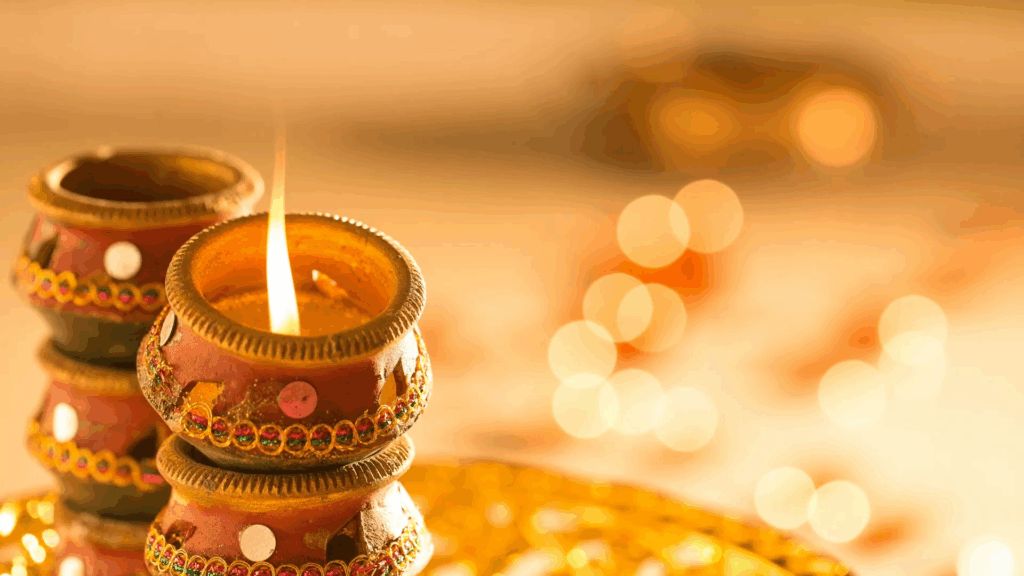
At its core, Diwali is a powerful metaphor for the triumph of knowledge over ignorance and light over darkness. The ritual of lighting thousands of clay lamps, or diyas, around our homes is a symbolic act. Every flicker of flame is a deliberate choice to dispel external shadows. However, the true spiritual practice is turning that flame inward. In an age of constant digital noise and external validation, Diwali offers a mandated moment to pause and ask: What inner darkness, what doubt, fear, or unaddressed conflict, needs to be banished this year? By consciously seeking clarity, we align ourselves with the festival’s deepest intention, utilizing the physical light as a reminder for internal enlightenment.
The Annual Reset: Safai and Psychological Decluttering
This theme of renewal is most evident in the rigorous pre-Diwali tradition of deep cleaning, or safai. This isn’t merely spring cleaning; it’s an annual reset. We meticulously declutter physical spaces, discarding broken, unused, or accumulated items that no longer serve us. Psychologically, this tradition is a vital tool for mental health. The physical act of removing clutter creates space and reduces cognitive load, allowing us to shed the mental and emotional baggage accumulated over the past year. This intentional cleansing prepares the environment, and by extension, the mind, to welcome prosperity, peace, and new beginnings.
Redefining Prosperity: The True Meaning of Lakshmi Puja
Furthermore, the central night of Diwali focuses on the worship of Goddess Lakshmi, the deity of wealth and prosperity. In a capitalist society, it is easy to reduce this to a prayer for financial gain. However, traditional wisdom views Lakshmi as the embodiment of all forms of abundance, including spiritual wealth, wisdom, and virtuous character. Introspection during this time means defining what true prosperity looks like for us. Is it simply a larger bank balance, or is it an abundance of patience, a wealth of strong relationships, or the priceless asset of inner peace? By setting these clarified intentions during the puja, we commit to cultivating abundance in its highest form, making Diwali an annual performance review for our soul.
Ultimately, Diwali transcends its cultural and religious origins to serve as a universal blueprint for self-improvement. It provides a structured, beautiful, and communal framework for a fresh start. It is an invitation to celebrate the capacity of the human spirit to overcome inertia, to commit to growth, and to perpetually renew the light of hope and goodness within ourselves. When we light that diya this year, we are not just illuminating a room; we are reaffirming our dedication to illuminating our lives.
About The Author