Icy Heart, Warm Home: Why Elsie Silver’s Wild Card Scores Big
4/5 ⭐⭐⭐⭐
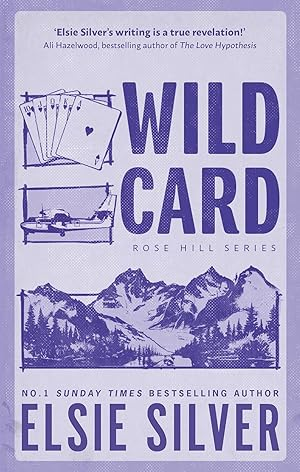
Elsie Silver continues her compelling exploration of the rural Canadian town of Chestnut Springs with Wild Card, a story that expertly blends the high-stakes world of professional hockey with the cozy, grounded charm of a small-town romance. Focusing on the quiet, stoic hockey superstar Jasper Gervais and the dynamic, unapologetic single mother Willa Grant, the novel is a masterclass in slow-burn tension and emotional depth. This review will delve into how Silver uses the forced proximity trope and the contrast between celebrity and domestic life to craft a satisfying, genuinely moving addition to her popular series.
The Perfect Off-Season Setup: Trope Execution
The plot hinges on an unlikely, temporary cohabitation arrangement. Jasper Gervais, famous for his skill and infamous for his tightly guarded personal life, finds himself unexpectedly housed with Willa and her spirited five-year-old son, Cade, during the off-season. This setup immediately leverages the ‘found family’ and ‘sunshine/grump’ tropes, allowing the emotional foundation of the relationship to be laid organically through everyday interactions rather than manufactured drama. Silver’s pacing is deliberate and effective; the professional distance Jasper maintains begins to thaw under the relentless warmth and chaos of Willa’s domestic life. The story manages to balance the necessary beats of a sports romance, including team politics and the pressures of fame, with a focused, intimate look at two people learning to trust happiness again.
Character Dynamics and Electric Chemistry
The strength of Wild Card lies squarely in its character dynamics and the palpable chemistry between Willa and Jasper. Willa is arguably one of the most refreshing heroines in the series. She is resilient, fiercely protective of her son, and refreshingly direct, refusing to minimize her life or her responsibilities for a man, no matter how famous. Jasper, initially presented as emotionally unavailable, evolves beautifully. His vulnerability, particularly in his gentle and protective interactions with Cade, acts as the key that unlocks the emotional connection with Willa. The tension between them is electric, built not just on physical attraction but on shared silences, mutual respect, and a profound sense of understanding. Silver handles the transition from strangers to tentative partners with nuance, making their eventual connection feel earned and inevitable.
Fame, Belonging, and Silver’s Signature Style
Thematically, the book explores the pervasive influence of fame and the universal desire for belonging. Jasper’s celebrity status is a constant shadow, but the novel uses Chestnut Springs as an antidote—a place where his hockey achievements are secondary to his character. Silver’s writing style is consistent with the series: witty, deeply emotional, and punctuated by sharp, modern dialogue. She employs a dual perspective that allows readers deep access into both Willa’s practical anxieties and Jasper’s internal conflict regarding commitment and legacy. This emotional transparency prevents the narrative from relying on superficial misunderstandings, elevating the story beyond typical genre conventions.
In conclusion, Wild Card is a resonant and powerful romance that successfully builds on the world Silver has created. It excels in crafting characters who are believable, complex, and deserving of their happy ending. While the small-town, found-family dynamic is a familiar formula, Silver executes it with such sincerity and skill that the book feels both comfortable and captivating. It is highly recommended for readers who appreciate emotional depth, excellent slow-burn chemistry, and the rewarding sight of a stoic hero being dismantled by a strong heroine and her charming child.
About The Author