
Protein Power-Ups: Simple Ways to Boost Protein at Every Meal (No Shakes Required)
For years, nutrition advice has often centered on restriction, what to cut out, what to avoid, and what you’re doing “wrong.” But a far more effective, and frankly, enjoyable approach is focusing on adding more of what your body needs.
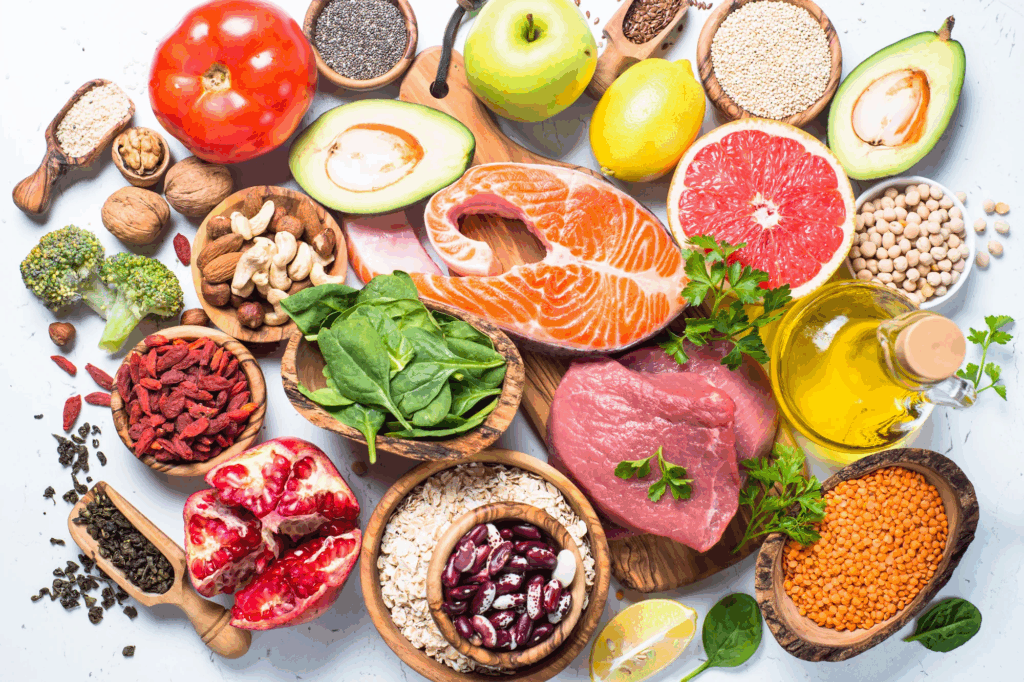
When it comes to building a more satisfying and energizing diet, there is no greater “power-up” than protein. Protein is essential for sustained energy, repairing muscle tissue, and creating hormones, and it is the key macronutrient for helping you feel full for longer. Instead of tracking grams or drinking chalky shakes, let’s explore how you can organically weave more protein into the meals you already love.
Morning Fuel: Level Up Your Breakfast
The morning meal sets the tone for your day, and boosting its protein content is arguably the easiest addition you can make.
If you typically reach for cereal or toast, try incorporating one of these:
- The Cottage Cheese Swap: Instead of just fruit or jam, use cottage cheese as your side. It’s a complete protein source that pairs beautifully with berries and a drizzle of honey.
- Extra Eggs: If you make scrambled eggs, add an extra egg or two to your portion. If you prefer oatmeal, simply mix in one scoop of plain Greek yogurt or a spoonful of peanut butter after cooking.
- Nuts and Seeds: For any granola or overnight oats, maximize your additions. A tablespoon of hemp seeds or chia seeds tossed in adds valuable protein, fiber, and healthy fats effortlessly.
Smart & Satisfying Lunch Fixes
Lunch can often be the hardest meal to protein-up, especially when eating on the go. The goal here is efficiency and saturation.
- The Salad & Soup Anchor: Never eat a salad without a reliable protein source, and don’t be afraid to double up. Adding a small can of tuna, a handful of chickpeas, or pre-cooked lentils to your bowl can transform a light lunch into a hearty, satisfying meal. For soups, stir in some shredded rotisserie chicken or a scoop of white beans.
- Ditch the Low-Protein Spread: Swap butter or jam on sandwiches for spreads that pack a punch, like hummus, nut butter, or even a thin layer of cream cheese (full-fat or reduced-fat, depending on preference).
- Cheese as a Side: Instead of a simple carb snack, add a small side of string cheese, a wedge of Babybel, or a few cubes of hard cheese to your lunch plate for a quick, concentrated protein hit.
The Dinner & Snack Strategy
Dinner and snacks offer ample opportunity for positive additions. The strategy is to utilize simple ingredients you likely already have.
When preparing pasta sauce or chili, add a can of beans or lentils during the simmer process. They blend right into the texture, boosting the fiber and protein significantly without changing the flavor profile of the dish. Similarly, when making rice, try replacing half the rice with quinoa—a complete protein that cooks in the same way.
Finally, redefine your snack game. If you usually reach for chips or pretzels, shift your focus to combinations that include protein and fiber:
- A handful of walnuts or almonds (great source of healthy fats and protein).
- Dried edamame (a powerful, crunchy, portable protein snack).
- Hard-boiled eggs (pre-cook them for the week and keep them in the fridge).
Focusing on these simple, positive additions—the “Protein Power-Ups”—allows you to crowd out less nutritious options naturally, leading to better satiety, more stable energy, and a healthier relationship with food, all without the stress of restriction.
About The Author