
US Visa Policy: Two Tracks of Enforcement – Ideological Scrubbing and Cartel Crackdown
WASHINGTON, D.C. – The U.S. government has recently executed two highly contrasting, large-scale visa revocation campaigns, signaling a significant expansion in the use of immigration policy as a foreign relations and ideological enforcement tool. These actions, the revocation of visas for six foreign nationals over social media posts and the mass cancellation of visas for over 50 Mexican officials linked to drug cartels, underscore the administration’s willingness to define national interest broadly, encompassing both traditional security threats and ideological adherence.
Ideological Vetting: The Social Media Crackdown
The first action, involving six individuals from countries including Argentina, Mexico, and South Africa, saw their U.S. travel privileges terminated following social media commentary deemed to have “celebrated” or “made light of” the recent assassination of conservative political activist Charlie Kirk. The State Department justified the move by asserting that the U.S. “has no obligation to host foreigners who wish death on Americans,” framing the expression as a threat to national culture and security. While the U.S. maintains the inherent right to grant or revoke visas as a privilege rather than a right, the use of a political figure’s death as a trigger for immigration enforcement has drawn sharp criticism. Legal experts and civil rights groups have raised profound concerns regarding free speech protections, arguing that the policy sets a vague and dangerous precedent for vetting foreign visitors based on their political opinions or commentary critical of Uigating officials. This move solidifies a shift towards using digital footprints to screen for what the administration defines as “hostile attitudes” toward its citizens or institutions.
Anti-Cartel Enforcement: Targeting Mexican Officials
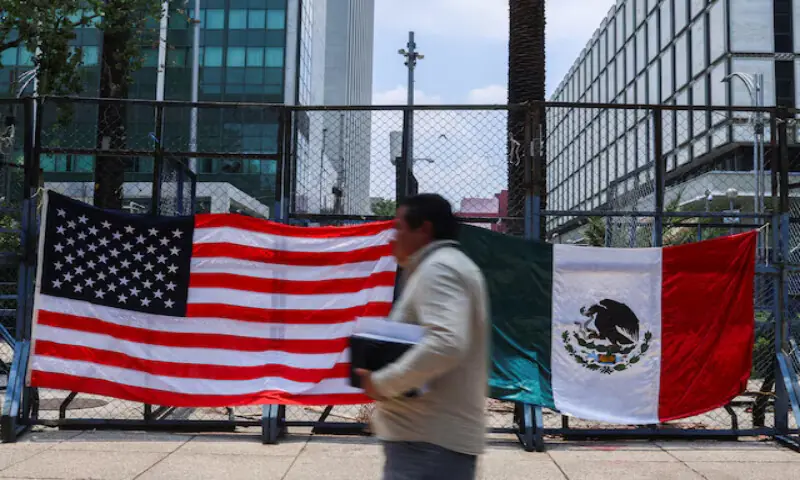
Simultaneously, the administration employed the visa revocation tool with considerable force against a major transnational threat, canceling the visas of at least 50 Mexican politicians and government officials. This targeted action is a crucial element of the intensified U.S. crackdown on drug cartels, particularly those involved in the fentanyl trade. The officials, many affiliated with the ruling Morena party, are suspected of corruption or having illicit ties to organized crime networks. Visa revocation serves as a powerful, non-criminal punitive measure that bypasses lengthy judicial processes, effectively ostracizing these figures from the highest echelons of global travel and commerce. Former ambassadors noted the scale of this crackdown is unusually broad, sending “shockwaves” through Mexico’s political establishment and signaling Washington’s readiness to exert substantial diplomatic pressure on its neighbors to tackle corruption at all levels of government.
Analysis: The Evolving Scope of Visa Policy
The disparate nature of these two revocation campaigns illustrates the evolving scope of U.S. immigration enforcement. In one instance, the government is targeting political speech that is perceived as hostile or “anti-American,” venturing into the complicated area of ideological vetting. In the second instance, it is leveraging the privilege of U.S. travel to enforce foreign policy goals against corruption and narco-trafficking, which aligns with traditional national security objectives. Together, these actions confirm that the U.S. visa is increasingly being wielded not merely as a border control document, but as an active mechanism of political and diplomatic leverage on the global stage.
About The Author