“28 Years Later”: A Terrifying Resurgence of the Undead
⭐⭐⭐⭐⭐ 5/5
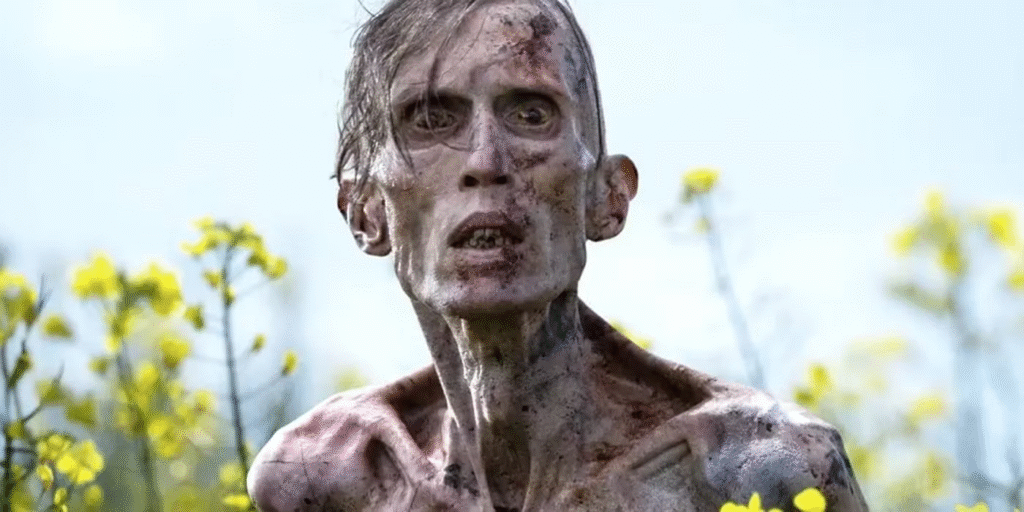
Danny Boyle’s “28 Years Later” isn’t just another zombie movie; it’s a visceral, groundbreaking horror film that redefined the genre for a new generation. Released in 2002, it presented a terrifyingly plausible apocalypse, driven not by the shambling undead, but by the ferociously fast and rage-filled “Infected.” This film is a masterclass in suspense, social commentary, and raw, unflinching terror, leaving an indelible mark on cinematic horror.
A Bleak Awakening
The film opens with Jim, a bicycle courier, waking from a coma in a deserted London hospital 28 days after a highly contagious rage virus has swept across the UK. The eerie silence of a post-apocalyptic London, captured through stark, desaturated digital video, immediately sets a tone of profound isolation and dread. Boyle masterfully builds tension through atmosphere rather than jump scares, making Jim’s bewildered journey through an empty city genuinely unsettling. The discovery of the Infected, not as reanimated corpses but as living, breathing humans consumed by uncontrollable rage, instantly elevates the threat beyond traditional zombie lore.
Humanity’s Dark Side
As Jim encounters other survivors – the pragmatic Selena, the compassionate Frank, and his daughter Hannah – the film explores the fragility of human morality in the face of collapse. While the Infected are a constant, terrifying threat, “28 Years Later” posits that humanity itself can be just as, if not more, monstrous. The film’s second half, where the survivors seek refuge with a group of soldiers, delves into the disturbing depths of human depravity and the abuse of power, revealing a horror far more insidious than the virus itself. This thematic depth elevates the film beyond mere creature feature, turning it into a chilling examination of survival at any cost.
Relentless Pace and Visual Style
Boyle’s direction is relentless. The handheld, digital cinematography, initially a budgetary necessity, became a stylistic triumph, lending an immediate, gritty realism to the chaos. The fast-moving Infected, accompanied by John Murphy’s iconic and haunting score (particularly “In a Heartbeat”), create moments of pure, adrenaline-fueled panic. The film’s pacing is a relentless assault on the senses, maintaining a high level of tension from the moment Jim steps out of the hospital until the final, ambiguous frames.
Lasting Impact and Conclusion
“28 Years Later” is a landmark horror film that revitalized the zombie genre, influencing countless subsequent movies, TV shows, and video games. It proved that horror could be both terrifyingly effective and deeply intelligent, offering sharp social commentary alongside its scares. With its raw aesthetic, terrifying creatures, and unflinching look at human nature, it remains a powerful and unforgettable experience. If you’re looking for a horror film that will genuinely get under your skin and stay there, “28 Years Later” is an absolute must-watch.
About The Author