WHO Details Harrowing Scenes of ‘Horrific Trauma’ in Gaza as Health Crisis Deepens
Urgent Rehabilitation Crisis Looms for Thousands
The World Health Organization (WHO) has issued a grave warning regarding the catastrophic health situation in the Gaza Strip, reporting “harrowing scenes” and a “constant stream of trauma patients” as the ongoing conflict inflicts devastating and long-term injuries on the population. A new WHO report, released on October 2, 2025, estimates that nearly 42,000 people in Gaza are living with life-changing injuries, a figure that accounts for one-quarter of the total reported 167,376 injuries since October 2023. Critically, one in four of these life-changing injuries are in children. The sheer scale of the injuries suggests that thousands of people will require rehabilitation care and support for years to come. The most common injuries demanding intensive rehabilitation are blast injuries to legs and arms, with over 5,000 people having already faced amputation. Other severe trauma includes injuries to the spinal cord (over 2,000 cases), the brain (over 1,300 cases), and major burns (more than 3,300 cases).
Collapsing Health System Overwhelmed
WHO officials describe a health system teetering on the brink of complete collapse under the relentless strain. As of early October 2025, only 14 of Gaza’s 36 hospitals remain partially functional. This severely compromises the ability to treat the influx of patients, especially as WHO’s representative in the occupied Palestinian territory, Rik Peeperkorn, described witnessing a “constant stream of trauma patients, horrific trauma patients, young girls with severe burn wounds, boys gasping” during recent visits to hospitals in Gaza City. Furthermore, less than one-third of pre-conflict rehabilitation services are currently operational, with the rehabilitation workforce having been devastated by the conflict. Despite the overwhelming number of amputations, Gaza reportedly has only 8 prosthetists to manufacture and fit artificial limbs, highlighting a profound and immediate shortfall in specialized care.
Profound Mental Health and Malnutrition Woes
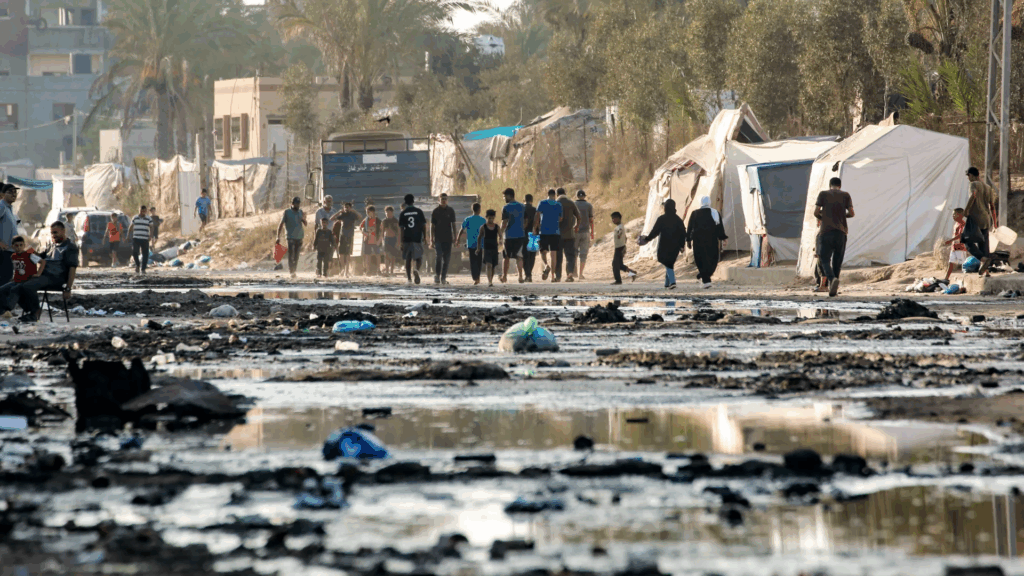
The WHO report also underscores the deep psychological toll of the conflict. Conflict-related injuries carry a “profound mental health toll,” as survivors must grapple with trauma, loss, and the daily struggle for survival while psychosocial services remain acutely scarce. In addition to trauma, the health crisis is compounded by alarming levels of malnutrition. Seven in 10 pregnant and breastfeeding women in Gaza are facing acute malnutrition, and one in five babies are being born either underweight or premature. The devastation extends beyond the hospitals, with dire sanitation conditions, overcrowding, and malnutrition-related weakened immunity leading to a rise in infectious diseases.
An Urgent Call for Action and Protection
The WHO and its partners, who continue to operate Emergency Medical Teams (EMTs) on the ground, stress the urgent need for several critical interventions. The organization calls for the urgent protection of health care, unhindered access to fuel and medical supplies, and the removal of all restrictions on the entry of essential items, including assistive devices for the injured. Medical evacuation remains a priority, with over 15,000 seriously ill or wounded patients, including 3,800 children, currently awaiting specialist treatment outside of Gaza. Above all, the WHO reiterated its call for an immediate ceasefire, asserting that the people of Gaza “deserve peace, the right to health and care, and a chance to heal.”
About The Author