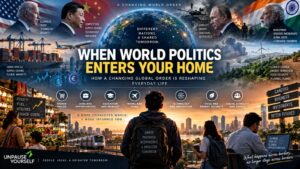
Trump Administration Signals Shift in Tech War as Nvidia Gains H20 AI Chip Export Approval for China
WASHINGTON D.C. – In a move that sent ripples across global tech markets and diplomatic circles, the Trump administration has granted approval for Nvidia to sell its advanced H20 Artificial Intelligence (AI) chips to China. This surprising reversal of previous policy marks a significant development in the escalating tech trade war between the United States and China, potentially signaling a de-escalation of tensions and a pragmatic shift in Washington’s approach to semiconductor exports.

The announcement came directly from Nvidia CEO Jensen Huang, who, in a company blog post and subsequent interviews, confirmed that the U.S. government had provided assurances that licenses for H20 chip sales would be granted, with deliveries expected to commence shortly. This decision comes after intense lobbying efforts by tech industry leaders, including Huang himself, who have consistently argued that stringent export controls risk ceding critical market share and innovation leadership to rivals, particularly within China’s burgeoning AI sector.
The H20 chip, a China-specific variant of Nvidia’s powerful AI accelerators, was explicitly designed to comply with earlier U.S. export restrictions. However, in April of this year, further tightened controls by the Trump administration effectively banned its sale to China, leading Nvidia to project a significant financial hit, with billions in potential lost revenue and inventory write-offs. The sudden green light for H20 exports suggests a reevaluation of the previous hardline stance, acknowledging the economic repercussions for American companies and the broader dynamics of the global AI supply chain.
For China, the approval is a welcome, albeit cautious, development. The nation’s ambitious AI development programs heavily rely on advanced semiconductor technology, and Nvidia’s chips, particularly due to their CUDA software ecosystem, remain a critical component for training and deploying large-scale AI models. While Chinese firms like Huawei have made strides in indigenous chip development, they still face significant challenges in matching the performance and ecosystem maturity of leading U.S. players. The ability to legally procure H20 chips provides a much-needed boost to their AI capabilities, at least in the short to medium term.
However, analysts caution against interpreting this as a complete dismantling of U.S. tech export controls. The H20 is a less powerful version of Nvidia’s cutting-edge AI chips, such as the H100, which remain under stringent export bans to China. This suggests a nuanced strategy from the Trump administration: allowing the sale of certain AI hardware to maintain American companies’ competitive presence in the vast Chinese market, while still seeking to prevent Beijing from acquiring the most advanced technologies that could be deemed critical for military applications or achieving technological parity.
The implications of this policy shift extend beyond just Nvidia and China. It impacts the broader global AI development landscape and supply chain. For other U.S. chipmakers and technology companies, it could signal a more flexible regulatory environment, encouraging them to reassess their strategies for engaging with the Chinese market. For allies, it might necessitate a re-evaluation of their own export control frameworks, given the interconnected nature of the semiconductor industry.
Despite the positive market reaction and the potential for de-escalation, uncertainty persists. The Trump administration has historically been prone to abrupt policy shifts, and the long-term trajectory of the U.S.-China tech relationship remains subject to geopolitical currents. Chinese firms are likely to continue prioritizing self-sufficiency in semiconductor manufacturing, recognizing that the current opening could be temporary.
Ultimately, the decision to allow Nvidia’s H20 sales to China reflects a complex balancing act: the U.S. seeks to preserve its technological leadership and national security interests while recognizing the economic imperatives of its leading companies and the realities of a deeply interconnected global economy. This latest development adds another intriguing chapter to the ongoing tech rivalry, hinting at a potential, albeit fragile, pathway towards a more managed competition in the critical realm of artificial intelligence.
About The Author