
The Ultimate Note-Taking Showdown: Digital vs. Analog
In today’s fast-paced world, finding the most effective way to capture information is a constant challenge. Whether you’re a student in a lecture hall or a professional in a meeting, the age-old debate rages on: is it better to use a classic pen and paper, or embrace the convenience of digital tools? Having spent years on both sides of this divide, I’ve come to realize that each method offers unique strengths. Let’s dive into the great note-taking showdown.
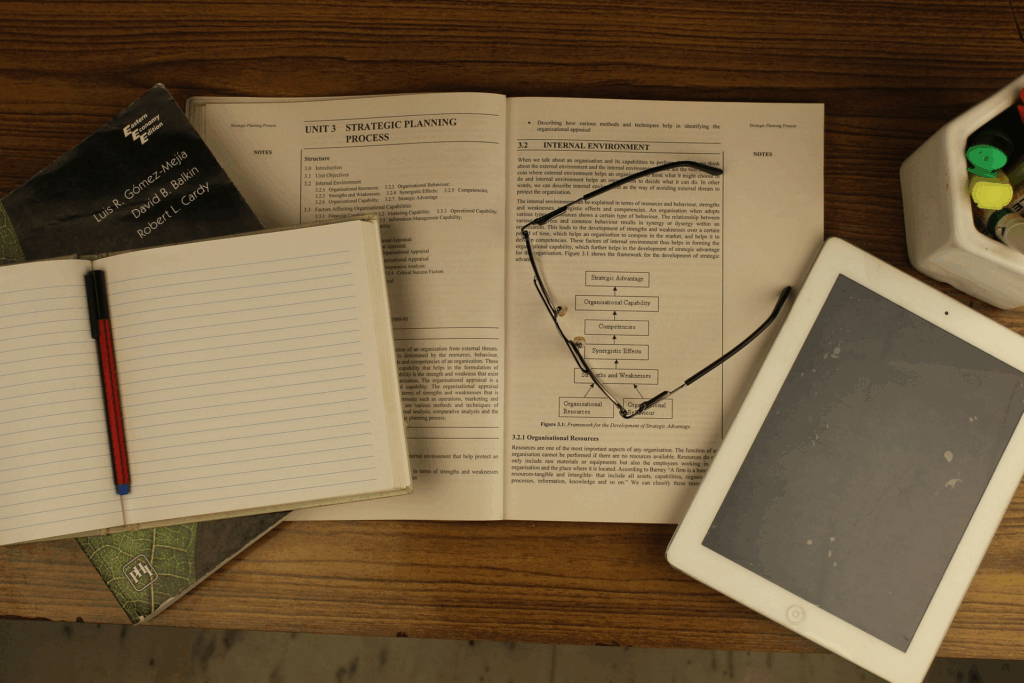
The Case for Analog: The Power of Pen and Paper
There’s something undeniably satisfying about the feel of a pen gliding across a fresh sheet of paper. Analog note-taking is a timeless ritual for a reason. Studies suggest that the act of physically writing things down improves retention and comprehension. When you take notes by hand, your brain is more actively engaged in processing the information, leading to deeper understanding.
For me, pen and paper are essential for brainstorming and creative work. The freedom to scribble, draw connections with arrows, and create messy mind maps without the constraints of a screen is invaluable. It’s a low-tech, high-focus environment that eliminates the endless distractions of notifications and open tabs. When I need to truly absorb a complex topic, a notebook and a good pen are my go-to tools.
The Digital Advantage: Speed, Searchability, and Syncing
On the other side of the ring, we have the undisputed champion of efficiency: digital note-taking. The ability to type faster than you can write, the power to search for a single keyword across thousands of pages, and the peace of mind knowing your notes are backed up to the cloud are game-changers.
The biggest win for digital notes is organization. I can easily create folders for different classes or projects, tag notes for quick retrieval, and even link to external resources. Collaborative projects become seamless with shared documents, and the ability to access my notes from my laptop, tablet, or phone means I’m never without the information I need. It’s the ultimate solution for anyone who values speed and accessibility above all else.
Finding Your Balance: The Hybrid Approach
After years of switching back and forth, I’ve concluded that the true winner isn’t a single method, but a smart combination of both. I now use a hybrid approach that leverages the strengths of each.
During meetings or lectures, I use a tablet with a stylus to get the best of both worlds. It provides the tactile feel of writing by hand while giving me the digital benefits of searchability and easy organization. For long-form writing or research, I use digital tools to quickly gather and organize information. But when I need to outline an essay or map out a new idea, I still reach for a physical notebook and a pen to get my thoughts flowing freely.
Ultimately, the best note-taking method is the one that works for you. Whether you’re a die-hard pen-and-paper loyalist, a digital native, or somewhere in between, the goal is the same: to capture your ideas and knowledge in a way that helps you succeed.
What’s your go-to note-taking method? Let me know in the comments below!
About The Author