The Silent Star in the Age of Sound: Why Dialogue Isn’t Always Necessary for Emotional Depth
Charlie Chaplin’s masterpieces, particularly City Lights (1931) and Modern Times (1936), remain astonishing artistic achievements not just because they were produced well after the advent of “talkies,” but because they consciously rejected synchronized dialogue to maintain a deeper, more universal emotional resonance. The question is compelling: Can a modern comedic film or TV show achieve the same emotional depth and universal appeal without relying on spoken words?
The short answer is yes, but the attempt requires filmmakers to trade the convenience of dialogue for the rigor of pure cinematic language, a trade-off most modern creatives avoid.
The Secret Weapon of the Tramp
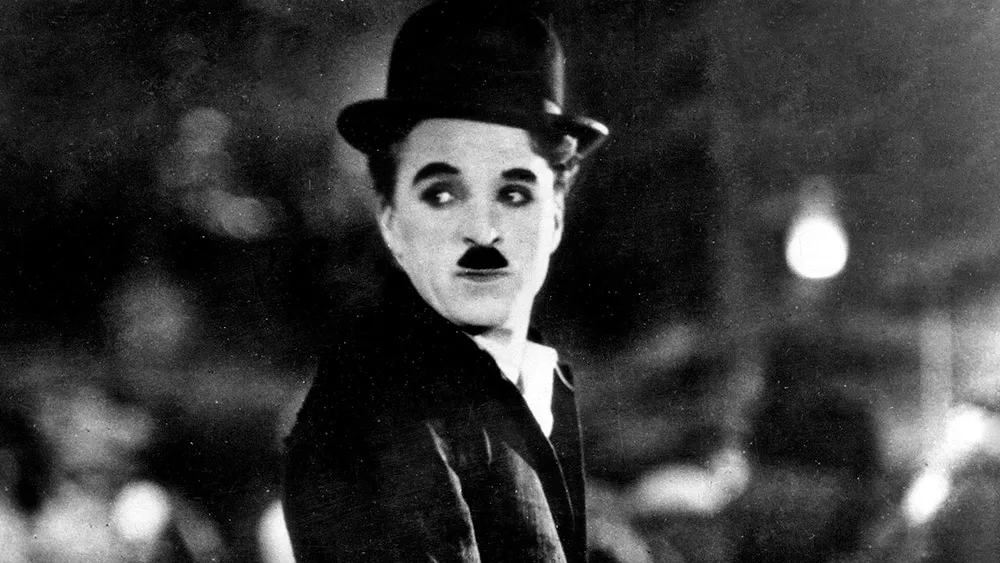
To understand why Chaplin succeeded, we must first analyze the source of his genius. Chaplin’s comedy was never just about physical slapstick; it was about pathos. The Little Tramp’s universality stemmed from his precise, expressive body language and masterful use of subtext.
In the famous final scene of City Lights, where the formerly blind flower girl finally recognizes the Tramp by the touch of his hand, the emotion is delivered through three key elements:
- Mime and Gesture: Chaplin’s vulnerable facial expressions, hunched posture, and the delicate, nervous adjustment of his hat.
- Visual Framing: A tight close-up that forces the audience to focus entirely on the characters’ eyes, eliminating external distraction.
- Music (The Emotional Anchor): Chaplin composed the music himself, using the non-verbal soundtrack to signal and amplify the tragicomic stakes of the scene.
The absence of dialogue forces the audience to project their own experiences and understanding onto the characters, creating a connection that transcends culture and language. Dialogue, by contrast, can be reductive, locking meaning into specific words that might not translate or resonate as deeply.
The Challenge for Modern Comedy
Modern comedic films and TV shows are, by nature, dominated by witty banter, quick cuts, and verbal pacing that drives the plot. To intentionally remove dialogue today is an act of radical artistic choice, immediately raising three primary hurdles:
1. The Expectation of Speed
Modern audiences are accustomed to narratives being delivered efficiently through exposition and snappy repartee. A dialogue-free comedy needs time and physical space to set up, execute, and pay off a visual gag, requiring patience that the typical 22-minute sitcom or 90-minute film structure often cannot afford.
2. The Loss of Specificity
While silence offers universality, dialogue offers specificity. It is easier to establish character traits, backstories, and complex motivations through a few lines of script than through intricate visual choreography. A modern silent work must use sophisticated cinematography, production design, and prop work to convey information efficiently—techniques that require more careful attention than rapid-fire jokes.
3. The Need for Performers of Genius
The biggest hurdle is finding performers with the physical mastery of a Chaplin or a Buster Keaton. Modern actors are trained for emotional realism and verbal chemistry, not for the highly stylized, balletic precision required to convey an entire emotional arc with just a raised eyebrow or a cane flourish.
The Modern Success Stories
Despite these challenges, contemporary cinema has proven that the spirit of Chaplin is far from dead.
The most famous example is The Artist (2011) , which won the Academy Award for Best Picture and succeeded precisely because it leaned into the universal themes of career change, anxiety, and love—all expressed through the visual language of the 1920s.
In television, the art form lives in specific, brilliant moments:
- Mr. Bean: The entire premise of this classic TV show relies on Rowan Atkinson’s physical brilliance, where entire episodes are played out through pantomime, focusing on the character’s universally relatable frustration with daily minutiae.
- Physical Comedy Sequences: Modern comedies often include isolated, dialogue-free chase scenes or physical gags (think the silent panic sequences in shows like Curb Your Enthusiasm or Veep) that achieve maximum tension and humor precisely because the talking stops.
The Verdict
A modern comedy can absolutely achieve the emotional depth and appeal of a Chaplin film without spoken dialogue, but it must accept the aesthetic constraints that come with it. It cannot be cheap, it cannot be rushed, and it cannot rely on performers who lack physical training.
The genius of Chaplin wasn’t merely that he made silent films; it was that he used silence to focus intensely on the human condition, the struggles of the poor, the resilience of the outcast, and the purity of true love. That focus remains a timeless and universal language, regardless of whether a microphone is present. The right modern project, committed to visual poetry over verbal exposition, could certainly create the next great silent masterpiece.
About The Author