The EU’s Sanctions Dilemma Over Gaza: A Deeply Divided Bloc
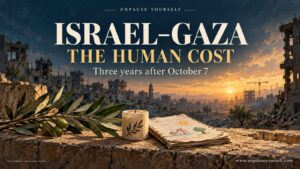
Brussels, Belgium — The European Union remains deeply split on how to respond to the ongoing war in Gaza, with member states unable to reach a consensus on applying economic pressure against Israel. The bloc’s foreign policy chief, Kaja Kallas, has openly acknowledged the “problematic” division, stating she is “not very optimistic” about reaching an agreement on even a “lenient” proposal to curb Israel’s access to EU research funding. This rift, which has paralyzed the EU’s ability to act collectively, highlights the profound and long-standing differences among its 27 members regarding the Middle East.
A Fracture in Unity
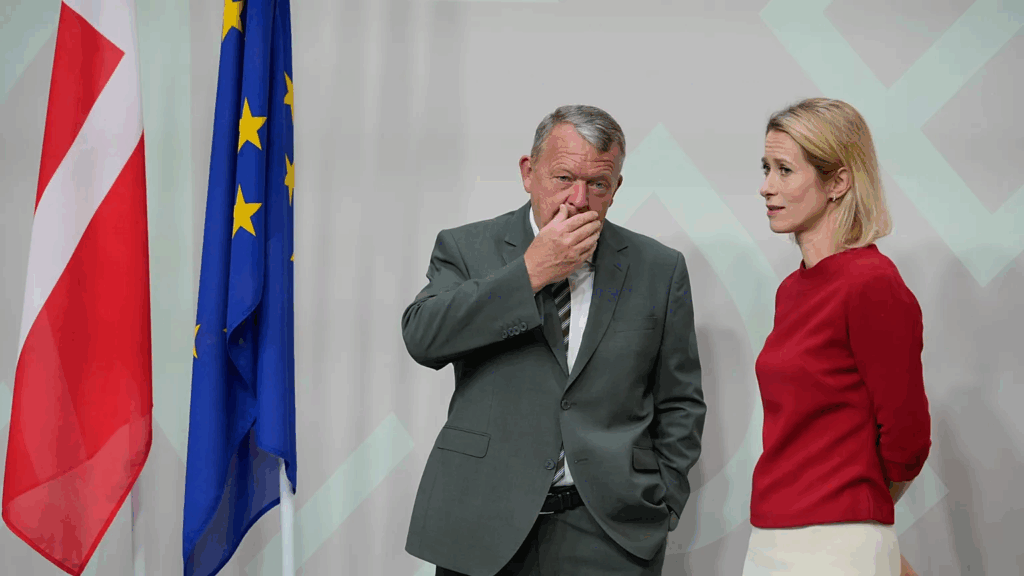
The impasse was starkly visible during a recent informal meeting of EU foreign ministers in Copenhagen. While countries like Ireland, Spain, Sweden, and the Netherlands have been vocal in their demands for strong action—including the potential suspension of the EU-Israel free trade pact—they face staunch opposition from traditional allies of Israel, such as Germany, Hungary, and the Czech Republic. These divisions have left the EU unable to translate its widespread criticism of the humanitarian situation in Gaza into impactful political or economic measures.
For advocates of sanctions, the humanitarian crisis in Gaza, which a UN-backed report has declared a famine, is a moral imperative for immediate action. Irish Foreign Minister Simon Harris has been particularly forceful, questioning, “If the EU does not act as a collective now and take sanctions against Israel, whenever will it? What more could it possibly take? Children are starving.”
The Opposition’s Stance
On the other side of the debate, countries opposing sanctions raise concerns about the efficacy of such measures and their potential impact on diplomatic relations. Germany, Israel’s largest trading partner and a key ally, has expressed doubts about proposals like suspending Israeli access to the Horizon research program. German officials argue that such a move would target civilian cooperation and may not be a useful tool to influence Israel’s military actions. Some opponents also cite Israel’s “legitimate right to self-defence” following the October 7 attacks by Hamas.
The divisions have also become evident on an individual level. A former Dutch foreign minister recently resigned, citing cabinet resistance to taking stronger measures against Israel. This highlights the internal political pressure many European governments face from both pro-Palestinian protesters and domestic political factions.
The Path Forward
With a unanimous decision on significant sanctions seemingly out of reach, officials are exploring alternative paths that require only a qualified majority vote. One such proposal is to impose heavy tariffs on imports from illegal settlements in the West Bank, a move that would not be subject to a veto from countries like Hungary or the Czech Republic. However, even this approach would require the support of key members like Germany and Italy to pass.
The inability to present a unified front on such a critical international issue has raised concerns about the EU’s credibility on the global stage. As Kaja Kallas noted, without a single voice, the bloc’s influence on major world events is significantly diminished. As the humanitarian crisis in Gaza deepens, the internal debate within the EU continues, leaving its foreign policy on Israel in a state of diplomatic paralysis.
About The Author