
The Concrete Jungle’s Secret Garden: The Art of Urban Foraging (and How Not to Die)
The city hums with a familiar rhythm: honking autos, bustling markets, the distant murmur of conversation. But what if I told you that amidst this urban symphony, there’s a quieter, wilder pulse? A hidden larder teeming with edible treasures, just waiting to be discovered? Welcome to the surprising, sustainable, and utterly captivating world of urban foraging.
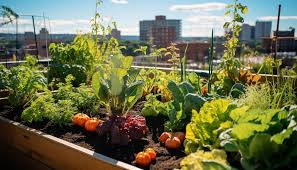
Foraging might conjure images of rustic landscapes, of forests and meadows far from the madding crowd. But as a resident of Jaipur, a city where ancient walls meet modern sprawl, I’ve come to appreciate that the urban environment is its own unique ecosystem – one surprisingly rich in overlooked, delicious, and free food. From the unassuming greens sprouting by a historical monument to the fruit-laden trees peeking over a garden wall, the city is a veritable supermarket for the observant.
My journey into urban foraging began not out of necessity, but out of curiosity. I noticed the vibrant green of bathua (lamb’s quarters) flourishing in vacant lots after the monsoons, the plump, crimson berries of jangli jalebi (Manila tamarind) hanging from trees along the roadside, and even the tender leaves of various edible weeds pushing through cracks in the pavement. It was a revelation: these weren’t just “weeds”; they were ingredients, packed with nutrients and flavors often superior to their store-bought counterparts.
But let’s be clear: this isn’t about aimlessly plucking leaves and hoping for the best. The “and How Not to Die” part of the title is crucial! Urban foraging is an art that demands respect, knowledge, and a healthy dose of caution.
Here’s the practical guide to getting started, safely:
- Know Your Plants (Absolutely, Positively Know Them!): This is non-negotiable. Invest in a good local field guide, join online foraging communities (many city-specific groups exist on social media), or even better, find an experienced local forager to mentor you. Learn to identify plants by multiple characteristics: leaf shape, flower, fruit, stem, and even smell. There are often poisonous lookalikes, so when in doubt, throw it out! Never, ever eat something you aren’t 100% sure about.
- Location, Location, Location: Think about where you’re foraging. Avoid areas near busy roads (exhaust fumes, heavy metals), industrial sites, or places that might have been sprayed with pesticides. Parks, unkempt green spaces, neglected corners of large residential areas, or even the fringes of agricultural fields within city limits can be good spots. I’ve found incredible finds growing in the less-trafficked areas around Jaipur’s various gardens and historical sites.
- Permission and Ethics: Always be respectful of private property. Foraging on public land is generally acceptable, but be mindful of signage. Take only what you need, leaving plenty for others and for the plant to regenerate. This ensures sustainability and a healthy ecosystem for years to come.
- Cleaning is Key: Urban environments can be dusty and, well, urban. Always thoroughly wash your foraged finds. A good soak in water with a dash of vinegar or salt can help remove dirt and any lingering critters.
So, what delicious surprises await you in an Indian city like Jaipur?
- Bathua (Lamb’s Quarters/Chenopodium album): A powerhouse of nutrients, these tender leaves are fantastic sautéed with garlic, added to dals, or even made into saag. They thrive in disturbed soil, often popping up after rains.
- Sarson (Mustard Greens): While often cultivated, wild mustard greens can be found and are excellent for sarson ka saag.
- Portulaca (Purslane): This succulent, slightly tangy green is amazing in salads or stir-fries. It’s incredibly hardy and often grows in pavement cracks.
- Mulberry (Shahtoot): Come spring, many urban trees burst with sweet, juicy mulberries. A delightful snack or addition to desserts.
- Neem: While bitter, the young leaves of the ubiquitous neem tree are incredibly medicinal, used in traditional remedies.
- Jangli Jalebi (Manila Tamarind): The pods contain a sweet, tangy pulp around the seeds, reminiscent of cotton candy. Look for the distinctive twisted pods.
Beyond these common finds, there’s a world of lesser-known edibles – from various types of wild amaranth to certain wild berries and even the leaves of some ornamental plants, if you know which ones are safe.
Urban foraging isn’t just about saving money on groceries; it’s about reconnecting with nature in an unexpected way. It cultivates a deeper appreciation for the resilience of plants and the subtle beauty hidden in plain sight. It turns every walk into a scavenger hunt, every open space into a potential pantry.
So, next time you step outside, take a closer look at the green shoots pushing through the concrete. With a little research, caution, and an adventurous spirit, you might just discover that your city isn’t just a concrete jungle, but a secret garden waiting to share its bounty. Happy foraging – and remember, when in doubt, don’t!
About The Author