
Sycorax: A Captivating Reimagining of Shakespeare’s Most Powerful Witch by Nydia Hetherington
⭐️⭐️⭐️⭐️ 4/5
Introduction: Reclaiming a Maligned Figure
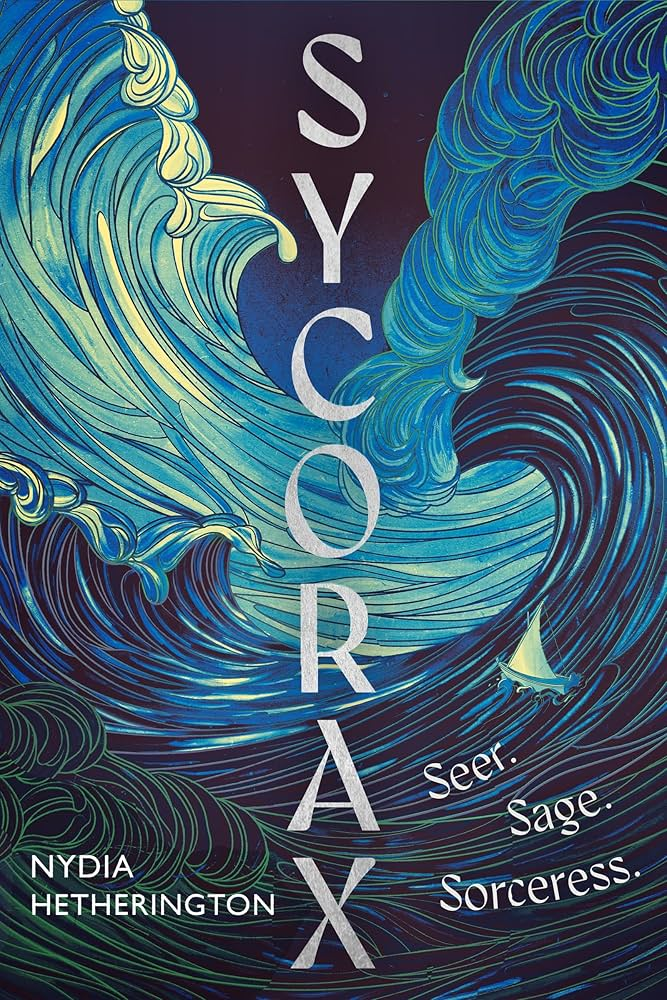
Nydia Hetherington’s Sycorax is a powerful and necessary work of literary reclamation, granting a voice, history, and visceral identity to one of Shakespeare’s most maligned and unseen characters. In The Tempest, Sycorax is merely a dark legend, a wicked witch who died on the island, leaving behind her son, Caliban, and her malevolent reputation. Hetherington daringly excavates this absent figure, transforming her from a plot device into a complex, tragic, and fiercely potent protagonist in a narrative that pulsates with mythopoeic energy and feminist critique.
Thematic Depth and Narrative Structure
The novel is structured not merely as a prequel, but as a deep exploration of motherhood, exile, and the insidious nature of patriarchal power. Hetherington’s Sycorax is introduced not as an inherently evil figure, but as an outsider, a healer and a woman of deep, earthy wisdom whose power is feared and misinterpreted by a rigid, male-dominated world. The author masterfully uses the ambiguity of the source material to craft a backstory that is both compelling and heart-breaking, detailing Sycorax’s flight from Algiers and her eventual banishment to the enchanted, yet unforgiving, island. This narrative choice reframes the central conflict of the source play: the island is not merely a stage for Prospero’s drama, but Sycorax’s hard-won domain, which she fiercely protects for her son.
Poetic Prose and Character Portrayal
Hetherington’s prose is immersive and atmospheric, perfectly capturing the untamed, elemental nature of the island. The writing often verges on poetic, relying on rich sensory detail to build a world that feels simultaneously ancient and alive. The true genius of the retelling lies in its nuanced psychological portrait. Sycorax’s isolation is palpable, and her bond with Caliban is rendered with a fierce, protective love that grounds her supernatural abilities in human emotion. This focus allows the reader to see the seeds of the tragedy that will follow, particularly how the arrival of colonizing figures, even those yet to appear, destroys the delicate ecosystem of her survival.
Minor Critiques and Major Achievements
While the novel excels in character depth and atmosphere, the pacing occasionally slackens as Hetherington leans heavily into mythic introspection, particularly in the middle chapters detailing Sycorax’s early years on the island. However, this is a minor critique in light of the book’s substantial achievements. Sycorax is not just a retelling; it is an interrogation of the history of women’s marginalization in literature and a powerful demand to re-examine the stories we have been told.
Conclusion: A Powerful Counterpoint
Ultimately, Sycorax serves as a crucial, enriching counterpoint to the Shakespearean canon. It is a haunting, beautiful, and sometimes brutal novel that demands readers confront the moral complexity of the witch stereotype. Fans of literary fiction, feminist fantasy, and revisionist myth will find Hetherington’s vision of the powerful woman scorned both captivating and unforgettable.
About The Author