Riding the AI Wave: What the Future of Work Holds for All of Us
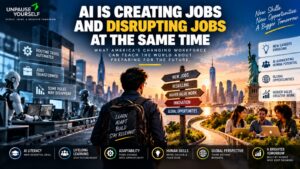
The buzzing in our ears about Artificial Intelligence (AI) isn’t just background noise anymore; it’s the soundtrack to a revolution. From chatbots helping us plan vacations to complex algorithms diagnosing diseases, AI is rapidly transforming how we live and, perhaps more significantly, how we work. The question on many minds isn’t if AI will change employment, but how deeply it will reshape our professional landscapes worldwide.

It’s easy to get caught up in the hype—or the fear. Will robots take all our jobs? Will we all need to become AI whisperers overnight? The reality, as always, is far more nuanced and, frankly, more exciting than the extremes suggest.
Beyond the Hype: A New Dawn for Productivity
Let’s start with a foundational truth: technology has always reshaped work. The agricultural revolution, the industrial revolution, the digital age – each brought anxieties about job displacement, yet each ultimately led to new industries, new roles, and a net increase in prosperity and opportunity. AI is simply the next chapter in this ongoing story.
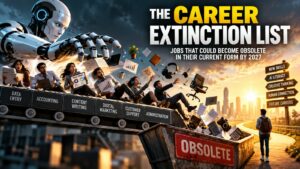
What AI excels at is automation, particularly of repetitive, data-intensive, or highly predictable tasks. This isn’t just about factory floors anymore. Think about administrative tasks, data entry, initial legal research, customer service FAQs, or even aspects of creative work like generating first drafts. When AI takes on these “boring but necessary” jobs, it doesn’t necessarily eliminate human roles; it liberates human potential.
Imagine a world where your most tedious work is handled by an AI assistant. Suddenly, you have more time for strategic thinking, creative problem-solving, deep client relationships, or developing innovative solutions that truly move the needle. This isn’t job loss; it’s a profound shift towards higher-value human contribution.
The Rise of the “Augmented” Employee
The most likely scenario isn’t humans versus AI, but humans with AI. We’re moving into an era of “augmented intelligence,” where AI tools become powerful extensions of our own capabilities.
- For Professionals: Lawyers will use AI to sift through legal precedents in seconds, providing them more time for courtroom strategy. Doctors will leverage AI for diagnostic support, allowing them to focus more on patient care and empathy. Architects will use AI to generate multiple design iterations, freeing them to perfect the aesthetic and functional aspects.
- For Skilled Trades: Even in hands-on roles, AI can play a supportive role, from predictive maintenance in manufacturing to optimized route planning for delivery drivers. Robotic co-workers can handle heavy lifting or precision tasks, making human work safer and more efficient.
This isn’t about replacing the human touch, but empowering it. It means that roles that emphasize uniquely human skills – emotional intelligence, critical thinking, creativity, complex communication, and ethical judgment – will become even more vital.
Shifting Skillsets: What We Need to Learn Next
This evolution, however, demands adaptation. The skills that were once prized might need an update.
- Digital Fluency with an AI Twist: It’s no longer enough to be computer literate; we need to be AI literate. Understanding how AI tools work, how to effectively prompt them, and how to interpret their outputs will be crucial.
- Critical Thinking & Problem Solving: When AI gives you answers, your job isn’t to blindly accept them, but to critically evaluate, refine, and apply them to complex, real-world problems.
- Creativity & Innovation: AI can synthesize existing information, but it’s human ingenuity that sparks truly novel ideas, designs groundbreaking solutions, and envisions the future.
- Emotional Intelligence & Collaboration: As routine tasks automate, the ability to lead, collaborate, empathize, and build strong relationships will be paramount. These are uniquely human strengths that AI cannot replicate.
- Adaptability & Lifelong Learning: The pace of change will only accelerate. A commitment to continuous learning and reskilling won’t be an option; it will be a necessity.
The Global Perspective: Opportunities and Challenges
Globally, the impact of AI will vary. Developed nations with robust tech infrastructures might see faster adoption and a quicker shift in labor markets. Developing nations, too, can leapfrog traditional development stages by adopting AI for everything from agriculture optimization to remote education and healthcare.
However, the “AI divide” is a real concern. Access to technology, quality education, and opportunities for upskilling will be critical to ensure that the benefits of AI are broadly shared and that no region or demographic is left behind. International cooperation on ethical AI development and workforce training will be essential.
Embracing the Future, Not Fearing It
The future of employment with AI isn’t about a dystopian landscape of joblessness. It’s about a profound restructuring of how we contribute, learn, and grow professionally. It’s an opportunity to shed the mundane and embrace work that truly taps into our unique human capabilities.
For individuals, this means proactively engaging with AI, understanding its potential, and investing in those distinctly human skills that will always be in demand. For businesses, it means strategically integrating AI to augment their workforce, fostering a culture of continuous learning, and prioritizing human-centric innovation. For governments and educators, it means reimagining curricula and policy to prepare a resilient, adaptable workforce for tomorrow.
The AI revolution isn’t coming; it’s here. And by approaching it with curiosity, a willingness to learn, and a focus on collaboration, we can collectively shape a future of work that is more productive, more fulfilling, and more human than ever before.
About The Author