
Ochi and the Orphan: A Modern Fairy Tale Built on Practical Magic
⭐⭐⭐⭐ 4/5
A Return to Hands-On Fantasy Filmmaking
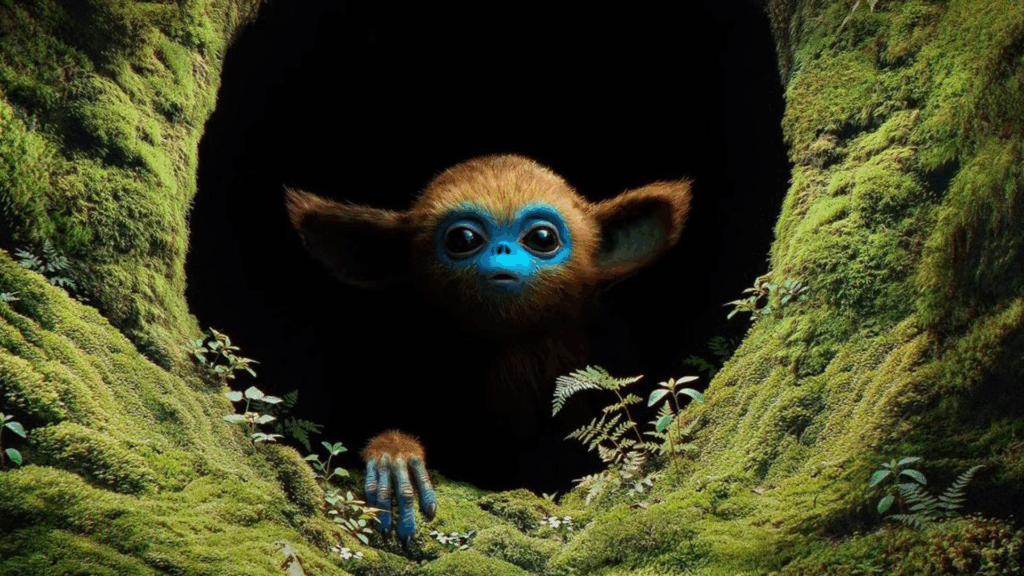
Isaiah Saxon’s feature directorial debut, The Legend of Ochi, is a stunning and unexpected throwback to the tactile fantasy adventures of the 1980s, recalling the ambitious spirit of films like The Dark Crystal and E.T. Set in the rugged, isolated fictional island of Carpathia, the film centers on a community living in fear of the elusive, primate-like creatures known as the Ochi. What immediately sets Ochi apart in the modern cinematic landscape is its devout commitment to practical effects and puppetry, crafting the titular creatures with impressive, lifelike animatronics that ground the film in a mesmerizing, tangible reality. This artistic choice pays dividends, imbuing the baby Ochi with a palpable texture and vulnerability that CGI often fails to capture.
The Divided Heart of Carpathia
The core of the narrative is the journey of Yuri (Helena Zengel), a shy farm girl raised under the harsh, militaristic authority of her father, Maxim (Willem Dafoe), who leads the local boys in relentless hunts against the Ochi. Maxim views the creatures as demons and a threat to be eliminated, a conviction fueled by personal trauma. However, when Yuri discovers a wounded, abandoned baby Ochi, she defies her father’s fear-driven dogma. Her quest to return the creature to its hidden family becomes a powerful metaphor for rejecting inherited prejudice, navigating familial alienation, and discovering her own voice—literally, as the Ochi’s musical language requires a new, emotional form of communication.
Thematic Resonance vs. Narrative Pace
The film beautifully explores themes of reconciliation, the destructive nature of fear, and humanity’s essential connection to the natural world. Willem Dafoe is captivating as the rigid, complex patriarch, and Helena Zengel anchors the film with a quiet intensity, forming a genuine bond with her animatronic co-star. However, the film is not without its flaws. Critics often point out that the story, while heartfelt and visually rich, is narratively thin and follows a familiar, if classic, “human-befriends-alien/monster” trajectory, drawing comparisons to How to Train Your Dragon. Furthermore, several human characters, including Finn Wolfhard’s Petro and Emily Watson’s Dasha, feel underdeveloped, serving more as plot devices than fully fleshed-out entities, which can sometimes mute the emotional payoff of the family reconciliation scenes.
Visionary Craftsmanship Over Conventional Plot
Ultimately, The Legend of Ochi succeeds not through groundbreaking plot twists, but through sheer imaginative execution and style. Director Saxon uses the striking visuals of the Carpathian landscapes, captured with rich cinematography, and David Longstreth’s unique, often arresting score to create an immersive, almost dreamlike atmosphere. It is a film that asks the audience to lean in, slow down, and appreciate the artistry and texture of its world. While the character arcs of the adult cast may be too brief or ambiguous for some viewers, the film’s dedication to its craft, its compelling central relationship between Yuri and the creature, and its sincere plea for empathy make it a genuinely unique fantasy offering. It’s an essential watch for those who cherish a cinematic experience where the magic feels real, created not just by computers, but by hands.
About The Author