Manipur: A Visit of Hope and Hard Questions
Imphal, Manipur – In a long-awaited and highly symbolic gesture, Prime Minister Narendra Modi made his first official visit to Manipur since the ethnic violence between the Meitei and Kuki-Zo communities erupted in May 2023. The visit, which included stops in both the Kuki-dominated Churachandpur district and the Meitei-majority capital of Imphal, aimed to bridge a deep-seated divide and signal the Centre’s commitment to peace and development in the fractured state.
A State Scarred by Conflict
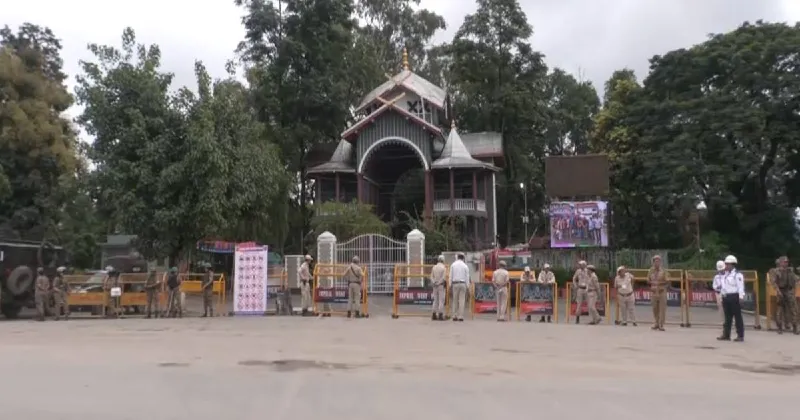
The conflict, which has claimed over 260 lives and displaced more than 60,000 people, was triggered by a Manipur High Court order suggesting the state government consider granting Scheduled Tribe (ST) status to the Meitei community. This move ignited long-simmering tensions, as tribal groups like the Kukis feared it would threaten their land rights, jobs, and political representation. The violence that followed has led to a near-complete segregation of the two communities, with thousands still living in relief camps. The state has been under President’s Rule since February 2025 following the resignation of Chief Minister N. Biren Singh.
The PM’s Dual-City Outreach
During his visit, the Prime Minister’s itinerary was carefully crafted to project an image of neutrality and a focus on all communities. He laid the foundation for development projects worth over Rs 7,300 crore in Churachandpur and inaugurated projects totaling Rs 1,200 crore in Imphal. Speaking at both locations, the Prime Minister emphasized the need to build a “strong bridge of trust” between the people of the hills and the valley.
In his public addresses, Modi acknowledged the unfortunate nature of the violence and expressed hope for a “new dawn” in the state. He announced a special rehabilitation package to assist the thousands of displaced families in rebuilding their homes and lives. He also underscored the government’s efforts to improve connectivity and infrastructure, framing these projects as essential for a stable and prosperous future.
Political Reactions: “Tokenism” vs. Cautious Welcome
The visit, while hailed by some as a step in the right direction, was met with sharp criticism from opposition parties. The Congress party was particularly vocal, with senior leaders branding the trip as “tokenism” and a “pit stop.” They argued that the visit was a belated and insufficient response to a crisis that has gone on for over two years, accusing the Prime Minister of prioritizing a public event over a genuine dialogue with the victims.
Congress President Mallikarjun Kharge accused Modi of organizing a “grand welcome ceremony for himself,” calling it a “cruel prick to the wounds of those still suffering.” Other opposition figures, while welcoming the visit, said it was “too late” and driven more by political calculations than by genuine compassion. Protests also broke out in Imphal, with demonstrators criticizing the visit as a “political ploy.”
A Path Forward?
The Prime Minister’s visit, while a significant milestone, has not erased the deep-seated grievances and mistrust that have defined the conflict. While the announcements of development projects and rehabilitation packages offer a glimmer of hope, the real test of the Centre’s commitment will lie in its ability to facilitate genuine reconciliation and address the root causes of the ethnic strife. The government’s challenge is to move beyond symbolic gestures and deliver a comprehensive, long-term solution that empowers local governance and ensures justice and security for all communities.
The people of Manipur, both in the hills and the valley, are still waiting for their mourning to end. The journey from division to harmony is long, and while a bridge of trust has been spoken of, it is yet to be built.
About The Author