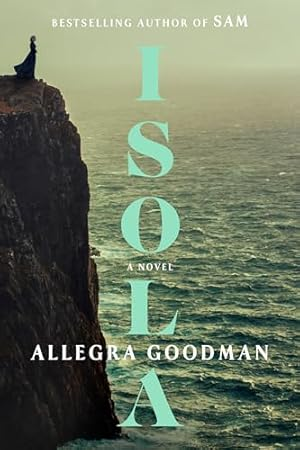
Isola: The Crucible of Creation – A Deep Dive into Allegra Goodman’s Academic World
⭐️⭐️⭐️⭐️ (4/5)
Unveiling Academia’s Intricacies
Allegra Goodman’s Isola presents a captivating and intricate narrative that delves into the complex world of academia, ambition, and the pursuit of artistic truth. Set within the confines of a prestigious summer program for young, aspiring poets, Goodman crafts a finely observed portrait of youthful talent, mentorship, and the inherent tensions that arise when passion collides with the pressures of institutional critique.
Navigating Poetic Waters: Characters and Craft
The novel centers on the enigmatic poet-in-residence, Ms. Evangeline Steadman, and a cohort of gifted students, particularly the ambitious and vulnerable Hannah Green. Goodman masterfully navigates the subtle power dynamics between teacher and student, and among the students themselves, as they grapple with their creative identities and the competitive atmosphere. The “isola” (island) of the program becomes both a sanctuary for artistic exploration and a crucible where insecurities and rivalries are amplified. Goodman’s prose is meticulously crafted, mirroring the precision and care one might expect from a poet herself. Her descriptions are vivid, her dialogue sharp, and her ability to evoke the intellectual and emotional landscape of her characters is a consistent strength.
The Quest for Authenticity in Art
One of Isola‘s most compelling aspects is its exploration of authenticity in art. The students are pushed to find their unique voices, yet they are simultaneously shaped by the expectations of their mentors and the traditions they seek to emulate. This tension between originality and influence forms the core of the narrative, prompting readers to consider what it truly means to create something new and meaningful. The characters, though sometimes frustrating in their youthful earnestness or academic pedantry, feel deeply real, their aspirations and anxieties palpable. Goodman demonstrates a keen understanding of the academic environment, deftly exposing its intellectual vibrancy alongside its occasional pretentiousness and insularity.
Pacing and Reflective Depths
While Isola shines in its character development and thematic depth, its pacing occasionally meanders, particularly in the middle sections, which might test the patience of readers accustomed to more plot-driven narratives. The focus remains heavily on internal monologues and nuanced interactions, rather than dramatic external events. However, this deliberate pace allows for a rich immersion into the characters’ psychological states and the intellectual debates that animate their world. The resolution, while subtle, provides a satisfying sense of growth and understanding for the central figures.
Final Thoughts
In conclusion, Isola is a sophisticated and thought-provoking novel that will particularly resonate with readers interested in literature, education, and the creative process. Allegra Goodman’s elegant writing and insightful portrayal of her characters make this a rewarding read, offering a nuanced glimpse into the triumphs and tribulations of nascent artistry. It’s a testament to the quiet power of words and the enduring quest for self-discovery through art.
About The Author