
H-1B Visa Lawsuit: US Chamber of Commerce Sues Trump Administration Over ‘Unlawful’ $100,000 Fee
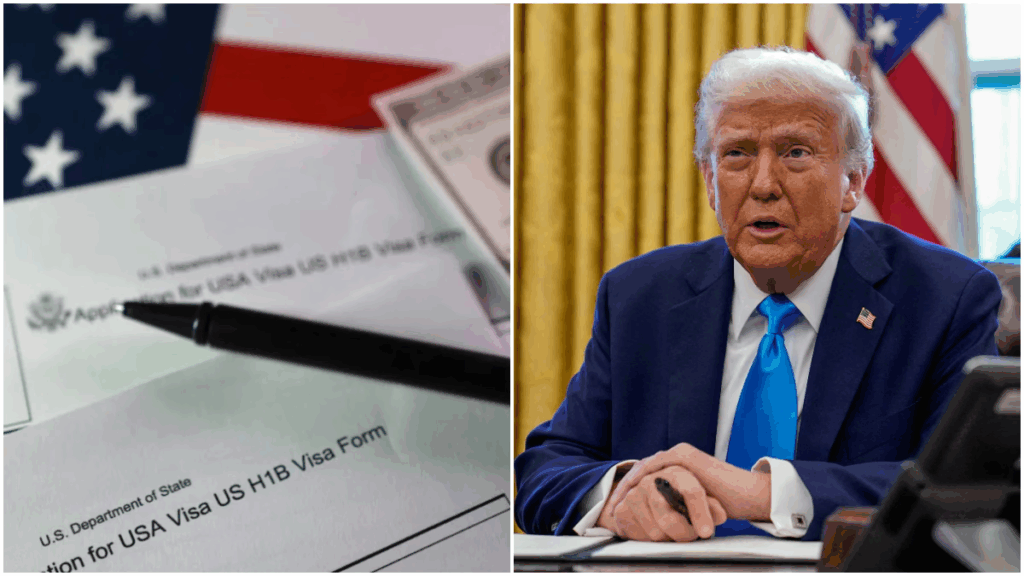
WASHINGTON, D.C. – The U.S. Chamber of Commerce has filed a major federal lawsuit against the Trump administration, challenging a newly imposed $100,000 fee for new H-1B visa applications. The influential business lobbying group asserts that the staggering increase, a dramatic jump from the previous maximum of roughly $5,000, is “plainly unlawful” and would inflict significant and immediate harm on American businesses, particularly within the technology and healthcare sectors.
The Core of the Legal Challenge
The lawsuit, filed in the U.S. District Court for the District of Columbia, argues that the President’s executive action introducing the fee exceeds the statutory authority of the executive branch and directly contravenes existing immigration law.
The Chamber’s core legal argument centers on the Immigration and Nationality Act, which dictates that visa-related charges must be commensurate with the government’s cost of processing the applications. The $\$100,000$ fee, the Chamber contends, is a revenue-generating tax, not a fee, and only Congress has the constitutional authority to levy taxes. The complaint requests a court order to block federal agencies, including the Department of Homeland Security and the Department of State, from enforcing the new measure.
Business Interests vs. Administration Policy
The new policy, announced last month by the administration, is defended as a crucial step to reform the H-1B program, deter companies from misusing the system to replace American workers with cheaper foreign labor, and ultimately prioritize U.S. job seekers. White House officials have stated the fee is a necessary measure to ensure the visa is used only for the “best of the best” talent that cannot be found domestically.
However, the Chamber, representing a vast array of U.S. businesses, argues the fee will have the opposite effect. Neil Bradley, Executive Vice President and Chief Policy Officer at the U.S. Chamber, stated that the cost would make it “cost-prohibitive” for employers, especially start-ups and small-to-midsize businesses, to hire highly skilled foreign professionals in critical fields like engineering, computer science, and specialized medicine.
- Financial Burden: The one-time fee, which applies only to new H-1B petitions and not renewals, represents a potential $100,000 cost absorbed by the employer per hire. Companies warn this will either inflate labor costs dramatically or force them to severely curtail hiring for specialized positions.
- Talent Drain Risk: Business leaders fear the policy will create a “brain drain,” pushing highly sought-after international talent toward economic rival nations like Canada and Germany, which are actively recruiting skilled immigrants with more favorable visa policies.
- Sector Impact: The technology sector, which heavily relies on the H-1B program to fill specialized roles (with Indian nationals being the largest group of recipients), will be most acutely affected.
A Defining Clash on Immigration and Labor
The lawsuit represents one of the most significant legal challenges yet by the organized U.S. business community against the administration’s aggressive immigration and labor policies. While the Chamber has supported other pro-business initiatives, this action underscores a fundamental disagreement over the government’s role in regulating the high-skilled workforce pipeline.
The outcome of the legal challenge will be closely watched, as it will determine the immediate future of the H-1B program and could redefine the long-term access of American companies to the global talent pool. For thousands of foreign professionals and the companies that seek to employ them, the enforcement of the $100,000 fee hinges on a pending judicial decision that will weigh executive authority against Congressional mandate and the economic health of American innovation.
About The Author