Global Plastic Pollution Treaty Talks Conclude Without Deal in Geneva
Geneva, Switzerland – Hopes for a landmark international treaty to combat plastic pollution have been dashed as negotiators concluded their latest round of talks in Geneva without reaching a consensus. The eleventh day of discussions at the United Nations office ended with delegates failing to finalize the critical agreement, with calls now urging nations to “hold the line” as the crisis continues to escalate.
A Stalled Effort for Global Environmental Protection
The negotiations, which have been ongoing, aimed to establish a legally binding international instrument to address the pervasive issue of plastic pollution, a crisis threatening ecosystems, wildlife, and human health worldwide. Environmental advocates, scientists, and numerous governments had anticipated a breakthrough, recognizing the urgent need for a unified global approach to curb the production and proliferation of plastic waste. However, deep divisions among participating nations on key aspects of the treaty ultimately prevented a deal from being struck.
Key Sticking Points and Disagreements
Sources close to the negotiations indicate that significant disagreements revolved around several core issues. These included the scope of the treaty, particularly whether it should focus primarily on waste management and recycling, or also address the reduction of virgin plastic production at its source. Industrialized nations and major plastic-producing countries reportedly resisted stricter limits on production, advocating instead for solutions centered on downstream management. Conversely, many developing nations and environmental groups pushed for ambitious targets to curb production, emphasizing the disproportionate impact of plastic pollution on their communities and environments.
Another contentious point was the mechanism for financial assistance and technology transfer to aid developing countries in transitioning away from plastics and managing existing waste. The lack of concrete commitments and sufficient funding pledges further exacerbated the impasse, leaving many nations feeling unsupported in their efforts to implement effective anti-pollution measures.
Implications of the Failure
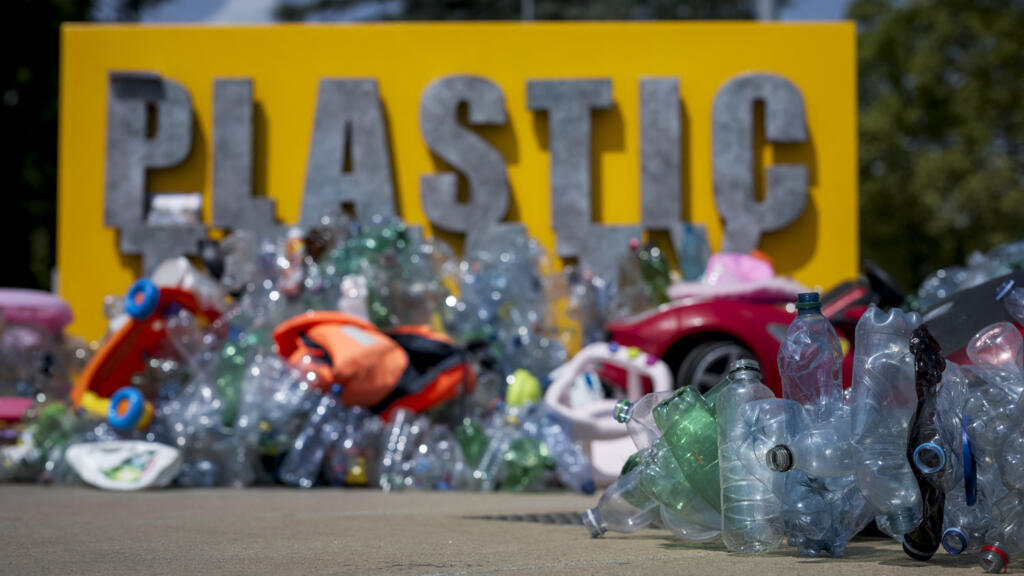
The failure to reach an agreement has been met with disappointment from environmental organizations, who warn of severe consequences for global ecosystems if a comprehensive treaty is not established soon. The continuous accumulation of plastic waste in oceans, landfills, and even remote natural areas poses long-term threats, including biodiversity loss, soil degradation, and potential human health impacts through microplastic ingestion. Without a binding international framework, individual national efforts may prove insufficient to tackle the transboundary nature of plastic pollution.
The outcome of these talks also highlights the complex interplay between economic interests, national sovereignty, and environmental imperatives on the global stage. Achieving consensus on such far-reaching environmental policies often requires significant compromises that nations are not always willing to make, especially when faced with domestic economic pressures.
The Path Forward: Holding the Line
Despite the setback, proponents of the treaty remain hopeful that future rounds of negotiations will eventually lead to a breakthrough. The call to “hold the line” suggests a determination to maintain momentum and pressure for a strong, effective agreement. Future discussions will likely require a renewed commitment from all parties to bridge the existing divides and find common ground that balances environmental protection with economic realities. The global plastic pollution crisis continues, and the urgency for a unified response remains paramount.
About The Author