Frozen Fury: Ice Road: Vengeance Review
⭐⭐⭐ 3/5
The Inevitable Return to the Ice
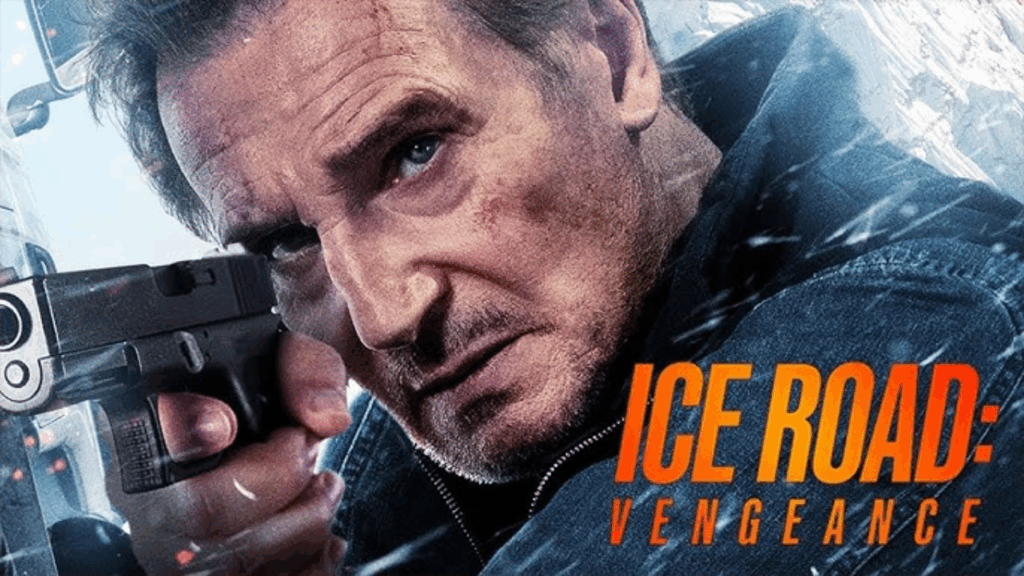
Jonathan Hensleigh’s Ice Road: Vengeance brings the grizzled, blue-collar action hero Mike McCann, played dependably by Liam Neeson, back for another high-stakes battle against impossible odds. Serving as a direct follow-up to the 2021 Netflix thriller The Ice Road, this sequel shifts the central conflict away from a race against nature’s fury and firmly into the territory of a calculated, personal vendetta. While it trades some of the original’s unique environmental jeopardy for more conventional action choreography, Vengeance largely succeeds as a streamlined, efficient, and thoroughly satisfying B-movie thriller, capitalizing on the reliable Neeson formula.
Plot and Execution: Frozen Fury
The narrative is constructed around McCann’s attempt to lead a quiet, post-traumatic life in Manitoba, only to be drawn back into conflict when forces connected to the original film’s conspirators seek retribution. The premise is simple: the enemies of his past refuse to stay buried, forcing him to become an unwilling participant in a deadly chase across the desolate terrain of the Black Hills. Hensleigh, who also penned the script, wastes little time on exposition, thrusting McCann immediately into survival mode. This direct approach is a strength, ensuring a lean runtime and a perpetually escalating sense of danger.
Neeson’s performance as Mike McCann is exactly what the audience expects and desires. He embodies the archetype of the world-weary man of action—a quiet professional whose unique skillset (driving trucks, engineering, and, naturally, extreme violence) is perfectly suited to the brutal setting. His taciturn delivery and imposing physical presence ground the often-implausible situations in a sense of stoic necessity. The supporting cast members fulfill their roles as effective, if somewhat underdeveloped, antagonists, providing menacing counterpoints to McCann’s methodical defense.
Action and Pacing: A Tight Thriller
Where the first film relied heavily on the tension derived from the precarious stability of the ice. a ticking clock element driven by physics, Vengeance opts for a more traditional hunter-hunted dynamic. The action sequences are well-staged, often utilizing the vast, isolating landscapes to great effect. There are fewer moments of structural collapse and more reliance on vehicular combat, close-quarters fighting, and clever use of the industrial environment (trucks, logging equipment, and the unforgiving wilderness). Hensleigh maintains a brisk pace, preventing the familiar tropes of the genre from becoming stale. The film understands its lane: delivering maximum thrills with minimal narrative fuss.
Technically, the cinematography highlights the oppressive cold and the beautiful, yet dangerous, geometry of the ice roads. The practical effects and stunts are prioritized over excessive CGI, lending a necessary weight and realism to the collisions and fights. The sound design, particularly the groaning of metal and the crunch of snow, enhances the visceral feel of the environment.
Conclusion: A Formula Refined
Ice Road: Vengeance is not a film that attempts to reinvent the wheel, but rather polish its rims and give it better traction. It embraces the action-thriller conventions established by Neeson’s late-career resurgence, offering a dark and relentless cinematic experience. For those who enjoyed the original film’s premise and appreciate a straightforward, no-nonsense thriller led by an icon of the genre, this sequel delivers precisely what is advertised. It’s a solid, entertaining entry into the frozen sub-genre of action films—a perfect piece of popcorn entertainment for a cold night.
About The Author