
Diplomatic Storm: Netanyahu Escalates Attack on Albanese Amidst Palestine Recognition
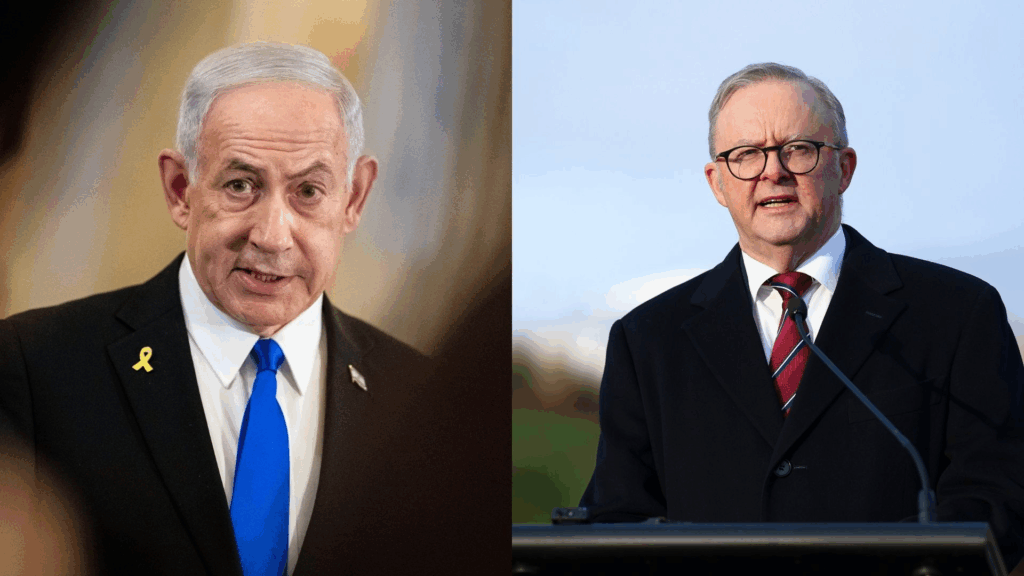
Sydney/Jerusalem – A deepening diplomatic rift between Israel and Australia has escalated sharply, with Israeli Prime Minister Benjamin Netanyahu launching scathing personal attacks on his Australian counterpart, Anthony Albanese. The extraordinary public rebuke comes in the wake of Australia’s decision to conditionally recognize a Palestinian state, a move that has ignited fury in Jerusalem and triggered a tit-for-tat exchange of diplomatic actions.
The Genesis of the Spat
Tensions between the two traditionally allied nations have been simmering for months, largely fueled by Australia’s growing concern over the humanitarian crisis in Gaza and Israel’s ongoing military offensive. The breaking point arrived with Australian Prime Minister Anthony Albanese’s announcement on August 11 that his government would formally recognize the State of Palestine at the upcoming 80th Session of the United Nations General Assembly in September. This decision aligns Australia with a growing number of Western nations, including France, Britain, and Canada, that have signaled similar intentions, aiming to bolster momentum towards a two-state solution.
Netanyahu’s Fiery Condemnation
In a series of blistering remarks and a letter, later broadcast on Sky News Australia, Prime Minister Netanyahu accused Albanese of having “forever tarnished” his reputation and showing “weakness in the face of these Hamas terrorist monsters.” He further alleged that Albanese had “betrayed Israel and abandoned Australia’s Jews.” Netanyahu’s comments reportedly referenced a disputed statement (which Hamas later denied) quoting a Hamas co-founder praising Albanese for his “political courage.” The Israeli leader equated Australia’s recognition of Palestine to “appeasement” and drew controversial parallels to historical events prior to World War II, stating, “It is wrong because to offer [Hamas] a state… is to reward terrorism.”
Australia’s Firm Response and Counter-Actions
Australia has not remained silent in the face of these accusations. Home Affairs Minister Tony Burke strongly rebuked Netanyahu, asserting that “strength is not measured by how many people you can blow up or how many children you can leave hungry.” While Albanese himself attempted to de-escalate, stating he doesn’t “take these things personally” and that he treats leaders diplomatically, his government’s actions underscore their resolve.
Prior to Netanyahu’s intensified attacks, Australia cancelled a visa for Simcha Rothman, a far-right Israeli lawmaker, citing concerns that his planned speaking tour aimed to “spread division.” In retaliation, Israel revoked the visas of Australian diplomats to the Palestinian Authority, marking a clear escalation of the dispute.
Calls for Calm and Broader Implications
The escalating war of words has drawn concern from within Australia, with the Executive Council of Australian Jewry urging both prime ministers to address their differences through diplomacy rather than “public posturing.” They emphasized that the Australian Jewish community should not be left to deal with the fallout of a spat between leaders potentially playing to domestic audiences.
The diplomatic spat highlights the increasing pressure Israel faces from international allies over its military actions in Gaza, which have reportedly resulted in over 60,000 Palestinian deaths and widespread displacement. Netanyahu, who is also facing global calls to reconsider military operations in Gaza City, appears intent on pushing forward despite international concerns.
This diplomatic crisis not only strains bilateral relations but also raises questions about the broader implications for international efforts toward peace in the Middle East. As both leaders stand firm on their positions, the international community watches closely for signs of de-escalation or further divergence between these key players.
About The Author