
Beyond the Buzzwords: Crafting a Resume That Actually Gets Noticed by a Government Recruiter
So, you’re eyeing a government job? Smart move! The stability, benefits, and chance to serve the public can be incredibly appealing. But let’s be real: applying for government roles often feels like stepping into a bureaucratic maze, especially when it comes to your resume. Forget those generic templates! Government recruiters aren’t looking for flashy designs or creative fonts; they’re looking for very specific information, presented in a very specific way.
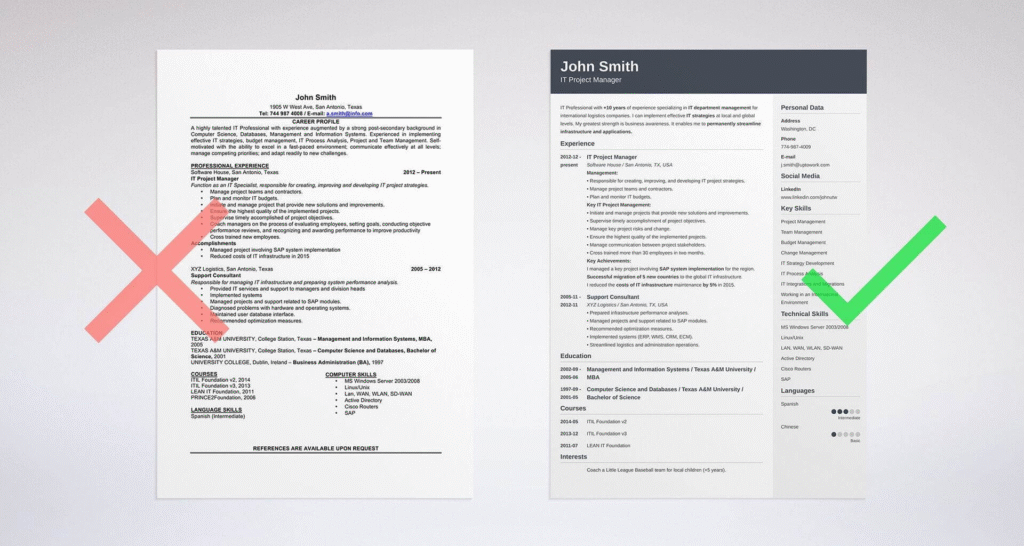
This isn’t about buzzwords; it’s about making your qualifications scream “I’m the one!” to a recruiter who might be sifting through hundreds of applications. Here’s how to tailor your resume to actually get noticed.
Understand the “Why”: The HR Specialist’s Lens
Before you even open your word processor, understand who’s reading your resume first: likely an HR specialist, not necessarily the hiring manager. Their job is to quickly match your resume to the keywords and requirements explicitly listed in the job announcement. They often use Applicant Tracking Systems (ATS) that scan for these very terms. If your resume doesn’t hit enough of them, it might not even make it to a human eye.
Deconstruct the Job Announcement: Your Blueprint
The government job announcement isn’t just a description; it’s your cheat sheet. Every single word matters.
- Highlight Keywords: Go through the announcement line by line. What are the key skills, responsibilities, software proficiencies, and qualifications mentioned? Highlight or list them out. These are the exact terms you need to integrate into your resume.
- Match Language Exactly: If the announcement says “project management software,” don’t just put “Jira” (unless it explicitly mentions Jira). Use the broader term first, then you can specify your experience with Jira. If it says “develop policies and procedures,” ensure your bullet points use that precise phrasing.
- Prioritize Requirements: The announcement often lists requirements in order of importance. Mirror this priority in how you present your skills and experiences. Address the most critical requirements early in your resume.
Ditch the Fluff: Focus on Relevant Achievements
Government recruiters value clarity and concrete evidence.
- Quantify Everything: This is perhaps the most crucial tip. Instead of saying “managed projects,” say “Managed 5 key projects concurrently, resulting in a 15% increase in efficiency.” Numbers make your achievements tangible and impressive.
- Focus on Impact: Don’t just list duties. Describe the impact of your work. What problem did you solve? What improvement did you bring about? How did your actions benefit your previous organization?
- Eliminate Irrelevant Experience: While a chronological resume is generally preferred, if a job from 15 years ago has absolutely no bearing on the government role you’re applying for, consider shortening its description or omitting it entirely if your more recent experience is robust. Space is valuable.
Structure for Success: Make It Easy to Scan
Government resumes can sometimes be longer than private sector ones (often up to 5 pages for federal, though check agency guidelines!). But longer doesn’t mean rambling.
- Contact Information: Clear and concise at the top.
- Summary/Objective (Optional but Recommended): A brief, powerful paragraph (or bulleted list) at the top that directly addresses the job’s key requirements and highlights your most relevant qualifications. This is your chance to immediately grab attention. Tailor this heavily for each application.
- Work Experience: For each role, include:
- Job Title
- Employer Name
- Location (City, State)
- Dates of Employment (Month/Year to Month/Year)
- Crucially: Use action verbs at the start of each bullet point (e.g., “Developed,” “Managed,” “Analyzed,” “Implemented”).
- Education: List degrees, institutions, and graduation dates.
- Skills Section: Create a dedicated section for technical skills (software, programming languages) and relevant soft skills. Again, use keywords from the job announcement.
Common Pitfalls to Avoid
- Overly Casual Tone: Maintain a professional and formal tone throughout.
- Generic Templates: Using a standard template that isn’t optimized for government applications is a common mistake.
- Not Addressing KSAOs (Knowledge, Skills, Abilities, Other Characteristics): Many federal applications require you to directly address KSAOs in a separate section or integrated into your resume. Pay close attention to this.
- Typos and Grammatical Errors: Proofread, proofread, proofread! A single error can disqualify an otherwise strong candidate. Use online tools, but also have a friend or colleague review it.
- PDF Conversion Issues: Always save your final resume as a PDF to preserve formatting, but check it carefully after conversion to ensure nothing shifted or became unreadable.
Crafting a government resume is less about creativity and more about precision and strategic alignment with the job announcement. Treat the announcement as your roadmap, and every bullet point on your resume as a direct answer to its demands. Do this, and you’ll significantly increase your chances of moving past the initial screening and onto the next stage of your government job journey.
About The Author