An Unfiltered Chronicle of Modern Romance: A Review of 12 Years: My Messed-Up Love Story
Rating: ⭐⭐⭐ 3/5
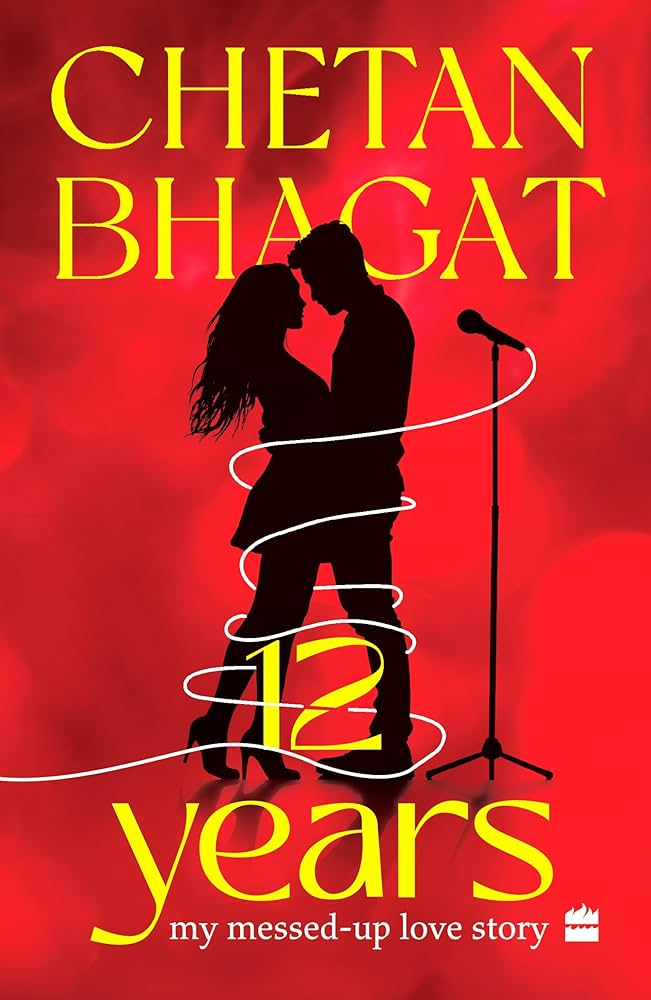
Chetan Bhagat, a name synonymous with commercial success and relatable fiction in Indian English literature, takes a significant departure from his previous works with 12 Years: My Messed-Up Love Story. Instead of the fictional campus drama or socio-political satire, this book is presented as an unfiltered, semi-autobiographical chronicle detailing the author’s twelve-year-long, turbulent relationship with his future wife, Anusha. The central promise of the memoir is to reveal the messy, unromanticized reality of navigating a protracted commitment that spans professional ambition, geographical separation, familial expectations, and emotional exhaustion. While the book succeeds admirably in delivering raw emotional resonance that will deeply connect with his devoted readership, it occasionally struggles with the structural discipline and nuanced introspection expected of higher-order non-fiction.
Emotional Authenticity and Relatability
The book’s greatest strength lies in its relentless commitment to authenticity. Bhagat strips away the typical veneer of romantic perfection often found in commercial literature and exposes the grinding reality of a long-term, high-stakes relationship. He vividly details the petty arguments, the existential fears about career and future, and the sheer fatigue of maintaining a transatlantic romance. This candor transforms the narrative from a mere personal recollection into a relatable roadmap for young Indian adults facing similar pressures—particularly the conflict between personal desires and parental expectations. Bhagat’s characteristic conversational and highly accessible prose ensures that the difficult emotional landscape is rendered immediately understandable, forging a powerful, albeit simple, connection with the reader. The narrative style functions less as polished literature and more as a trusted friend sharing difficult truths over coffee.
Structural Limitations and Pacing
However, the “messy” descriptor in the title applies not only to the relationship but, at times, to the book’s execution. Unlike Bhagat’s novels, which benefit from tight plot arcs and cliffhangers, the memoir’s structure occasionally feels disjointed. The chronological recounting of events sometimes lacks the necessary narrative shape, leading to sections that read more like diary entries than a curated, reflective work of non-fiction. The sheer volume of mundane details, while contributing to the overall sense of reality, occasionally impedes the pacing. A professional editor’s tighter hand might have elevated the narrative, pruning repetitive emotional loops and giving greater weight to the pivotal moments of crisis and reconciliation. Furthermore, the analysis of the cultural and social forces impacting the relationship often remains superficial, missing an opportunity to transcend the personal anecdote and offer deeper commentary on modern Indian societal shifts.
Conclusion
12 Years: My Messed-Up Love Story is an essential read for Chetan Bhagat’s existing audience and anyone interested in the non-linear realities of modern commitment. It is successful because it refuses to sanitize love, presenting instead the difficult, unglamorous work required to make a partnership last. While it may not satisfy readers seeking profound literary merit or complex structural innovation, its value lies in its unpretentious, honest, and immensely relatable portrayal of a flawed yet enduring romance. Bhagat’s most personal work to date offers validation and companionship to every reader who has ever felt that their own love story was, quite beautifully, messed up.
About The Author