
A Shattered Kaleidoscope of Longing: A Review of The Loneliness of Sonia and Sunny
⭐⭐⭐⭐ 4/5
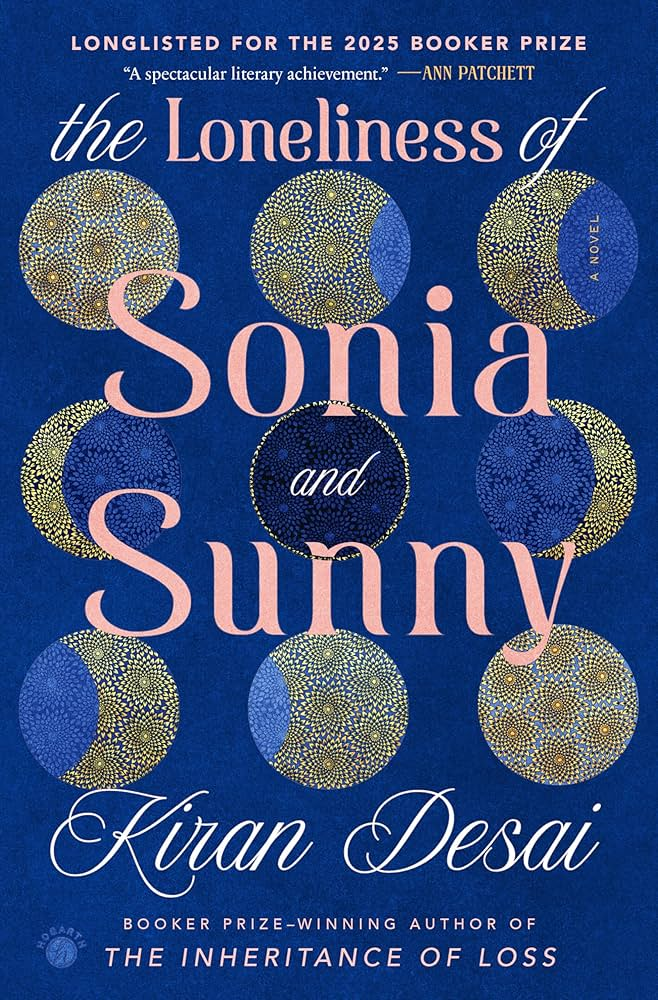
The Loneliness of Sonia and Sunny confirms Kiran Desai’s stature as a masterful chronicler of diaspora, class anxiety, and the profound ache of displacement. This novel is not merely a story of two siblings but a sprawling, emotionally complex portrait of modern yearning, spanning continents and generations. Desai manages to compress the weight of the global experience, economic insecurity, cultural alienation, and the elusive dream of belonging, into the intimate, often strained, relationship between the titular characters. The result is a work of fiction that is both deeply moving and intellectually resonant, prompting reflection on where, and how, one truly finds home.
The Anatomy of Emotional Distance
The central triumph of the novel lies in its unflinching examination of Sonia and Sunny, two lives shaped less by shared familial history and more by disparate geographical and economic destinies. Sonia, perhaps the more grounded of the two, represents the immigrant who seeks stability through assimilation, often at the cost of erasing her own roots. Sunny, conversely, embodies a restless, almost poetic form of yearning, stuck between the pull of his birthplace and the gravitational promise of a distant modernity. Desai uses their complex bond—a mix of resentment, obligation, and reluctant love—as a scalpel to dissect the interior lives of those caught between worlds. Their loneliness, as the title suggests, is not just individual but a collective symptom of a world increasingly fractured by distance and expectation, where even those closest to us remain emotionally distant.
Geography as a Character
Desai employs setting not just as a backdrop, but as an active, volatile character that dictates the fate and feelings of its inhabitants. The narrative fluidly shifts between the vibrant, suffocating reality of a developing nation and the antiseptic, isolating sprawl of the West. This geographical contrast brilliantly magnifies the novel’s core themes. The initial setting is portrayed with a vivid, almost overwhelming sensory richness that contrasts sharply with the cold, functional landscapes the characters later inhabit. This structural device argues that displacement is not just about moving from Point A to Point B; it is about the constant, debilitating calibration of self against new and alien environments. The settings themselves become silent commentators on the character’s internal strife, reflecting the impossibility of shedding one identity while fully adopting another.
The Intimate Epic of Desai’s Prose
Kiran Desai’s writing style is the engine that drives this emotionally rich narrative. Her prose is exquisite, lyrical without being sentimental, and sharp without being cynical. She moves seamlessly from moments of piercing pathos to flashes of dark, acerbic humor, allowing the reader moments of catharsis amidst the prevailing sadness. It is this balance that prevents the novel from becoming overly heavy. Desai possesses a rare gift for weaving dense sociological observation into dialogue and description, making grand themes of globalization feel intensely personal. Every sentence is carefully crafted, inviting the reader to linger and absorb the sensory detail. This intricate tapestry of language elevates The Loneliness of Sonia and Sunny from a mere family saga into an intimate epic about what it means to be alive and searching in the 21st century.
Final Verdict
The Loneliness of Sonia and Sunny is a powerful, necessary novel that speaks volumes about the human condition in an age of constant flux. It is a slow-burn narrative, demanding patience, but offering immense rewards. Desai does not offer easy answers or tidy resolutions; instead, she gifts the reader a profound understanding of the beautiful, agonizing complexity of cultural identity and the burden of expectation. This is essential reading for anyone interested in contemporary literary fiction and the lasting psychological effects of immigration.
About The Author