The Hidden Cost of the ‘Hustle Culture’: Why We Need a Counter-Movement
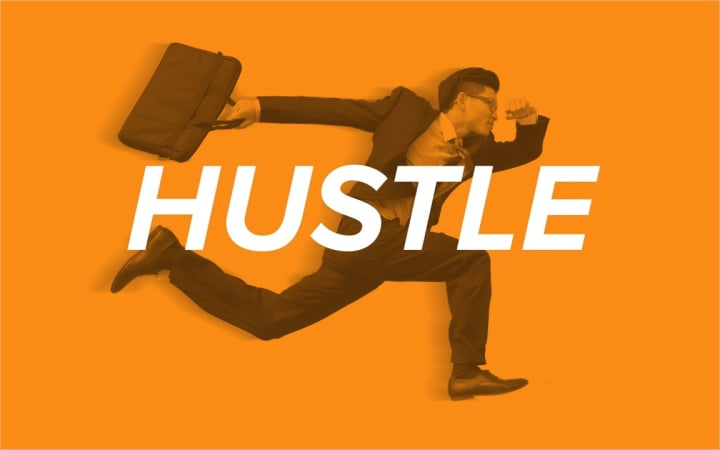
For over a decade, the mantra of “the grind” has dominated professional discourse. Driven by social media and the myth of the 24/7 entrepreneur, “hustle culture” glorifies relentless activity, equates busyness with importance, and defines self-worth purely by output. On the surface, it’s about ambition. Beneath the veneer, however, lies a complex and costly paradox: the more we push ourselves past sustainable limits, the less effective, and more damaged, we become.
The time has come to expose the true, hidden cost of this exhausting ideology and embrace a counter-movement rooted in well-being and genuine achievement.
The Personal Toll: An Epidemic of Burnout
The most immediate and destructive cost of hustle culture is the rapid escalation of burnout. This isn’t just feeling tired; it is a serious syndrome, recognized by the World Health Organization, characterized by chronic emotional exhaustion, cynicism, and reduced professional efficacy.
When work becomes life’s single purpose, the internal pressure is immense. Individuals begin to feel guilt during downtime, suffer from sleep deprivation, and neglect personal relationships, trading long-term health for short-term achievement. According to recent surveys, a staggering 65-77% of professionals report having experienced burnout in their current roles. This exhaustion is not only shattering mental health, leading to increased rates of anxiety and depression, but it also compounds physical health risks, from weakened immunity to stress-related ailments.
We are, quite literally, paying for the hustle with our health.
The Business Paradox: Efficiency’s Worst Enemy
Ironically, hustle culture often damages the very thing it promises to deliver: maximized productivity. The belief that more hours equal more output is a dangerous fallacy. Working past a certain point, usually around 50 hours a week, yields rapidly diminishing returns.
Overworked minds are error-prone, struggle with complex problem-solving, and lack the mental space required for innovation. When teams are running on fumes, creativity crumbles. Studies show that chronically exhausted employees are significantly less likely to contribute breakthrough ideas. Businesses operating under this toxic framework experience higher rates of turnover, increased absenteeism, and a decline in the overall quality of work. It turns out that a company’s long-term success relies not on frazzled intensity, but on sustainable, rested excellence.
The Counter-Movement: Redefining Success
In response to this societal weariness, a powerful counter-movement is quietly gaining momentum. Terms like “quiet quitting”, which simply means doing the work defined by one’s job description without adopting the culture of unpaid overtime, signal a collective re-establishment of boundaries.
This movement is a necessary rebellion that calls for redefining what success truly means:
- Prioritize Quality Over Quantity: Focus on impactful work and eliminating “busy work.” True achievement is measured by results, not by hours logged in a seat.
- Set Non-Negotiable Boundaries: Treat rest, exercise, and time with loved ones as essential appointments that cannot be canceled. Leaders must model this behavior to normalize unplugging.
- Value “Being” Over “Doing”: Recognize that self-worth is inherent, not tied to a to-do list. Rest is not a reward; it is a fundamental requirement for the brain to consolidate learning and maintain focus.
The era of equating exhaustion with excellence must end. For individuals and organizations alike, the sustainable path forward demands a fundamental shift: valuing clarity over chaos, rest over relentless grind, and humanity over the hustle. The goal is not to stop being ambitious, but to be ambitious in a way that allows us to thrive, not just survive, in the long run.
About The Author