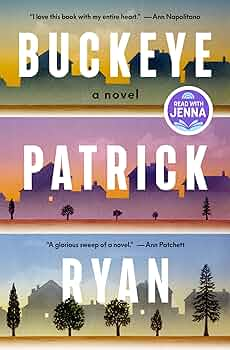
Beyond the Field: Unpacking Patrick Ryan’s Buckeye
⭐⭐⭐⭐ 4/5
Introduction & Summary
In his poignant novel, Buckeye, author Patrick Ryan masterfully dissects the complex intersection of masculinity, identity, and loyalty against the vivid backdrop of 1960s America. More than a simple sports narrative, the book serves as a profound coming-of-age story, following protagonist Tommie as he navigates the high-stakes world of Ohio State football while grappling with the quiet turmoil of his inner life. Ryan’s prose is both evocative and economical, painting a detailed picture of the era’s social pressures and personal sacrifices, making for a compelling and emotionally resonant read that extends far beyond the stadium lights.
Character & Conflict
The narrative is centered on Tommie, a star football player whose life is meticulously built on a foundation of expectation and performance. He is the quintessential American hero in the eyes of his community, a symbol of strength and athletic prowess. However, Ryan immediately introduces a subtle tension, revealing Tommie’s deep-seated secrets and anxieties that exist in stark contrast to his public image. The core conflict is not a rival team but Tommie’s struggle to reconcile his authentic self with the rigid definition of manhood thrust upon him by his family, his coach, and society at large. This internal battle is brilliantly paralleled by the external pressures of the Vietnam War, which looms over the lives of Tommie and his teammates, adding another layer of complexity to their choices and identities.
Setting & Style
What distinguishes Buckeye is Ryan’s remarkable ability to craft a sense of time and place with striking authenticity. The reader is transported to the locker rooms, the training fields, and the small-town diners of Ohio, each setting feeling alive and integral to the story. The dialogue is sharp and natural, capturing the cadence of the era and revealing the nuanced relationships between the characters. Ryan avoids clichéd tropes, instead building characters with genuine depth and conflicting motivations. From the stoic coach to Tommie’s troubled father, each figure contributes to the central theme, illustrating how societal norms and expectations can shape, and sometimes suffocate, individual spirit.
Pacing & Themes
While the pacing can feel deliberate at times, this serves to underscore the gradual, internal nature of Tommie’s journey. The novel’s greatest strength lies in its emotional honesty and its refusal to offer easy answers. It’s a testament to the quiet bravery required to live authentically in a world that demands conformity. Ryan demonstrates a keen understanding of the human heart, and his exploration of familial bonds, friendship, and the difficult process of self-discovery is both powerful and moving.
Conclusion
In conclusion, Buckeye is a beautifully written and thought-provoking novel that transcends its genre. It is a must-read for anyone interested in a character-driven story that thoughtfully examines themes of identity and courage against a rich historical canvas. Patrick Ryan has delivered a novel that is both a nostalgic glimpse into the past and a timeless reflection on the struggle to become one’s true self.
About The Author