Beyond the Ballot Box: Making Your Voice Heard
In a democratic society, the act of voting is often celebrated as the cornerstone of civic duty. It’s the moment we collectively choose our representatives and shape the future of our government. But what happens in between elections? How do citizens remain politically engaged and hold their leaders accountable? The truth is, political participation is far more expansive than casting a ballot. True civic power lies in the consistent, diverse actions we take to make our voices heard every day.
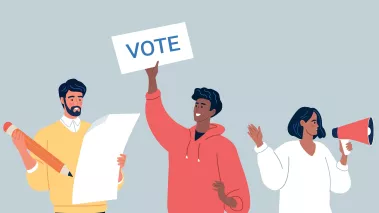
Voting is a crucial but infrequent event. It’s the destination, but the journey toward political change is ongoing. While voting determines who holds power, other forms of participation influence how that power is used. These actions can be categorized into several key areas, each offering a unique way for individuals to contribute to the political landscape.
Direct Advocacy and Community Organizing
Direct advocacy involves communicating with elected officials and policymakers. This can take many forms, from sending a simple email to scheduling a face-to-face meeting. A well-researched, polite, and persistent message to a representative’s office can have a significant impact. It’s a direct way to voice your concerns, suggest policy changes, and provide personal anecdotes that illustrate the real-world effects of a particular issue.
Community organizing, on the other hand, is about building collective power. It involves bringing people together around a shared cause, whether it’s advocating for a new park, protesting a local zoning decision, or rallying for better public transportation. This type of grassroots work is essential for mobilizing public support and demonstrating a collective will that no single voice can replicate.
Protests, Demonstrations, and Public Expression
Throughout history, peaceful protests and demonstrations have been powerful engines for social change. They serve as a highly visible and symbolic way to express dissent, raise awareness, and challenge the status quo. From the Civil Rights Movement to modern-day climate marches, public demonstrations put issues in the spotlight, forcing politicians and the media to take notice. While some may dismiss them as ineffective, they are a fundamental right in a free society and a critical tool for giving voice to marginalized communities.
Volunteering and Campaign Work
The engine of any political campaign runs on the dedication of its volunteers. From phone banking and door-to-door canvassing to social media outreach, volunteers are on the front lines, engaging directly with voters and shaping public opinion. Volunteering is a hands-on way to support a cause or candidate you believe in, and it provides an invaluable education in the mechanics of political campaigns and the issues at stake.
This is also a form of participation that allows you to see the immediate results of your efforts. When you help register a new voter or persuade a neighbor to support a cause, you are directly contributing to the democratic process in a tangible way.
Digital Activism and Information Sharing
In the digital age, political participation has extended to our screens. Social media platforms have become a primary tool for organizing, sharing information, and engaging in political discourse. Hashtag campaigns can bring global attention to local issues, crowdfunding can support grassroots movements, and online petitions can quickly gather support for a cause. While digital activism has its challenges—such as the risk of misinformation—it also offers an unprecedented ability to connect with like-minded individuals and amplify messages on a massive scale.
Civic Education and Community Dialogue
Perhaps one of the most underrated forms of political participation is the simple act of engaging in respectful, informed dialogue. Discussing political issues with friends, family, and colleagues helps to clarify your own beliefs and understand different perspectives. By seeking out and sharing factual information, you contribute to a more informed and engaged citizenry. Supporting and participating in local civic education initiatives, like town halls or community forums, also helps build a foundation of knowledge and mutual respect essential for a healthy democracy.
A Holistic Approach to Civic Duty
Ultimately, a robust and healthy democracy requires more than just a trip to the voting booth every few years. It demands a continuous and diverse effort from its citizens. While voting is the culmination of our political engagement, the actions we take in between, protesting, volunteering, advocating, and educating, are what truly shape our society. By embracing these various forms of participation, we move beyond passive observation and become active creators of the political world we inhabit.
About The Author