The 5 Pillars of Self-Discipline: The Engine for Long-Term Development
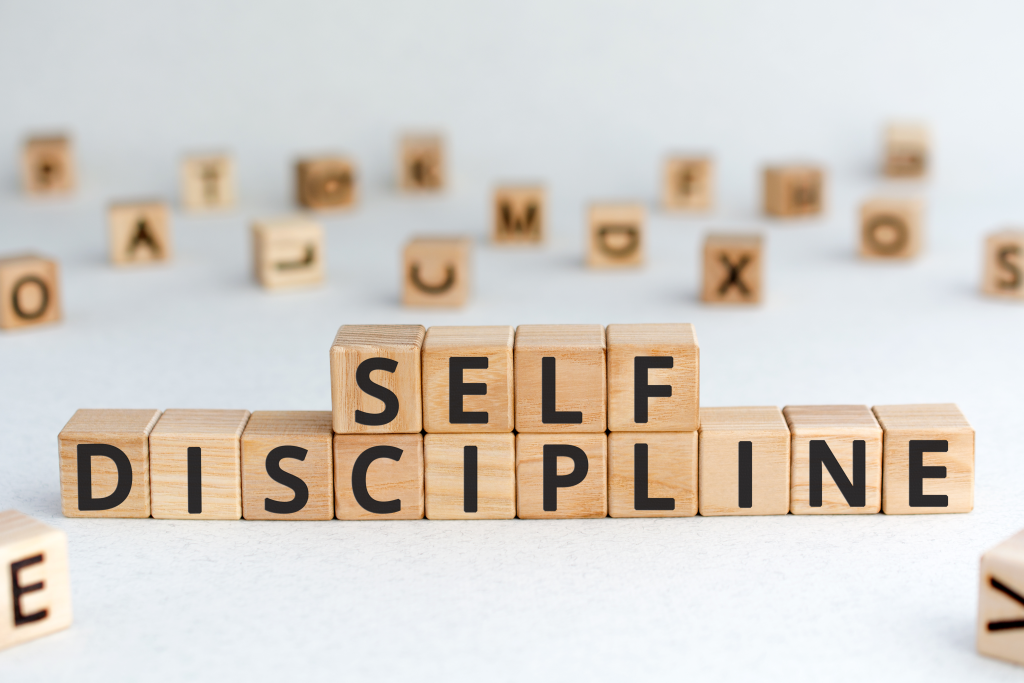
The Engine of Achievement: Why Self-Discipline is Non-Negotiable
We often mistake self-discipline for punishment, a rigid denial of pleasure that makes life harder. The truth, however, is the exact opposite: self-discipline is the highest form of self-care.
It is the ability to choose what you want most over what you want right now. While motivation is fleeting and tied to emotion, discipline is the reliable system that guarantees you show up, regardless of your mood. It’s the essential bridge between ambition and accomplishment.
To truly master this skill, we must understand its foundation. The concept of the “Five Pillars of Self-Discipline” provides a clear, actionable framework for cultivating this engine of long-term development.
The Five Pillars (A.W.H.I.P.)
The five pillars of self-discipline are: Acceptance, Willpower, Hard Work, Industry, and Persistence.
1. Acceptance: Perceiving Reality Accurately
The journey of discipline starts not with action, but with truth. Acceptance is the pillar of accurately perceiving your current reality, without excuses or denial.
- What it means: It is acknowledging your starting point, your current fitness level, your genuine financial situation, your true level of skill in a profession, without self-judgment. If you are struggling with procrastination, acceptance means recognizing, “I procrastinate,” not rationalizing, “I’m just waiting for the right moment.”
- How it fuels growth: You cannot fix a problem you refuse to admit exists. Acceptance eliminates the energy drain of self-deception and directs it toward building an effective plan. It establishes a necessary baseline for improvement.
2. Willpower: The Concentrated Burst of Force
Willpower is the mental strength required to override your impulses and initiate action. It’s the fuel injection that gets the engine running.
- What it means: Willpower is the ability to say “Engage!” when inertia dictates “Stop.” It is finite and burns out quickly, which is why it shouldn’t be relied upon for long periods. You use willpower to resist the initial temptation of hitting the snooze button or to start the first five minutes of a dreaded task.
- How it fuels growth: Willpower is critical for creating momentum. It helps you overcome the initial resistance to change, allowing you to establish a routine or habit before the task becomes easy. It’s the force required to make a conscious decision and stick to it momentarily.
3. Hard Work: Doing What Challenges You
Hard work is the commitment to engaging in tasks that push the limits of your current ability. This is where real skill acquisition happens.
- What it means: This is not simply busywork; it’s meaningful effort directed at improvement. Hard work is practicing the complex chord progression on the guitar, studying the most challenging chapter for an exam, or spending time analyzing critical market data. It is the deliberate practice that causes you to struggle, learn, and grow.
- How it fuels growth: Just as a weightlifter must lift heavier weights to build strength, you must engage in hard work to develop competence. This pillar is essential for generating breakthroughs and reaching new levels of capability that were previously inaccessible.
4. Industry: The Dedication of Time
Industry is the willingness to consistently put in the hours, even when the work is mundane, repetitive, or unglamorous. It is the daily, grinding effort that ensures coverage and completion.
- What it means: In contrast to hard work (which is about challenge), industry is about volume and consistency. It’s checking emails, maintaining your CRM, paying bills, doing laundry, or practicing basic scales. It’s the time invested in carrying out all necessary tasks, whether they are difficult or easy.
- How it fuels growth: Industry creates productive rhythms. It’s how you squeeze the most value out of your time, ensuring that the small, essential tasks that underpin your long-term goals are consistently maintained. It’s the daily maintenance that prevents slippage.
5. Persistence: Unwavering Forward Motion
Persistence is the ability to maintain action and push forward regardless of emotional state, setbacks, or temporary failures. It is the commitment to the destination, not the path.
- What it means: This is the ultimate long-term growth fuel. Persistence means continuing to market your small business after a poor sales month, revising a novel after a rejection letter, or returning to your health routine after a cheat weekend. It is the belief that success is not linear and that continued effort will eventually yield results.
- How it fuels growth: Persistence converts obstacles into data. It guarantees that you accumulate enough effort and learn enough lessons to eventually succeed. It separates those who start goals from those who finish them, turning short-term motivation into long-term destiny.
From Pillars to Progress
When applied together, these five pillars create a dynamic feedback loop:
- Acceptance shows you where you need to go.
- Willpower gives you the initial spark to start.
- Hard Work ensures you are always increasing your capabilities.
- Industry guarantees continuous, efficient effort.
- Persistence protects the entire system from failure until the goal is achieved.
Mastering self-discipline isn’t about becoming a robot; it’s about becoming the master of your own life. It gives you the freedom to pursue the goals that truly matter, building a life of intention rather than reaction.
About The Author