
The Enduring Allure of the Almost-Love: A Review of People We Meet on Vacation
⭐⭐⭐⭐ 4/5
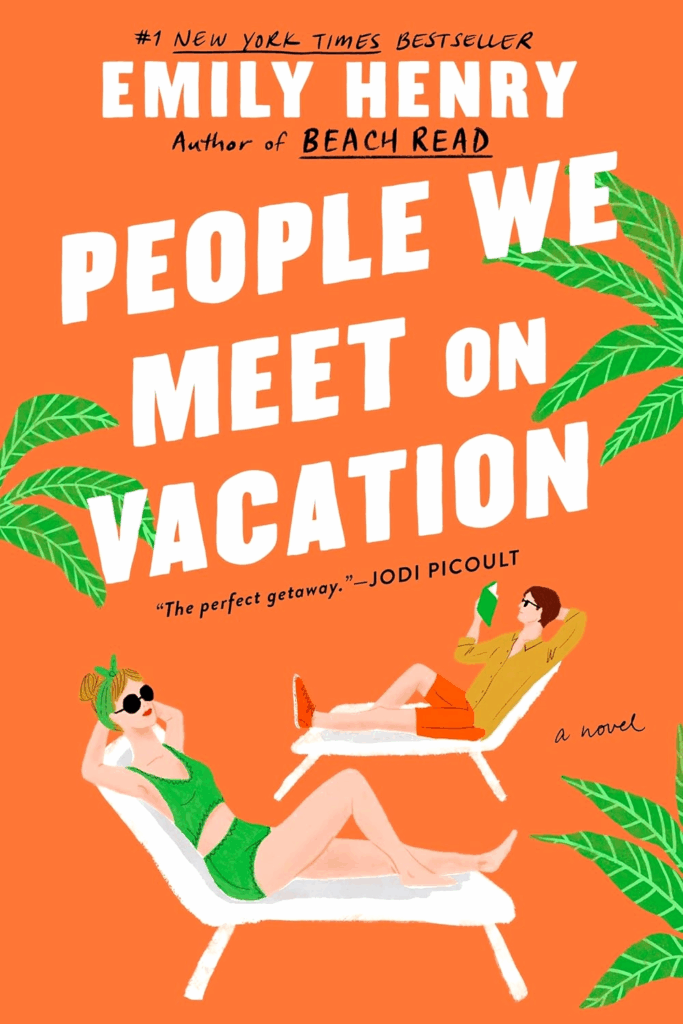
Emily Henry’s sophomore novel, People We Meet on Vacation (published as You and Me on Vacation in the UK), cemented her status as a powerhouse of contemporary romance, masterfully blending sharp wit with deep, existential melancholy. Far exceeding the typical ‘beach read’ moniker, this novel offers a poignant, structurally clever examination of enduring friendship, hidden love, and the complex journey of self-discovery. It is, at its heart, a sophisticated treatise on the fear of vulnerability and the comfort found in a shared past.
The Decade of Distraction
The story centers on Poppy Wright, a free-spirited travel writer from New York, and Alex Nilsen, a reserved, intellectual literature professor from their shared hometown of Linfield. For a decade, these two polar opposites, who met and initially disliked each other in college, have taken one week-long, extravagant summer vacation together. This annual ritual forms the foundation of their perfect friendship, one built on proximity, inside jokes, and a mutual understanding that defies logic. The narrative employs a successful dual timeline: “Then” chapters recount the highlights, mishaps, and quiet moments of their ten past trips, while the “Now” timeline follows the pair on their desperate attempt to rekindle their tradition after a mysterious, two-year falling-out.
A Clever Dual Timeline
Henry uses this structure to brilliant effect. The “Then” flashbacks are not mere nostalgic filler; they serve as slow-burn revelations, meticulously layering the unspoken affection and romantic tension that simmered beneath their platonic surface. These chapters highlight how their dynamic, Poppy’s yearning for novelty versus Alex’s grounded consistency, created a safe harbor for both of them, even as it shielded them from necessary personal growth. The brilliance lies in showing, not telling, the slow, inevitable deepening of their bond until the reader understands the gravity of the rift that separated them.
Poppy and Alex: The Masks of Vulnerability
The characters of Poppy and Alex are deeply realized, avoiding the pitfalls of romantic archetypes. Poppy’s success in her career masks a crippling insecurity and a restless pursuit of the “next best thing,” while Alex’s stoicism hides a deep-seated fear of disrupting his carefully ordered life. Their banter is electric, fast, funny, and instantly believable, but it is the moments of silence and miscommunication that provide the novel’s emotional core. The central question is not if they love each other, but whether they can overcome the fear of admitting that their greatest comfort and adventure was always each other, rather than the places they visited.
Beyond the Trope: Growth and Commitment
While the “friends-to-lovers” trope is familiar, Henry elevates it by coupling it with a strong theme of personal growth. The journey is less about falling in love and more about each character learning to be honest with themselves first. The conclusion of their final, fraught vacation—a budget trip to Croatia, is satisfyingly earned, moving beyond the simple declaration of love to a commitment to real, complex life together.
People We Meet on Vacation is a triumphant, emotionally resonant read. It is highly recommended for readers who appreciate romance novels with emotional heft, witty dialogue, and a genuine understanding of the intricate dynamics of a long-term, defining friendship. It’s a book that reminds us that sometimes, the extraordinary adventure we’ve been seeking is simply the person sitting right beside us.
About The Author