
Jane Eyre: A Fiery Spirit’s Triumph in a World of Shadows
⭐⭐⭐⭐⭐ 5/5
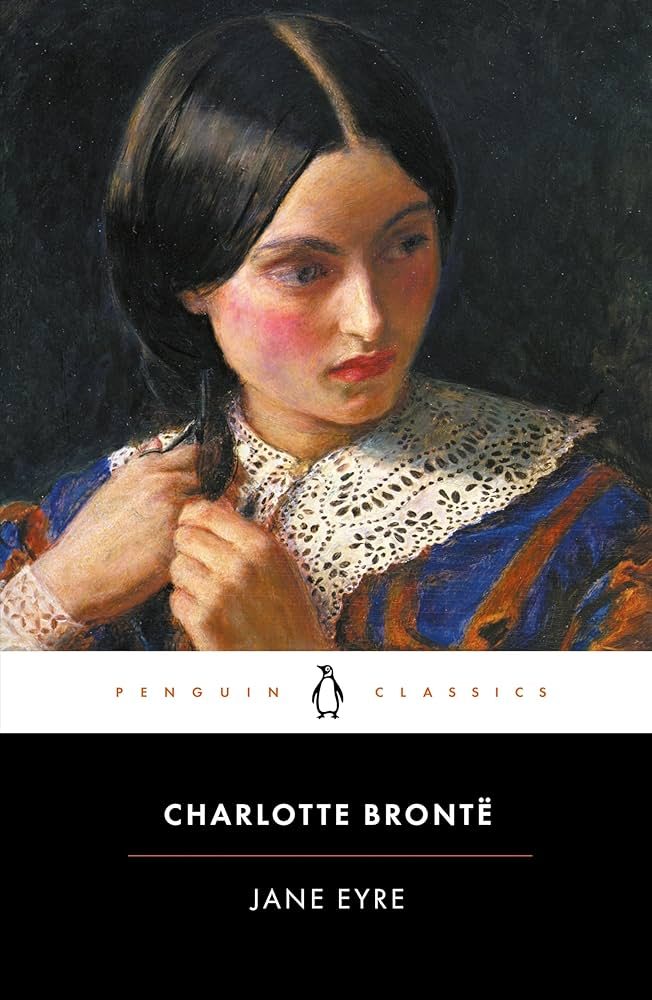
Charlotte Brontë’s “Jane Eyre” stands as a monumental achievement in English literature, a novel that transcends its Victorian origins to resonate deeply with readers across generations. Published in 1847 under the pseudonym Currer Bell, this gothic romance infused with sharp social commentary and profound psychological depth continues to captivate and provoke, cementing its place as an enduring classic.
A Protagonist Forged in Fire
At its heart, “Jane Eyre” is the quintessential bildungsroman, charting the tumultuous journey of its eponymous heroine from a neglected orphan to an independent, principled woman. Jane is not conventionally beautiful, nor is she born into privilege; instead, her strength lies in her fiercely independent spirit, unwavering moral compass, and a rich inner life. Brontë meticulously crafts Jane’s early life, from the cruelty she endures at Gateshead Hall under her aunt Mrs. Reed, to the harsh but formative experiences at Lowood School. These early trials forge her resilience and fuel her quest for autonomy and genuine human connection, making her one of literature’s most compelling and relatable protagonists.
The Haunting Romance of Thornfield Hall
The narrative truly ignites upon Jane’s arrival at Thornfield Hall, where she takes up the position of governess to the enigmatic and brooding Edward Fairfax Rochester. Their relationship, initially built on a foundation of intellectual sparring and a shared, unconventional spirit, quickly evolves into a complex and passionate love story. Rochester, with his dark secrets and tormented past, is a character as intricate as Jane herself, and their dynamic forms the emotional core of the novel. Brontë masterfully builds suspense around Thornfield’s gothic atmosphere and the mysterious occurrences that hint at hidden horrors, culminating in a revelation that shatters Jane’s world and forces her to confront profound moral dilemmas.
Themes That Endure: Independence, Morality, and Social Critique
Beyond the compelling romance and gothic intrigue, “Jane Eyre” is a powerful exploration of timeless themes. Jane’s constant struggle for independence, both financial and emotional, in a society that rigidly confines women, remains remarkably relevant. She asserts her right to thought and feeling, refusing to compromise her integrity for societal acceptance or superficial security.
The novel also delves deeply into questions of morality, justice, and the nature of true love. Jane consistently grapples with what is right, even when it demands immense personal sacrifice. Her unwavering commitment to self-respect and her refusal to be a mere possession illuminate Brontë’s critique of Victorian societal norms, class distinctions, and the hypocrisy often veiled by religious piety. Furthermore, the novel touches upon themes of social injustice, mental health (through the character of Bertha Mason), and the search for belonging.
Literary Significance and Lasting Impact
“Jane Eyre” is celebrated for its revolutionary use of the first-person narrative, offering unprecedented access to Jane’s psychological landscape. Brontë’s prose is richly descriptive, evocative, and often intensely emotional, drawing the reader into Jane’s inner world with remarkable immediacy. The novel’s blend of realism, romance, and gothic elements was groundbreaking for its time and has influenced countless authors.
Its enduring popularity stems not just from its compelling plot but from the universal questions it poses about identity, love, duty, and the human spirit’s capacity for endurance and growth. Jane Eyre is more than just a character; she is an emblem of female agency and moral fortitude, challenging conventions and inspiring readers to find their own voice and stand firm in their convictions.
Conclusion
“Jane Eyre” is an immersive and unforgettable reading experience. It is a testament to Charlotte Brontë’s genius in crafting a narrative that is at once a passionate romance, a chilling gothic tale, and a profound social commentary. For its intricate character development, compelling plot, and timeless exploration of universal human struggles, “Jane Eyre” remains a literary masterpiece. It is a book that demands to be read, reread, and reflected upon, offering new insights with every engagement. Highly recommended for anyone seeking a novel that combines emotional depth with intellectual vigor.
About The Author