
New Delhi Cautions Against ‘Double Standards’ as US Lawmakers Eye Massive Tariffs on Russian Oil Buyers
NEW DELHI, India – July 19, 2025 – India has issued a strong caution against “double standards” in international energy policy as U.S. lawmakers advance a bill that could impose duties as high as 500% on countries, including India, that continue to purchase Russian oil. The development comes amidst intensified pressure from the United States and NATO to isolate Russia economically following the ongoing conflict in Ukraine.
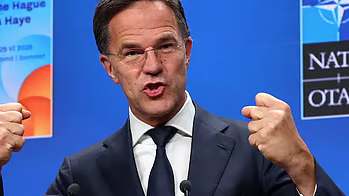
The proposed legislation, known as the “Russian Sanctions Act of 2025,” has been introduced in both the U.S. House and Senate, reportedly with bipartisan support. Section 17 of the Act specifically targets nations importing “oil, uranium, natural gas, petroleum products, or petrochemical products that originated in the Russian Federation,” threatening them with a staggering 500% ad valorem duty on all imports into the U.S. from those countries. U.S. President Donald Trump is said to be backing the bill, and has even indicated the possibility of 100% secondary tariffs on countries continuing trade in sanctioned Russian products. NATO Secretary General Mark Rutte also recently issued a stark warning to India, China, and Brazil, urging them to push Russian President Vladimir Putin towards a peace agreement within 50 days or face significant tariffs.
In response, the Indian Ministry of External Affairs (MEA) has stated that it is “closely following the developments.” MEA spokesperson Randhir Jaiswal emphasized that “securing the energy needs of our people is understandably an overriding priority for us. In this endeavour, we are guided by what is there on offer in the markets, as also by the prevailing global circumstances.” Jaiswal notably added, “We would particularly caution against any double standards on the matter,” an implicit reference to the fact that several European Union members continue to import Russian oil, LNG, and pipeline gas, and are also significant buyers of processed products that originate from Russian crude refined in countries like India.
Union Minister for Petroleum and Natural Gas, Hardeep Singh Puri, speaking at an industry event in Delhi, reiterated India’s firm stance. He stated that India is “not unduly worried” about potential U.S. sanctions and is prepared to “deal with it” if such measures are implemented. Puri highlighted India’s successful diversification of its oil import sources, now sourcing from approximately 40 countries compared to 27 previously. He underscored the strategic importance of India’s continued purchase of discounted Russian oil, arguing that it has played a crucial role in stabilizing global crude prices, which could otherwise have skyrocketed to $130-140 a barrel if Russian supply (accounting for about 10% of global production) were entirely removed from the market.
Since the escalation of the Ukraine conflict in 2022, India’s imports of Russian crude have significantly increased, rising from a mere 0.2% to nearly 36-40% of its total oil imports. This shift has allowed Indian refiners to access more affordable crude, providing economic benefits and contributing to the stability of domestic fuel prices.
External Affairs Minister S. Jaishankar had previously confirmed on July 2, during a visit to Washington D.C., that India’s “concerns” regarding the proposed bill and its “interests in energy security” had been conveyed to U.S. Senator Lindsey Graham, a key sponsor of the legislation. While Senator Graham has suggested President Trump would have the power to waive the duties for a period of six months, the overarching sentiment from New Delhi remains one of prioritizing national energy security and maintaining autonomy in its foreign policy decisions.
The ongoing discussions in the U.S. Congress, coupled with the firm response from India, underscore the delicate balance New Delhi continues to strike between its strategic partnership with the United States and its vital energy interests. The situation further complicates bilateral ties, even as both nations are reportedly nearing the completion of a ‘mini’ trade deal.
About The Author