
The Genesis of a Legend: A Review of Lee Child’s “The Enemy”
Introduction: Reacher’s Crucible
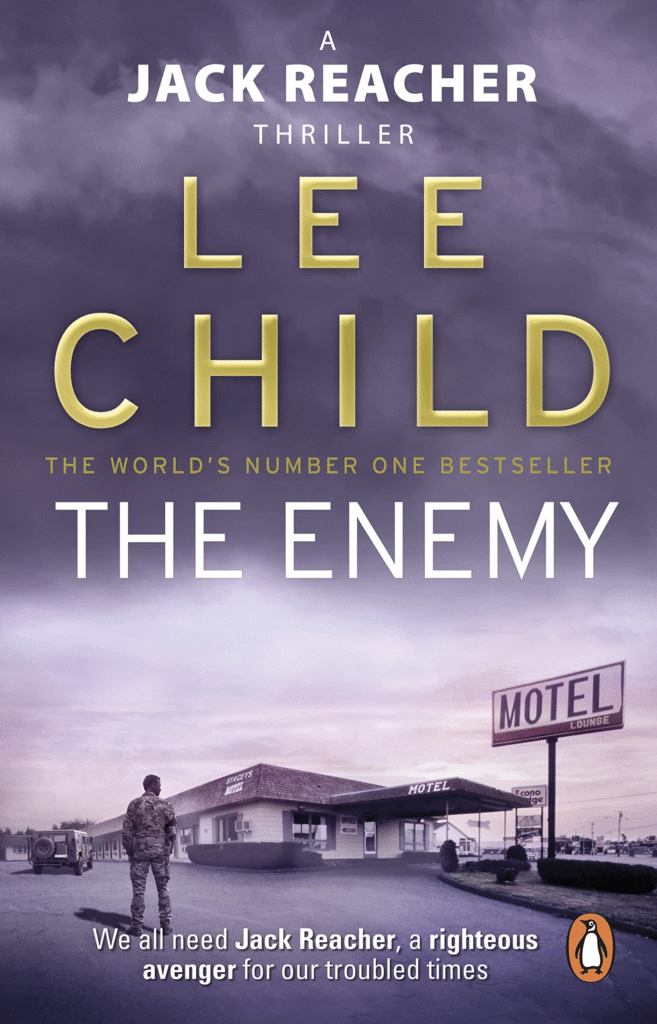
In Lee Child’s “The Enemy,” Jack Reacher’s past, present, and burgeoning future collide in a gripping pre-9/11 thriller that serves as both a compelling standalone narrative and a pivotal origin story for the iconic character. Set in 1990, just as the Cold War is winding down, the novel plunges Reacher, then a decorated military policeman, into a conspiracy that exposes the dark underbelly of power, loyalty, and betrayal within the very institutions he serves.
Unraveling a Conspiracy: The Plot Unfolds
The narrative kicks off with the brutal murder of a two-star general in a North Carolina motel, an event seemingly unconnected to anything beyond a tragic accident. However, Reacher’s keen eye and unwavering sense of justice quickly detect the discrepancies, drawing him into an investigation that spirals through layers of deception. As he uncovers more bodies and more questions, Reacher finds himself pitted not only against external enemies but also against the internal machinations of the military itself, where truth is often sacrificed for political expediency.
The Birth of an Icon: Reacher’s Formative Years
What sets “The Enemy” apart from other Reacher novels is its deep dive into his formative years as a military investigator. We witness the nascent stages of his unique brand of justice – his reliance on instinct, his meticulous attention to detail, and his unwavering commitment to doing what is right, even when it means bucking the system. The book highlights the subtle tension between military discipline and Reacher’s inherent individualism, a conflict that ultimately foreshadows his later decision to shed the uniform and embrace a life of nomadic independence.
The Nature of Antagonism: Beyond Stock Villains
The antagonists in “The Enemy” are not merely stock villains; they are products of a complex system, individuals driven by ambition, fear, and a twisted sense of patriotism. Child masterfully crafts a scenario where the line between hero and villain blurs, forcing Reacher to confront the uncomfortable reality that evil can lurk within the most respected institutions. The plot’s intricate web of corruption, involving everything from clandestine arms deals to high-level cover-ups, keeps the reader on edge, constantly questioning who can be trusted.
Themes of Loyalty and Sacrifice
Beyond the thrilling plot, “The Enemy” also offers a poignant exploration of themes such as loyalty, duty, and sacrifice. Reacher’s interactions with his fellow officers, particularly the enigmatic Major Duncan, reveal the complex bonds forged in military service and the devastating consequences when those bonds are broken. The novel subtly touches upon the human cost of conflict, both on the battlefield and in the shadowy world of intelligence, laying bare the moral compromises that individuals are forced to make in the pursuit of power.
Conclusion: A Foundational Thriller
In conclusion, “The Enemy” is more than just a suspenseful thriller; it is a foundational text in the Reacher canon. It provides crucial insights into the making of the man who would become one of literature’s most enduring heroes, showcasing his intellectual prowess, physical capabilities, and unwavering moral compass. Through its exploration of betrayal, justice, and the inherent flaws of powerful institutions, Lee Child delivers a powerful and thought-provoking narrative that resonates long after the final page is turned, cementing “The Enemy” as a must-read for any fan of the Jack Reacher series.
About The Author