Trump’s iPhone Tariff Threat: A Deep Dive into US Manufacturing Demands
In the dynamic landscape of global trade and manufacturing, President Donald Trump’s recent declaration regarding tariffs on iPhones not produced in the United States has sent ripples through corporate boardrooms and economic think tanks alike. This bold pronouncement, threatening a 25% tariff on iPhones sold in the U.S. unless they are manufactured domestically, is a clear directive to tech giant Apple, urging a significant shift in its global supply chain, particularly from countries like India. This essay will explore the implications of this threat, its potential impact on Apple, the global economy, and the broader implications for trade policy.
“America First” and the Tariff Imperative
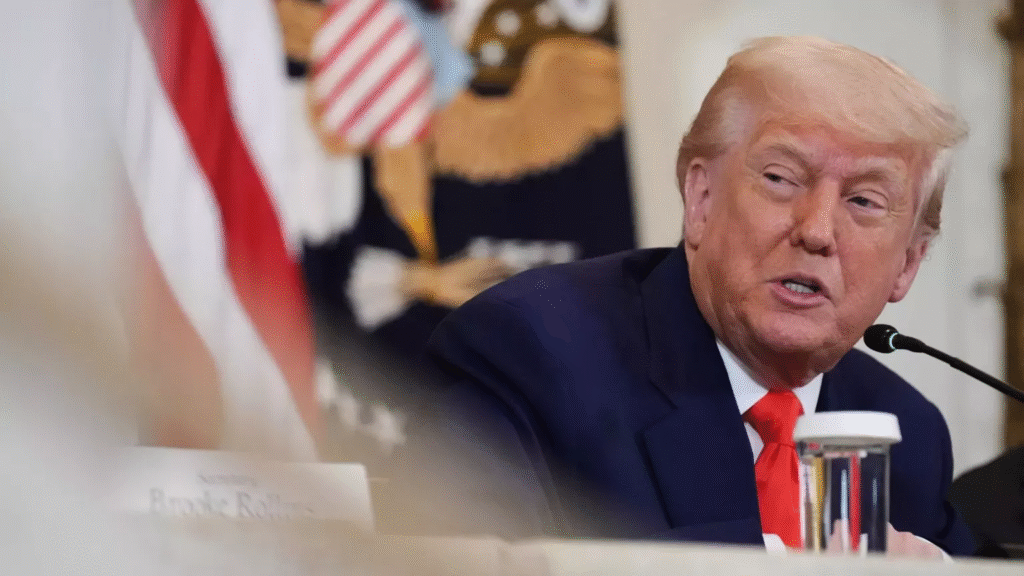
At its core, President Trump’s threat is a continuation of his “America First” economic agenda, aiming to incentivize domestic manufacturing, create jobs within the United States, and reduce the trade deficit. By targeting Apple, a company synonymous with global production and intricate supply chains spanning numerous countries, the administration seeks to make a high-profile example. The 25% tariff is a substantial punitive measure, designed to make importing foreign-made iPhones economically unviable, thereby forcing Apple’s hand towards U.S. production. This move is seen as a strategic lever to bring high-tech manufacturing back to American shores.
Apple’s Dilemma: Navigating Global Supply Chains
For Apple, the ramifications are multifaceted and complex. The company has meticulously built a global manufacturing network over decades, optimizing for efficiency, cost-effectiveness, and access to skilled labor. Shifting a significant portion of iPhone production to the U.S. would involve monumental logistical challenges, including identifying suitable factory locations, investing billions in new infrastructure, and potentially facing higher labor costs. While a move to U.S. manufacturing might be seen as a patriotic gesture, it could lead to increased production expenses, which would likely translate to higher retail prices for consumers or reduced profit margins for Apple. Furthermore, such a dramatic shift could disrupt existing relationships with long-standing suppliers and partners in countries like India, where Apple has been steadily increasing its manufacturing footprint, impacting job creation and investment there.
Global Economic Ripple Effects and Protectionism
Beyond Apple, the ripple effects of such a policy would be felt across the global economy. Countries like India, which have actively sought to attract major manufacturers like Apple as part of their “Make in India” initiatives, could see their ambitions curtailed. This could lead to job losses and economic stagnation in regions heavily reliant on electronics manufacturing. Moreover, if the U.S. successfully imposes such tariffs on Apple, it could set a precedent for other industries and other nations, potentially leading to a fragmentation of global supply chains and a retreat from the integrated economic model that has characterized the past few decades. This could usher in an era of increased protectionism, hindering free trade and global economic growth and potentially leading to trade wars.
Trade Policy and Government Intervention
From a trade policy perspective, this threat highlights the ongoing tension between national economic interests and the principles of free trade. While proponents argue that such tariffs protect domestic industries and jobs, critics contend that they lead to higher consumer prices, retaliatory tariffs from other countries, and ultimately a less efficient global economy. The reliance on tariffs as a tool to dictate corporate manufacturing decisions also raises questions about the extent of government intervention in the private sector and the potential for market distortions. This aggressive stance could redefine the dynamics of international trade agreements and negotiations.
Conclusion: An Uncertain Future for Global Manufacturing
In conclusion, President Trump’s threat of a 25% tariff on non-domestically manufactured iPhones represents a significant challenge to Apple’s established global strategy and a potential turning point in international trade relations. While it underscores a strong desire to bolster U.S. manufacturing and job creation, its implementation could lead to increased costs for consumers, disruptions in global supply chains, and a more fragmented international economic landscape. The coming months will undoubtedly reveal how Apple navigates this pressure and whether this assertive trade policy sets a new global precedent for manufacturing and trade.
About The Author