
US Doubles Bounty on Nicolás Maduro Amid Narcoterrorism Charges
Washington D.C. – The Trump administration has dramatically escalated its pressure on Venezuela’s President Nicolás Maduro, announcing a doubling of the reward for information leading to his arrest to an unprecedented $50 million. This comes as Maduro continues to face federal charges of narcoterrorism and conspiracy to import cocaine, initially levied against him in March 2020. The move signals a renewed focus by the United States on the alleged criminal activities of the Venezuelan leader and his inner circle.
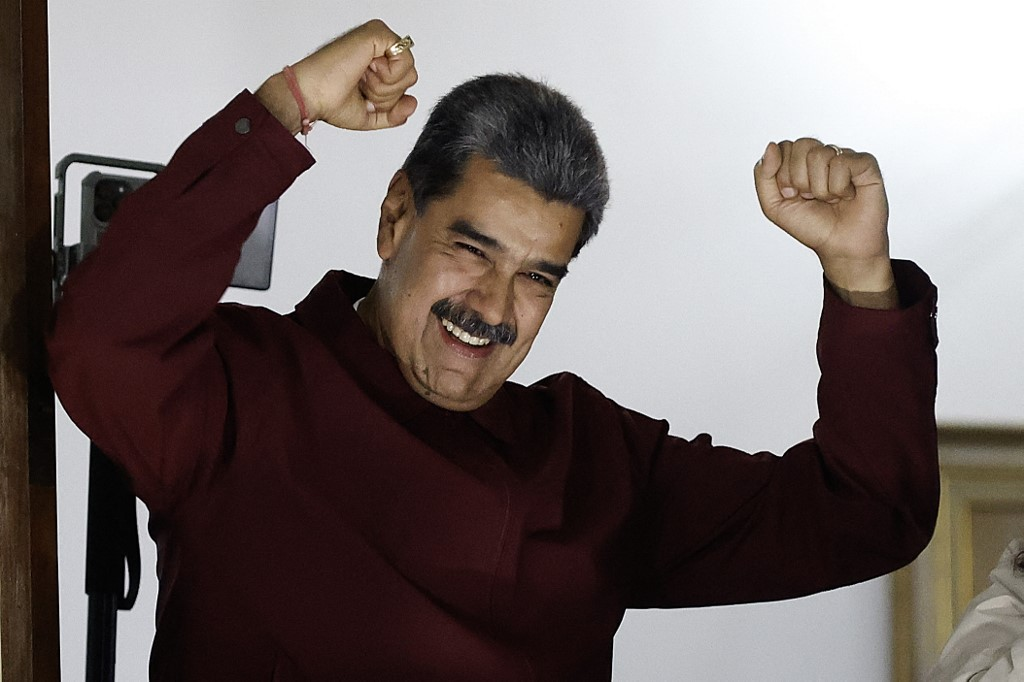
The Indictment and Allegations
Nicolás Maduro was first indicted in a Manhattan federal court in March 2020, accused of leading a “Cartel of the Suns,” a purported drug-trafficking organization composed of high-ranking Venezuelan officials. The charges include narco-terrorism, conspiracy to import cocaine into the United States, and weapons-related offenses. U.S. Attorney General Pam Bondi, in announcing the increased bounty, alleged that Maduro utilizes foreign terrorist organizations and violent street gangs, including Tren de Aragua, Sinaloa Cartel, and the Cartel of the Suns, to facilitate the flow of deadly drugs, particularly fentanyl-laced cocaine, into the U.S.
The U.S. Drug Enforcement Administration (DEA) claims to have seized 30 tons of cocaine linked to Maduro’s network, with nearly seven tons reportedly tied directly to Maduro himself. Beyond narcotics, the Justice Department has also seized over $700 million in assets connected to Maduro, including private jets and vehicles.
Escalating Rewards and International Stance
The initial bounty offered for Maduro’s capture by the Trump administration in 2020 was $15 million. This was subsequently raised to $25 million under the Biden administration. The latest increase to $50 million under the current Trump administration underscores the U.S.’s intensified commitment to bringing Maduro to justice. This reward now stands as one of the largest bounties ever placed on a sitting head of state by the United States.
U.S. Secretary of State Marco Rubio reiterated the long-standing U.S. position that Maduro is not the legitimate president of Venezuela, citing what Washington and numerous international bodies have condemned as “sham” elections, including his re-election in 2024.
Venezuela’s Defiant Response and Political Landscape
Despite the U.S. indictments and mounting international pressure, Nicolás Maduro remains in power, having been sworn in for a third term as president. Venezuelan Foreign Minister Yvan Gil has vehemently dismissed the increased bounty as a “ridiculous smokescreen” and “crude political propaganda operation,” aimed at distracting from internal U.S. issues.
The charges and the escalating bounty come amidst a prolonged period of political and economic crisis in Venezuela. The U.S. has imposed a wide array of sanctions on Maduro’s government and individuals associated with his administration since 2005, targeting the petroleum, gold, mining, and banking industries. While some sanctions have seen temporary relief to incentivize democratic reforms, they have largely been reimposed due to concerns over the fairness of Venezuelan elections and a perceived lack of democratic progress.
The situation continues to highlight the deep diplomatic chasm between the United States and Venezuela, with no immediate resolution in sight as both sides remain entrenched in their positions.
About The Author